Welcome back to Scary Silents! Even though this series is relatively new, I’m already changing things up a tad, so I hope none of y’all mind. Yes, this is still a silent film I’m discussing, but it isn’t from the sanctioned “silent film era” (hence the reason I also cross-posted it in my “Creepy Scenes” category). It’s a notorious experimental film from 1991 called Begotten, directed by Edmund Elias Merhige, who was also responsible for the fantastic film Shadow of the Vampire (which of course focused on the making of F. W. Murnau’s Nosferatu). I became intrigued with Begotten because of its persistent appearance on pretty much every “Most Disturbing Films EVAR” list circulating on the internet, so being something of a masochist, I decided to check it out and write down my thoughts for posterity. If you would like to follow along, here is the linky-poo:
The first thing I gotta say is that this certainly does look like a legitimate silent film from the era. It’s filmed in very stark black and white, and the film stock is all grotty and the camera work shaky, so kudos for realism. There is also no sound other than the constant drone of crickets, and the occasional grunt. The first shot is a shack in the woods, and already I’m digging the whole look of the thing; it really conveys that creepy, otherworldly feel I look for in my old silent films. I have a creeping suspicion that the entire production is going to be intensely arty-farty, but I don’t have a huge problem with either arts or farts, so it’s all good.
Inside the shack is a man in an eerie Leatherfacey mask and a white robe. He has blood all down his front and he’s coughing up even more of the stuff as he shakes and twitches, so I’m guessing it isn’t really his day. From the Wikipedia entry, I’m led to understand that this is supposed to be God™, so I’m rolling with it and calling him that. He produces a straight razor and begins to disembowel himself, pretty enthusiastically, I thought. He’s pulling viscera out from between his ribs and just merrily hacking away, chucking organs on the floor all willy nilly and wiping blood on the walls, because fuck it, he’s God™ and he knows he’s not the one who’s gonna have to clean up the place. That’s what worshippers are for. And just as a final dick move, he poops himself a lot (I think; since the movie’s in black and white, poop and goopy organs look the same) and lets it splooge all over his feet and everything. OH MY GOD, GOD™, GET A DIAPER.
I have no bowel control and I must scream.
Then, from out of the mess of fabric and innards and fecal matter, a woman’s arm emerges, and the rest of the woman invariably follows. This is Mother Earth, and she’s wearing a black mask over her eyes like it’s Mardi Gras all up in here, and she can’t seem to keep her hands off her perky ta-tas. She wanders around for a bit, her head thrown back. Then, because why not, she begins giving DeadGod™ a handie. He jizzes on her tummy and she rubs it in like Oil of Olay, because the protein in semen is like REALLY good for stretch marks (claim not evaluated by the FDA). She then smooshes her man-battered hand into her impressively furry bush, making sure it gets alllllll up in there so that she may preggify her bad self with DeadGod’s™ SuperSperm™. Is anyone reminded here of The World According to Garp? Just me? Okay, moving on.
We next see a black coffin appearing at various points in an empty field, and then Mother Earth is standing next to the coffin, rubbing her preggo belly. There are some quickly-edited shots of what looks like blood on skin, and I think I saw a fetus hand in there, and then suddenly there’s a fully-grown man lying all bloody on the ground, and what looks like a janky umbilical cord connecting him to Mother Earth. She wanders off and leaves him there, all WELL, YOU’RE ALL GROWN UP NOW SO GO GET A JOB, and he’s all twitching and hyperventilating and looking like a victim of the Mount Vesuvius eruption, and I wonder if he’s gonna have abandonment issues from here on out. WTF MOM, NOT EVEN ONE SIP OF BREAST MILK? Mother Earth is super harsh, you guys.
Well, my work here is done.
Game of peek-a-boo? Bedtime story? Anything?
And then there are a bunch of hooded men shown in shadow, and I guess they’re nomads because they look like they’re all laden down with merchandise from Pier One, and they come across the Son of God, and they’re all like HEY, FREE NAKED DUDE while he writhes around. They scoop him up and tie him with ropes (or maybe this is the umbilical cord, hard to tell) and bring him along on their nomadery, because maybe they’re bored out there wandering in the barren landscape or maybe they’re gonna eat him later, who knows. Son of God (henceforth SOG) doesn’t appear to be having too fun a time, convulsing his limbs and struggling and being all WHERE ARE YOU GUYS TAKING ME, SHIT’S NOT FUNNY ANYMORE and the nomads just drag him around like it ain’t no thang. SOG begins vomiting up organs or something, and the nomads are all FUCK YEAH and start collecting the stuff in their bags, and then, because they apparently can’t wait until he yaks up some more of his insides, they start pulling the goo right out of his midsection while he’s going SO I GUESS YOU GUYS AREN’T GONNA HELP ME THEN and they’re like NOPE, JUST GONNA SWIPE ALL YOUR INNARDS AND THEN PUT YOU IN A SLING AND DRAG YOU UP A CLIFF. THAT’S HOW WE ROLL.
Pictured: Traumatic childhood.
They make a fire and drag him to it, because presumably this is like The Hills Have Eyes and they’re all cannibals too, because they really needed that last little push to cement their dickery. They stab the shit out of him while he writhes and vomits, and the nomads aren’t even fazed, man, they’re like WHATEVER, VOMIT JUST TENDERIZES THE MEAT and then they drag him around some more while a bunch of his meaty bits hang out his mouth, while the sun glares down, impassive.
Then he’s lying on the ground alone, still twitching but now all clean again, so I guess they didn’t barbecue him after all, and Mother Earth comes back and puts a collar on him and starts dragging him around too, because nothing like rubbing salt into the wound, right, MOM? SOG really hasn’t had the most pleasant introduction to the world, in case you hadn’t noticed.
The nomads, apparently peeved that someone made off with their toy, begin following, gesturing at her like GET THAT UPPITY WOMAN WHO TOOK OUR FREE NAKED MAN, BUT FIRST LET’S BASH THE MAN’S HEAD IN WITH A STICK WHEEEEE and then it looks like they punch him in the dick too, and then maybe pull it off, but the way the film is shot it’s kinda hard to tell. Sounds like something they would do, though. Fuckin’ nomads.
Hi, we represent humanity, and we’re just the worst.
Then they gang rape Mother Earth, because of course they do, all the while beating on her with their sticks and just tearing her all up and jizzing on her by the gallon. This bit was actually kind of upsetting to watch; even though it’s not particularly gory because of the black and white and because it’s so shaky and grainy that it’s hard to tell exactly what’s happening, in a way that makes it worse because you can see enough of what’s going on to imagine the rest. The flashes of them just pounding the shit out of her labia with their big mace-like staffs (not a euphemism) especially had me going:
Then Mother Earth is lying there, and SOG is kneeling between her legs, so I guess he’s still alive despite the head-bashing, and I’m thinking OH, ARE YOU GONNA RAPE HER TOO? MIGHT AS WELL, EVERYONE ELSE HAD A GO, FUCKING HELL, but I guess he’s just mourning or something. Two nomads come and drag Mother Earth away from him while he’s all WHYYYYYYY.
Therapy. He’ll need some.
And then it looks like they’re nailing her to a rock face while feeling her up some more because they’re just shameless, these nomads. Then they cut her into pieces, so that’s nice. They put the pieces into a big barrel that they’ve evidently brought along for that very purpose, so it’s good to know they were planning ahead, and at least had the wherewithal to stop by Home Depot on the way to the dismembering.
Then there’s a sunrise, and we see SOG still crawling around like a worm in the dirt, and because the nomads are nothing if not thorough, they scoop up SOG again, put him in a sack, and beat the stuffing out of him with a huge clown hammer and poke at him with sticks. It starts to rain, and there’s some waterfall action going on, then the nomads are stabbing and punching all the guts into the ground, because FUCK THOSE GUTS, and I mean, really, this all seems a bit like overkill at this point. Then I guess they’re planting the guts, and the next scene is of plants and flowers blooming. So everything worked out okay in the end, and only three beings had to be raped and eviscerated, but they’re like not even people, they’re just like representations, man, so no big. Circle of life, folks, nothing to see here. Good times.
So what was my final impression? The film is certainly nightmarish, that’s for sure, and seems to spring from some dark, primitive place of savagery miles removed from most people’s day-to-day lives. As a metaphor, it’s pretty brilliant, examining as it does the tortures that the earth and our gods go through to satisfy our human whims (or at least that’s what I understood the film to mean). I didn’t find the film particularly hard to watch, other than the rape scene (because rape scenes always give me the squicks), but that’s mostly because the shots were deliberately grainy and obscured, leaving most of the violence to the imagination. I think the horror comes more from the idea of what’s going on, rather than what the viewer can actually see. It was a strange experience for sure, and the imagery was rather haunting. I might actually give it another watch when I’m not distracted by office noises and having to stop it every few minutes to write this silly crap about it. Heh.
Please stay tuned for more Scary Silents! I will probably go back to the more traditional silent films for the next installment, but I wanted to do this one as an experiment because it was so highly recommended. Keep creepy, my friends, and until next time, Goddess out.
Welcome back to “Scary Silents!” Our film today is a classic one, the 1924 Austrian film The Hands of Orlac, directed by Robert Wiene, starring Conrad Veidt (who also starred in The Cabinet of Dr. Caligari and The Man Who Laughs, incidentally), and based on a book by Maurice Renard. Not only is it wonderful and properly eerie, but the fact that it’s Austrian means I get to put umlauts on just EVERYTHING. Onwärd. (Sëe? It’s fün!)
Orlac was probably the first horror film to use the now well-worn trope of the “rogue transplanted body part,” seen in later films like The Hand (1981), The Eye (2002), Idle Hands (1999), and that watershed of horror cinema, Killer Tongue (1996). The basic plot revolves around world-renowned pianist Paul Orlac, who loses his hands in an accident because fate has a cruel sense of irony, then gets a set of transplanted hands from an executed murderer and begins to misbehave in spectacular ways as the hands’ murderous impulses take over his presumably perfectly good sense. As always, if you’d like to watch along with the Goddess, I got your link right hëre:
In the opener, we see Orlac’s wife Yvonne reading a letter from her beloved. He will be returning from his final concert the following evening, and she is super jazzed about him and his skillful pianist’s fingers returning to her side IFYOUKNOWWHATIMEAN. In the next scene, she’s getting ready to go pick him up at the train station, all twitterpated. She even takes some flowers for him, because these two like to keep romance alive, yo. But when she gets to the train station, everyone is milling around and freaking out, and she hears the words “accident” and the name of a town where the train derailed, so she runs right out to her driver and demands that he take her there. And I gotta say, I immediately really like Yvonne. When the car pulls up next to the horrible train accident, she leaps right out and climbs onto the train wreck, taking no heed of her own safety or her eighty layers of clothing, and starts looking for her husband. She’s a firecracker, that one. She finds Orlac and he’s alive! ALIVE! She gets some guys to help put him on a stretcher and take him to their car and drive him to the hospital, because I guess ambulances weren’t a thing in 1924.
In the next scene, we see her talking to the döctor, who tells her that Orlac’s skull is kinda jacked, but that it can probably be fixed with some gumption and copious amounts of duct tape. Bigger problem, though: You know those fingery things he had at the end of his arms? The things he played piano with and made all the money? Yeah, he kind of doesn’t have those anymore. Yvonne goes into full drama queen mode, swooning around and begging PLEASE SAVE HIS HANDS, HIS HANDS ARE HIS LIIIIIIIIIIFE and the doctor’s like, DAMMIT, JIM, I’M A DOCTOR, NOT A…OH, WAIT, THAT’S RIGHT, I’M A DOCTOR, I’LL SEE WHAT I CAN DO. His subsequent “meh” shrug doesn’t inspire much confidence, though, to be honest.
As Yvonne carries on with her theatrics, the döctor glances out the window and sees the body of executed murderer Vasseur fortuitously being unloaded from a carriage in the street below. You can almost see the wheels turning in his lumpy Austrian head: AHA! I HAVE ONE PATIENT WITH ZERO HANDS, AND THERE’S A DEAD GUY WHO WAS A MURDERER, SO PRESUMABLY HAD TWO HANDS, BECAUSE IF HE DIDN’T HAVE HANDS THEN WHAT DID HE DO THE MURDERING WITH? HIS FEET? HIS ELBOW? I MEAN, I GUESS THAT’S POSSIBLE, BUT IT WOULD JUST BE WEIRD. HAHA, KILLER ELBOW. ANYWAY. So he does the math (1 murderer {2 unused hands} – 1 pianist {0 hands} = 1 pianist {2 useful hands, yay}) and sets to wörk!
In the next scene, we see the döctors pulling off Orlac’s mummy wrappings like it’s Christmas morning, and Yvonne comes in to see her patched-up hubby and everything is just gonna be sunshine and roses from here on out, right? I mean, Orlac has murder-hands dangling from two of his limbs and all, but I don’t see how that could possibly go awry in any way. It’s a miracle of mödern science, is what it is. Yvonne and Orlac make gooey eyes at each other, and for a second I thought Yvonne was just gonna jump right onto the hospital bed and start riding him like a carousel horse, but then she starts cooing about his “tender, beautiful hands,” which at this point are still bandaged up. While she is otherwise occupied with the hand appreciation, Orlac happens to glance up and past her, and HOLY FUCK THERE IS A SCARY DISEMBODIED HEAD FLOATING UP NEAR THE CEILING.
‘SUP, PIANO MAN.
The head is smirking, and rather than simply wetting his jammies in terror like a normal person, Orlac has the wherewithal to realize that the head is specifically smirking at his brand new, factory-wrapped hands. He tells Yvonne and she turns to look, but of course the head has disappeared, so she just stares at him like he’s high.
The next day, Orlac is out on the balcony cönvalescing, holding his hands stiffly out before him like the first coming of Boris Karloff, and you can tell he hasn’t really gotten over the smirking floating head incident, because he’s asking the doctors WTF IS GOING ON UNDER THESE BANDAGES, YOU QUACKS and they’re like YOU’RE TRIPPING, LOOK, IMMA TAKE OFF THE BANDAGES AND YOU’LL SEE WHAT A SILLY PERSON YOU’RE BEING and they snip off the wrappings all professional-like and DUN DUN DUUUU – well, not really, there are just two ordinary looking hands under there. I’m not sure what Orlac was expecting, maybe that they were gonna be covered with fur or tipped with claws, or maybe he was just looking for warts or liver spots or something, but he’s giving the hands some major side-eye and asking the döctors whether he’ll be able to play the piano with these creepy things, and they say, sure, with perseverance one can overcome anything, even having murder-meat at the end of your wrists, and some other motivational horseshit. They leave, and Orlac stares at the hands so hard and for so long that I thought he was trying to set them on fire with his mind.
That night, his last one in the hospital before he gets to go home, Orlac has a dream wherein the floating head, now grown to wrecking-ball size, floats and looks pissed off above Orlac’s bed. Then we see a disembodied fist that descends toward the teeny little Orlac, and this is actually a pretty effective image.
GHOST FISTS WERE FAST AS LIGHTNING.
Orlac wakes up and looks wildly around his expressionist hospital room, but nothing is there, so he lies back, relieved. But then he’s all HEY, WHAT’S THIS THING IN MY LAP, I DON’T REMEMBER MAKING A GROCERY LIST BEFORE I FELL ASLEEP, but turns out it’s a note from someone-or-other informing him that his fresh new hands belonged to a murderer. I was under the impression he already knew that, but I guess Orlac thought the doctors had popped his own hands back on him like fleshy Duplo blocks. No wonder he was so put out by the floating head. Orlac flips the fuck out and gets out of bed, trying to hold the hands as far away from himself as possible, and then he passes out. Man, everyone in these movies makes such a federal case out of everything. LOOK, YOU JUST HAVE SENTIENT KILLER-HANDS, GUY, SOME OF US HAVE REAL PROBLEMS.
got a booger on my finger and i can’t get it off.
In the next scene, Orlac wanders stiffly into the döctor’s office and walks right past his desk like a weirdo, holding his hands rigid as though they’re covered in snot, and then he just stands there and stares with his sunken eyes, all IS IT TRUE, DO I HAVE MURDER-HANDS and the doc’s like YEAH, BUT DON’T THANK ME FOR SUCCESSFULLY REATTACHING SOME VERY DELICATE LIMBS OR ANYTHING, and then Orlac just stares and silently freaks out, veins threatening to burst out his forehead.
HNNNNNNNGGGGGGGG
Meanwhile, Yvonne is preparing for Orlac’s return home, and has flowers for days. She can hardly wait the thirty minutes it will take before he arrives. SHE JUST CAN’T WAIT TO GET HER HANDS ON THOSE HANDS. Oh, and probably his other parts too, which are presumably not murderous. I hear his spleen is a bit of a bastard, though.
Angsty Orlac decides that his iniquitous appendages will not be allowed to touch another person, which will likely make Yvonne’s vagina reassess its life situation. I’m sort of digging the idea of everyone’s body parts in this movie having their own separate desires and motivations, so I’m just gonna pretend that’s what’s going on. Orlac tries to put his wedding ring on his new hand, but it doesn’t fit, because aside from being a murdering scumbag, Vasseur evidenly also suffered from fingular gigantism. This scene actually kind of gave me the sads for some reason. Orlac slips the ring in his pocket and heads dejectedly home to greet his wife. She gives him a flower, but he just stands there staring with his hands by his sides, and he won’t even hug her or anything, and she’s a bit put out, understandably. Her vagina begins to whisper to her that perhaps they should start considering other options.
In the next scene, Orlac slooooooowly approaches his piano and begins to play, as his wife watches stealthily from the doorway. There isn’t any dialogue, but it looks like it’s not going too well, because Orlac slumps back and puts the cover back down over the keys. His wife creeps up from behind and embraces him, telling him she loves him, because Yvonne is just a sweetheart, yes she is. Orlac kinda reaches for her, clearly wanting to embrace her in return, but he holds back, not wanting to touch her with Vasseur’s icky murder-tainted hands. She hugs and kisses the hell out of him anyway, and it’s all very tragic. Seriously, it is a pretty affecting scene, because how weird would it be to be doing stuff you used to do with hands that hadn’t previously belonged to you? That’s some straight up body dysmorphia shit right there.
MUST…NOT…CRUSH…WIFE’S…HEAD…
Then, a shifty-looking Orlac stops by a newspaper shop and asks the clerk if she got him the paper from January 15th. She’s all FUCK YEAH I HOOKED YOU UP and he passes her the money like he’s scoring PCP. Then he goes to a dark-as-hell café and sits down to read it. The article he’s interested in, obviously, is about Vasseur being taken to court, and relevant information includes the fact that Vasseur pleaded not guilty, but that his FINGERPRINTS (*dramatic gopher*) were all over just everything, including the body, the walls, the kitty, the toilet seat, a half-eaten Reuben in the fridge, and the vaulted ceilings, somehow. More significantly, the “treacherous” prints decorated the murder weapon, a knife with an X on the handle, and thus was Vasseur sent to his fate. Orlac rides a major bummer about this, and then has a vision of a hand stabbing a dude in the heart while the confused café owner gives him the stinkeye, probably wondering if he’s got a potential dine and dash on his hands. (Pun intended and immediately apologized for.)
Orlac skulks home, but when he gets there, he sees an X-handled knife stuck in the door. He reaches for it and I thought it was gonna disappear, but nope, he snatches it right up, which leads me to believe that someone is fucking with him at this point. Maybe Yvonne isn’t quite as awesome as I imagined her to be and is trying to drive her husband batshit so she can have him committed and take all his dough. DAMN THOSE SILENT FILM FEMME FATALES. Orlac hides the knife inside the piano and goes through another CURSE YOU HANDS tirade.
The next scene shows a distraught Yvonne in her nightie, writing a letter that’s making me go WHUT because it’s saying stuff like I DON’T WANT TO OBEY YOU and DON’T COME AGAIN and YOU CAN KILL ME BUT I’M NOT DOING YOUR TERRIBLE SHIT ANYMORE and stuff like that. So maybe someone ELSE is fucking with Orlac and forcing Yvonne to be complicit? I’m sorry I doubted you, Yvonne. You’re clearly just a cog in the man’s machine, girl.
Next, Orlac is lurking around his house again with his hands outstretched like a freak, and really he should quit doing that because it’s not helping matters. The hands make him retrieve the knife out of the piano. Yvonne hears Herr CrazyHands messing about and goes into the music room to find him thrusting the knife at thin air. You know, for practice. She’s all WTF, YOU’VE CHANGED, MAN and he’s all GET OUTTA HERE ‘FORE THESE HANDS THROW DOWN ON YOU KNIFE-STYLE and she flees the room and descends into her patented histrionics. Then Orlac tries to stab his own hand, but the other hand is like NOPE, WE A TEAM, SON and makes him drop the knife. Orlac collapses, again, because he just can’t even.
Then we see the maid having a complete nervous breakdown as a man in a black cloak and hat approaches her in the house. She tells him the same stuff that was in the letter, that she wasn’t going to obey him anymore, and wait a minute, was that her or Yvonne writing that letter a couple scenes back? The two women look sort of similar, especially with all that thick 1920s silent-movie eye makeup. I guess I’ll figure it out at some point. The man gets all up on her threatening-like and we finally see his face, and I think it’s the same guy whose head was whizzing around Orlac’s hospital room, who I had thought was supposed to be Vasseur’s ghost, but I guess not…? Is Vasseur alive but just lay there playing possum while the döctors lopped his hands off? WHAT NEFARIOUS PLOT IS THIS?!? Creepy Maybe-Vasseur is all IMMA CALL HIS DAD IF YOU WON’T TALK HIM INTO THIS SHIT and the maid is all NOOOO DON’T WANNA and then Maybe-Vasseur tells her to “seduce his hands” (um, okay, I guess some people are into that) and the maid slouches off a little way before turning back to him and going DO I GOTTA and he’s all YUP, and then the maid comes into Orlac’s music room, where Orlac is moping on the couch in his usual state of existential misery. SO HEY, THOSE ARE SOME SEXY-ASS HANDS YOU GOT THERE and Orlac’s all THE HELL YOU DOING WOMAN but then he reaches for her and puts his hands on her head, one on top of the other, and even though he’s not really moving them I guess he’s like massaging her head to death because her eyes get as big as billiard balls and she’s like YOUR HANDS ARE HURTING ME CUT THAT SHIT OUT so I guess the hands maybe have some kind of magical retracting spikes or a powerful electric current or something. Which would actually be pretty rad. Orlac is all MY BAD and pulls his hands away in horror before sprinting out of the room. Then the maid collapses, because evidently there’s a carbon monoxide leak somewhere in the house that causes everyone to drop like potato sacks at the slightest distress.
JUST GO AHEAD AND FAINT, YOU KNOW YOU WANNA.
Orlac busts into his döctor’s office with his hands splayed crazily outward and is all FETCH YOUR BONESAW, PHYSICIAN, AND KINDLY REMOVE THE OFFENDING ANATOMICAL COMPONENTS and the doctor just looks at him like ARE YOU KIDDING DO YOU KNOW HOW HARD IT WAS TO SEW THOSE ON but really all the title card says is “the creditors,” which makes no damn sense at all. Is he implying that Orlac would want his money back for the hand-attaching surgery and the doc is all NO REFUNDS MATE, or is he saying that if Orlac doesn’t have any hands at all, then he won’t be able to play piano and won’t be able to make any scratch to pay his creditors? I don’t get Austrian medicine.
After this baffling scene, there’s a shot of Yvonne praying in a chair as four barbers (?) stand behind her holding towels at the ready. She asks for another month, so I guess the barbers are the creditors, all arrayed there like an old-timey dance troupe asking for money. Still doesn’t explain the towels, though. They all shake their heads NOPE in unison, so I guess that answers her question. If this had been a talkie I would have expected the barbers to sing NO WAY JOSE in perfect four-part harmony.
Then Orlac is still in the döctor’s office trying to pull off the hands and going YOU GOTTA UNDERSTAND, DOC, THE HANDS WANT BLOOOOOOOOD and the doc is all YOU SO CRAZY and then I guess the carbon monoxide followed Orlac to the doctor’s office, because he collapses in a heap across the desk.
The creditors NOPE Yvonne again, and then we’re back with the doc, who is all UH, YOUR BRAIN IS IN CHARGE OF YOUR HANDS, DUMMY, THAT’S LIKE BIOLOGY 101 and Orlac’s like BUT…BUT…MURDER HANDS and then Yvonne talks the barbers into one more day, and Orlac sags out of the doctor’s office because DOCTORS JUST DON’T UNDERSTAND.
Next, Yvonne commands the maid BRING ME MY COAT JEEVES I’M OFF TO PROSTRATE MYSELF BEFORE MY FATHER-IN-LAW, who is super wealthy and can presumably give them some money to pay the sinister barbers and their debt-towels. Maid’s all DON’T DO IT, GIRL, ORLAC SENIOR IS A HATER but Yvonne just looks all huffy and determined. We next see her knocking at the door of Herr Orlac Dad, and this spooky old man pokes his head out and says he’s not allowed to let anyone in, especially not anyone from THERE, which I guess means Orlac’s house, that den of iniquity where a respectable pianist lives in relative comfort with his loving wife and faithful maidservant. Hedonists. But plucky Yvonne manages to charm her way in and they make their way down this long, arched hallway which is dark and completely devoid of furniture, which seems like a waste of some prime square footage. At least install some bookshelves or something. Even a suit of armor would liven up the place.
Frankenbutler leads Yvonne to another empty room where another old man is sitting on some kind of throne (no, not THAT kind, gross). She’s all HEY, YOU KNOW HOW YOUR SON LOST HIS MONEY-MAKIN HANDS IN AN ACCIDENT AND COULD YOU PUT ON YOUR DECENT DUDE PANTS AND BORROW US A COUPLE BUCKS but of course Orlac Dad is a stone-cold Republican who just mumbles something about bootstraps and welfare queens before dozing off in front of Fox News. Yvonne’s tears and pleas fail to penetrate his scab-encrusted shell of hatred and bitterness, and he takes great pleasure in telling her NOPE, ALWAYS HATED THAT KID, HOPE Y’ALL STARVE and Yvonne is all WHY YOU GOTTA BE A BITCH THAT WAY and leaves empty-handed.
Orlac, unaware that his wife has been trying to help him by appealing to the non-existent humanity of his buttheaded Y-chromosome contributor, is staring longingly at some of his old records. Startled by the maid, he breaks one, and then the maid is all up in Yvonne’s face saying YOU SHOULD TELL ORLAC TO GO SEE HIS DAD, THAT SHOULD TOTALLY GO WELL, and Yvonne is all SOMEHOW I DOUBT THAT, but the maid has some kind of plot going with the whizzing head fellow, so she gotta play her part in the drama. Orlac is mooning over the letter he wrote to his wife just before the accident, marveling over what his handwriting used to look like. He picks up a quill and starts to write with the murder-hands, and the writing is all jacked-looking, quite unlike his previously perfect Palmer script. Somewhere, a penmanship teacher gives him a virtual rap across the knuckles with a ruler.
Yvonne tells Orlac to go see his dad before they’re down to their last pack of ramen, and in the face of his reluctance, she’s all DUDE, YOUR DAD IS A DICK, AND ALSO, IT’S COLD IN HERE, HOW ABOUT WE TURN UP THE HEAT, OH THAT’S RIGHT WE CAN’T BECAUSE WE’RE BROKE BECAUSE YOUR DAD IS A DICK. Orlac flexes his hands and looks all tweaked when she starts to cry, so you can probably guess where this is going.
The murder-hands knock at Orlac Dad’s door, and Orlac goes inside. He makes his way down the expressionist hallway of doom and then the hands begin pulling him toward the throne room (no, not THAT one). On the floor, he finds his dad deader than Vaudeville with the X-handled knife poking out of his chest. He’s all WAIT, DID I DO THAT and streaks away to report the murder to the police, who follow him back to the house and are all like WTF IS WITH VASSEUR’S KNIFE and then the inspector is Sherlocking about the place with his magnifying glass, and can somehow tell that the fingerprints all over the table belong to Vasseur also, since I guess he spent so long looking at those damn prints during the investigation that he’s memorized every arch and whorl. Orlac looks on from the shadows, losing his shit.
The manservant shows the police a letter he received that told him his sister was ill and that he had to come see her, which is written in Vasseur’s handwriting and was apparently a ploy to get him out of the house while all that patricide was going on. The investigators are befuddled, but the main guy is actually pretty on the ball because he’s all VASSEUR KICKED THE BUCKET YEARS AGO (I thought it was just like a couple months, but okay) BUT HIS HANDS ARE STILL KILLIN’ which seems like a weird conclusion to come to on the evidence presented, but I’ll give him a pass because he’s probably right this time. Orlac hides his hands behind him, whistling and trying to look inconspicuous as he slooooowly backs out of the house.
As he’s creeping through the streets, he’s approached by whizzing head guy, who asks him to follow. They go to a tavern or something and sit down. Orlac’s like THE FUCK ARE YOU and head guy says YOU GETTIN ALL YO DADDY’S MONEY, GIMME SOME OF THAT SHIT and Orlac’s like YOU SERIOUS? YOU ALL FLOATING AROUND IN MY DREAMS AND SHIT AND ALL YOU WANTED WAS MONEY? THE FUCK IS YOUR PROBLEM and he laughs and laughs at the absurdity of it all, and head guy smirks and says I DID IT FOR MY HANDS, MAN, so I guess this is Vasseur and he’s alive somehow, PRAISE JEEEEZUS! He pulls his arms out from under his cloak and they look like they’re made of wood from elbow to fingertip. He explains that he really is Vasseur, and that he really was executed when they said he was, but that the same doc who replaced Orlac’s hands TOTALLY GAVE VASSEUR A HEAD TRANSPLANT, so where’s this döctor’s Nobel Prize, is what I’d like to know. Head transplant is pretty hardcore. Vasseur’s all CHECK OUT THIS BOSS NECK SCAR and Orlac suddenly isn’t laughing anymore. I have to say at this point, though, that this is a REALLY convoluted way of extorting someone out of a million francs, you know? Don’t get me wrong, I’m no criminal mastermind, so I’m not judging. It just seems like there would be easier ways of going about this.
a man. a plan. a wooden hand.
So Vasseur is all GIMME THE MONEY OR I’M GONNA TELL ERRYBODY WHO KILLED YOUR DAD and Orlac’s all UM…WHO DID KILL MY DAD BTW and Vasseur’s all DUH, YOU DID and Orlac’s like FUNNY, I DON’T RECALL DOING THAT, WE’LL HAVE TO AGREE TO DISAGREE and Vasseur’s like MY FINGERPRINTS ARE ALL OVER JUST EVERYTHING, EVEN IN THAT LITTLE GAP UNDER THE STOVE, HOW DO YOU THINK I MANAGED THAT, BITCH I’M MAGIC and Orlac’s all K, PRETTY GOOD TRICK I GOTTA ADMIT, BUT FOR REAL, HOW THE FUCK YOU DO THAT and Vasseur just smirks and drinks and won’t tell him, but is all EVEN IF YOU DIDN’T DO IT YOU CAN’T PROVE SHIT, ALL EVIDENCE POINTS TO YOU, SUNSHINE and then Orlac seems to have a brainwave vis-a-vis proving his innocence, and departs the bar while Vasseur looks after him with the smuggest expression ever to grace a transplanted head.
Orlac races home and begins rummaging around in his piano, presumably looking for the knife which would prove he didn’t kill his dad, but you don’t think Magic Armless Wonder Vasseur was THAT sloppy, do you? The knife isn’t there, of course, and Orlac’s all WELL THERE GOES MY PLAN, BETTER BRUSH UP ON MY PRISON LINGO and collapses yet again. Yvonne rushes to his side and he’s all I FEEL LIKE I’M TAKING CRAZY PILLS and she’s all WTF IS GOING ON, BABE, YOU SEEM EXTRA DEMENTED TODAY and he’s all THE HANDS ARE MAKING ME DO BAD SHIT and the maid listens to them from behind the closed door. Yvonne’s all THERE THERE, MAMA WILL MAKE IT BETTER and she pulls his hands to her breast and he pulls them away, all NOPE, DON’T TEMPT THEM, THEY GOT A MIND OF THEIR OWN FOR REAL, and the maid listens guiltily. Orlac says that he has to give Vasseur the money, but Yvonne’s all TELL THE PROSECUTOR EVERYTHING THAT HAPPENED and Orlac’s like YOU CRAY? THEY WON’T BELIEVE THIS SHIT and she grabs his hand and is all like THEY’LL BELIEVE YOU LIKE I BELIEVE YOU, and I’m just like, damn. Good ol’ Yvonne. She’s a keeper, that girl.
We next see Orlac and Yvonne in their Sunday best, meeting with the inspectors. He tells them the whole loony story, even acting out some parts, and the inspectors are like PULL THE OTHER ONE, CHUM and snicker at each other like assholes before writing out an arrest warrant. One of the inspectors is like YEAH, THANKS FOR THAT, and I thought he was being sarcastic, but maybe he does kinda believe Orlac, because he tells him to take the money to Vasseur that evening and they’ll take care of things from there. And lickety-split, that’s what happens: Orlac goes to the bar, Vasseur waggles his wooden arms at him, and then all the cops jump out of the shadows, guns drawn. One of the inspectors says that the guy calling himself Vasseur is really a Mr. Nera, who is the accomplice of the doctor who did the transplant, a known crook named Dr. Serral. The inspector then pulls the wooden arms off Pretend-Vasseur and shows that he has normal arms just like everyone else. So I guess he never got a head transplant either. What a gyp. It’s all very Scooby Doo, but there are still unanswered questions! Orlac’s dad is still dead, and the fingerprints found at the scene still belonged to the dead Vasseur, SO EXPLAIN THAT ONE, FLATFOOT. ORLAC STILL GOT VASSEUR’S MURDER-HANDS. So Orlac gets arrested for murder anyway.
But just then, Maid Deus Ex Machina runs in and says, NOPE, NERA WAS THE MURDERER TOO and everyone’s like HOW THE FUCK DOES THAT WORK and she’s all PIPE DOWN, IMMA TELL YOU. Turns out that Nera made wax casts of Vasseur’s fingertips before he died, and made rubber gloves with those fingerprints on them, and the maid then produces the gloves, and holy SHIT, this is even more complicated than I thought. Couldn’t Nera just have…I dunno, kidnapped Yvonne and ransomed her, or something? This kind of criminality takes COMMITMENT, man. And how does that explain how Nera was appearing as the floating head and the gigantic kung-fu fist? That dude’s got some serious connections in the afterlife, I guess.
Oh, and also it turns out that Vasseur wasn’t even really a killer at all, since Nera used the Vasseur-gloves to kill the guy whose murder sent Vasseur to the gallows in the first place. The plot has thickened so much at this point that it’s totally like that ketchup commercial from the 70s with that Carly Simon song where the ketchup was so thick it like wouldn’t even come out of the bottle, you guys. So now Orlac is all like HOORAY, I DON’T HAVE MURDER HANDS I HAVE HAPPY HANDS and Yvonne collapses, predictably, and everyone lives happily ever after, except for Vasseur, who was wrongly executed, and Orlac Dad, who was stabbed but also kind of a dick, and Nera, who’s going to prison but who cares because fuck him. Orlac runs his hands all over his wife’s face and smooches the hell out of her, and my heart, she is well and truly warmed. Awwww.
Stay tuned for more of my “Scary Silents” series, same bat time, same bat blog. Until next time, Goddess oüt.
Have you purchased your copy of The Mammoth Mountain Poltergeist yet? If not, GET ON THAT SHIT. If you have, and you enjoyed it, please curry the favor of the Goddess and God of Hellfire by writing us a sparkling review on Amazon, if you’d be so kind. We’d really like to have a bunch of reviews up before our first radio show on April 28th! It doesn’t have to be a long review, but we would really appreciate it! If you don’t, I can’t guarantee that The Blost won’t get you, so you know, better safe than sorry. Thanks in advance.
Welcome to the second installment of my new “Scary Silents” series! In the last post, we watched the Swedish-Danish witchcraft classic Häxan, and today we’re continuing the Swede theme with the spooky 1921 drama The Phantom Carriage (known in Swedish as Körkarlen), directed by and starring Victor Sjöström. This is really a beautiful film, with innovative ghost effects for the day and a surprisingly modern narrative structure, and it was a major influence on Ingmar Bergman, no less. It’s not strictly a horror film, I suppose, more like a ghostly morality play, but close enough, I figure. Let the Phantom Phun begin! If you’d like to watch along, here you go:
We open on a deathbed, so you know right away we’re in tragic Swedish movie mode. Edit, a Salvation Army sister, is dying of galloping consumption, which I take to mean that the disease is pummeling her into submission with its terrible cloven hooves. She is attended by her mother and another sister who I guess is her friend. Everyone looks very dour, as you would in this situation. The dying Edit is bizarrely insistent that a man named David Holm be summoned to her side before she dies. The movie doesn’t tell us who this is, or what the relationship between him and Edit is, but the two women at the deathbed seem kinda cheesed off by her request. Mom even says she wants the dying girl all to herself (WTF, Mom) and not to go get the mystery guy, but Edit insists, so the friend toddles off to find the dude. Dying people are so bossy, you guys.
Friend first meets up with a male friend named Gustavsson, and sends him off to the bar to look for David Holm, because evidently everyone in town knows that David Holm is a raging drunk who rarely vacates his barstool. Then she goes to a shack which turns out to be Casa de Holm, and seems to waltz right in without knocking. There’s a miserable, exhausted-looking woman in there, presiding over two sleeping children. It comes to light that this is Mrs. Holm, and the friend brings her along to Edit’s place, presumably leaving the two children alone in the shack in the middle of the night, because Swedish kids scoff at your unneeded adult supervision. When they get back to Edit’s, the friend says that Gustavsson is out looking for David, but that meanwhile she has brought the chipper Mrs. Holm as a consolation prize. Mrs. Holm hovers over Edit’s bed with her hands clawing towards her face like she’s about to do some evil spell on her or suck out her soul through her nasal cavities, but Edit just says, “Poor Mrs. Holm!” and kisses her all over her sad, sad face, after which Mrs. Holm collapses on her chest and the ladies have a good Swedish cry. At this point I’ll admit that I have not the slightest inkling what in the Scandinavian Hëll is going on, but perhaps soon all will become clear.
Meanwhile, the perpetually schnockered David is sitting in a cemetery drinking with two of his grizzled buddies. He glances at the clock tower and sees that it’s twenty minutes to midnight, and exposits that it’s New Year’s Eve, a very significant night. He jokes that he hopes his drinking buddies aren’t afraid of ghosts, because y’know how annoyed dead people get when you sit over their graves drinking and don’t pour one on the ground for the homies. Then he begins telling a story (which is shown in flashback) about his friend Georges and the legend that the last person to die on New Year’s Eve is cursed to drive Death’s carriage for a year and collect all the souls of the people who die subsequently. I’m not sure how this system would work with the different time zones and what not, but maybe Death has franchised out the whole carriage business and has many representatives collecting souls in varying locations, like a bunch of spectral middle managers. There are some effectively creepy scenes of a man in a hooded cloak driving his black carriage transparently through the streets. He stops before a house in which a pinched rich man with a striking resemblance to Peter Cushing sits at his desk and decides all this wealth and comfort is for the birds, man, before shooting himself with a teeny pistol. Phantom Carriage Driver ghosts through the door and sees the dead man on the floor, gives a take-this-job-and-shove-it sigh, and crouches down to bodily heft the man’s soul from out of his prone body, probably wondering if the man’s soul had been hitting the Häagen Dazs or something, because DAMN. There’s also a cool, evocative shot of the carriage moving through the ocean, picking up the deceased victim of an overturned boat that’s floating dejectedly in the waves. So then David’s back with his drinking buddies, and warning them that even if they were planning on it, no one better die tonight or they’ll be stuck driving the death carriage and no one wants that, right? Dying any other time is totally cool, tho.
I’ll be by to pick you up. Soon.
Then we’re back with Edit and her mom, and Edit is still being Miss Terminal Pesky-Pants about why David isn’t there yet. Why she needs to see this lush so urgently is anyone’s guess, but maybe she just wants one last whiff of stale whiskey breath filtered through a scraggly gray beard before she dies. I’m not gonna judge. In the next shot, Gustavsson spots the three drunketeers in the cemetery and tells David that Edit is dying, and hadn’t he better hasten along and see her? David’s all HA HA NOPE and Gustavsson gives him a “screw you too, dickbag” look before storming off. David’s friends are all NOT COOL BRO, YOU SHOULD GO and David’s all FUCK THAT HO, I GOT DRINKIN’ TO DO and then he points at the clock, which shows that it’s like two minutes to midnight. A scuffle ensues as the friends attempt to correct David’s douchehattery through violence, and predictably, David is killed when one of the friends gets a tad overzealous vis-a-vis busting a glass bottle across his fool head. Realizing their tragic overstepping of boundaries, they nope the fuck out of the cemetery, leaving David lying there in a pool of blood and liquor stank.
Right on cue, here comes the Phantom Carriage, and the driver is probably going all SWEET, I’M AUDI, HERE’S NEXT YEAR’S SUCKER, and David’s soul half-rises out of his body and you can just tell by his face that he’s all AWWWW SHIT. I have to say that the carriage does look pretty eerie and awesome, especially for 1921. The driver of the carriage, who of course is David’s friend Georges from the flashback story, pulls back his hood and David’s all DAAAAAAAAMN, I’M FUCKED and Georges is all BRO, THAT YOU? IMMA COME DOWN OFF THIS THING and he sits on a gravestone next to David and is all like, DUDE THIS SUCKS, I CAN’T BELIEVE IT’S YOU and David’s all I KNOW, RIGHT, WHAT ARE THE ODDS and then SO, YOU GONNA PUT ME IN YOUR CART OR WHAT and Georges is like BITCH, YOU KNOW BETTER THAN THAT, YOU’RE ON THE HOOK FOR THIS SHIT NOW. He also mentions that not only does David now have to pilot the death wagon, but oh yeah, also that there’s gonna be some Scrooge-type action where he’ll have to spend the next year reliving all the assholey shit he did throughout his life, so there’s another fun perk of the job. To this end, Georges says that he blames himself for David’s death, in a way, since he was the one that lured David into the drunken debauchery that saw him neglecting his family and generally turning into a useless garbage person.
This is me. Judging you.
Georges shows a magic flashback of David when he was a younger man, all set with a promising career and a fetching wife who cooked yummy stews at picnics and adorable children who frolicked naked in lakes and picked wildflowers and did adorable Swedish kid things. I admit this scene kinda confused me, because at first I thought the older guy was supposed to be David, and that he had a son in his twenties or something, but then I guess the younger guy is supposed to be him. Right? Who’s the older guy, then? And why does his wife look old enough to be his mom? I don’t understand the Swedish family dynamic, apparently. Then the idyllic family picture fades out and there’s David and his drinking buddies sitting in the same field looking like hobos, laughing and drinking and smoking cigars and playing harmonicas, like you do. Then there’s David’s wife Anna in their ramshackle house, holding one of the kids and stirring a much less happy stew with her free hand, looking all FML. Teenage David staggers in drunk and starts shoving everybody around, like a tool. Oh wait, maybe this is David’s son, and David took him out and got him hammered, because then Anna picks up the little kids and goes outside, and there’s one of the drinking buddies in the street standing over a sloshed, passed-out motherfucker, who is presumably David. Anna’s all FUCK THIS SHIT and she stands there rolling her eyes so hard she can probably see her cerebral cortex. The kids look all pitiful, and stare at their dad with eyes that seem to be shooting shame-lasers.
Then it looks like David is in the pokey, and rightly so, I reckon. A guy in a tux and a French Foreign Legion lookin’ dude with an epic mustache look gravely at David, and then lead him out of his cell and show him into the cell next door, which contains David’s son, looking all tweaked out and undead. DO YOU SEE WHAT YOU’VE DONE, DAVID? DO YOU??? David is bugging out, and the tuxedo man keeps telling him shit, but I don’t know what it is, because for some reason, at this point, whoever did the English subtitles for the version I watched was all FUCK IT, YOU’RE ON YOUR OWN, NON-SWEDISH SPEAKERS, so I guess now I can just make up my own dialogue. So David’s all, DAMN, THAT’S SOME CIRRHOSIS YOU GOT THERE, BOY, MY BAD and the son’s looking up at his dad all pleading and sweaty, and David’s all WELL, THAT’S ENOUGH REALITY FOR TODAY and goes back to his cell. The subtitles kinda come back, so I can say for sure that tuxedo man says SEE, DON’T YOU FEEL LIKE A SHITHEEL and David’s all YEAH, GOT ME RIGHT IN THE FEELS and then the subtitles abscond again, but it looks like David is making some kind of proclamation about getting his shit together, but because this is a flashback you know what a steaming pile all of that is.
David gets outta the hoosegow and goes skipping merrily back to his apartment, but the door is locked and no one answers his knocks. He grabs the key from under the mat and goes charging into the place, only to find that—shocker—Anna has taken off and left him. He has the audacity to look surprised about this development, for why would any woman in her right mind abandon such a prize husband? He goes to the neighbor and is all WHERE THE HELL DID MY FAMILY GO and the neighbor is like DUDE, ARE YOU RETARDED OR SOMETHING and then he’s gesticulating at the neighbor lady and she is giving him some super intense shade and just looking at him like she’d like to punch him right in the danglies. Then, to add insult to injury, another neighbor lady comes up and gestures to him like OH, IS THIS THE ASSHOLE and the first neighbor lady is like YOU KNOW IT, SISTER, CAN YOU BELIEVE THIS SHIT and the power of their combined condescension drives him right back into his empty apartment, where he can still hear them laughing at him out in the hallway. And then, because he is a man, he’s all I THOUGHT I WOULD JUST COME BACK AND EVERYTHING WOULD BE PEACHY KEEN, FUCK ALL BITCHES FOREVER and then he goes to whine about it on some MRA forum somewhere (okay, not really). The ladies continue to laugh and laugh, and he’s all huffing and puffing and probably thinking I’LL SHOW EVERYONE, GODDAMMIT, I’M GONNA WIN THE GOLD MEDAL AT THE DRINKING OLYMPICS, THEN YOU’LL ALL BE SORRY, but all he does is throw his little parcel of stuff on the floor and take a swig of water out of the sink faucet. Go for the gusto, David.
Then we’re back with spirit-David and spirit-Georges on the gravestone. They talk for a long time, but there are no subtitles again, so I’m just gonna assume they’re discussing how the Swedish bikini team is looking this year. When the subtitles return, there’s another flashback, and I’m able to discern that Georges was the one who sent David to the Salvation Army station to get help for his drankin’ and general fucktardiness, and aha, here we see where the stories of David and Edit intersect. IT ALL MAKES SENSE TO ME NOW. There’s Edit, looking all spry before the consumption galloped on her, and there’s the friend from her bedside at the beginning of the movie, whose name is Maria I think. Fun fact: The Swedish word for Salvation Army Station is “slumstation,” so make of that what you will.
David leans on the doorbell, and the girls are reluctant to open the door because it’s really late at night and they’re there alone, but they finally do and David lurches drunkenly at them. Friend is all LET’S NOT LET THIS CREEP IN HERE but Edit is all COME IN, MY POOR CHILD, so in he staggers. They offer him food, but he’s all FUCK YOUR FOOD, BITCHES and they’re all BUT YOU CAME HERE, SO…? They then offer him a bed and he’s all K, I’LL TAKE THAT and falls into a stupor. Edit notices that his coat is ripped, so she goes to mend it, even though the friend is still kinda like WHY DID WE LET THIS SHITHEAD IN, I CAN’T EVEN. Edit prays for David, and stays up all night fixing his coat, and then we discover that the bum’s filthy, cootie-addled outerwear is what gave her the consumption that would eventually kill her. Fuckin’ David, man. Even his germs are assholes. When he wakes up the next morning, he notices that his coat is good as new, and for some reason is a total douchenozzle about it, tearing off all the pockets and buttons, all I HAD IT JUST THE WAY I WANTED IT, WHY YOU GO AND FUCK IT UP LIKE THAT. Classy. Edit, instead of bashing his face in with a shovel, is all zen about it and tells him that since she had prayed for him, she wants him to come back and visit on New Year’s Eve, perhaps to see if God has seen fit to straighten his stupid ass out. He’s all WHATEVS, I GOT YOUR GOD RIGHT HERE and makes his dickheady way off into the night.
Back at the gravestone, spirit-Georges is all SEE WHAT A FUCKER YOU WERE and spirit-David is like I’M NOT THAT BAD AM I and Georges is like HATE TO BREAK IT TO YOU, BRO, GET YOUR ASS UP ON THAT CARRIAGE SEAT and David’s all NUH UH, IMMA GO BACK IN MY BODY, WATCH THIS ACTION and his spirit lies back down in the corpse while Georges looks at him like YOU FUCKIN’ EEDJIT, YOU CAN’T DO THAT and puts his hood back on like I’M TOO OLD AND TOO DEAD FOR THIS BULLSHIT, MAN. David keeps trying to get out of it, and Georges is all like THEM’S THE RULES, and then spirit-David then gets all belligerent and throws down with spirit-Georges. GHOST FIGHT, Y’ALL. Georges ties him up with invisible string, because that’s how he rolls, and puts his trussed-up ass in the carriage, probably thinking I CAN’T BELIEVE I HAVE TO PUT UP WITH THIS SHIT ON MY LAST DAY ON THE JOB, FUCK THE AFTERLIFE SO HARD.
SO. HARD.
In the next part, Georges has brought the death carriage to Edit’s house and dragged David’s ghost ass inside. No one can see Georges except Edit, and she’s all like, WHUT, DEATH IS HERE ALREADY, THAT DOUCHEBAG DAVID HASN’T EVEN COME YET and ghost-David cowers on the floor, properly shamed. It doesn’t appear that Edit can see David, because she tells Death-Georges that she can’t face the Lawd until she knows what happened to the asshole (I think; the subtitles are spotty again). Death-Georges says he’ll grant her a reprieve, because I guess he can do that.
Then there’s another flashback to Edit in a bar trying to talk some sense into David, who is shockingly getting drunk with his friends once again. She shows him something on a piece of paper, which he crumples up with a sneer, even though she is still smiling into his stupid, horrible face. Then he throws the crumpled up paper at her, and smirks like he’s the funniest motherfucker ever. Edit then douses him with alcohol and sets him alight, coolly lighting a cigarette off his burning flesh while he screams in agony. Oh wait, that doesn’t happen. She just huffs off and finds her Salvation Army friend and they wander off. Then the wife of one of the other drinkers at David’s table comes in and tries to drag him off, and everyone in the bar is like OH SHIT, IT’S ON, and David tells him to stop being so pussywhipped and sit his ass down. Then the wife gets all up in David’s grill, accusing him of turning her husband into a bum, and then Edit comes over and tries to intervene again. The guy slumps his shoulders and leaves with his wife, and David laughs at him and pours another drink. The other drinking buddy is also receptive to Edit’s message, and he looks lovingly at her as she tries to persuade him to give up the demon drink and get his life sorted out. He takes one of her flyers, which is for a Salvation Army rally, and he’s totally gonna go, and David’s all like YEAH, GO AND GET SAVED, SUCKA, IMMA SIT HERE BY MYSELF AND BE THE MOST AWESOME DRUNK I CAN BE, and proceeds to do exactly that.
Cut to the rally, where turns out David has showed up after all, looking a tad sheepish. His drinking buddy goes up to the pulpit with Edit to pray and all that, and David laughs like hell at him because he can’t just be cool and supportive of his friend’s new lifestyle, oh no, he has to turn the fucknugget knob all the way up to eleven. David’s wife is also there, and she has a look on her face like I CANNOT BELIEVE I LET THAT ASSCLOWN TOUCH MY LADY PARTS, and all the other people in the meeting are yelling at David and telling him to pipe the fuck down. Edit marches straight back to where David is sitting and gives him a death glare. The party slowly breaks up, and we see that a man who is the spitting image of Charles Darwin is also in attendance, so good for him for evolving out of his alcoholism (I know, boooooo).
Before he leaves, David has to get that one last punch on his asshole card by accosting a clearly ill woman who is coughing pitifully against a wall. Edit comes up and tells him to knock it off, and David tells her that he’s leaving town. Edit says he can’t do that because she still wants to help him, although honestly all I’d like to help David do at this point is get crushed under the wheels of a bus. So then David fucks off, and his wife approaches Edit. The two women go off into a room to discuss what a useless turd her husband is. Anna’s all YUP, I LEFT HIS ASS and Edit seems all sad about this instead of being all YEAH, HIGH FIVE, GIRL. Edit’s all YOU NEED TO TAKE HIM BACK and Anna’s all WTF ARE YOU SMOKING, but then she relents under Edit’s do-gooder onslaught and agrees to saddle herself with David’s sorry ass again, though the look on her face is all PLEASE GOD KILL ME NOW. Edit arranges the meeting, and David comes into the room. Edit’s all SURPRISE, ANNA’S BACK and Anna’s all, UM, HI…? And Edit’s all IMMA LEAVE THESE TWO LOVEBIRDS ALONE, BOW CHICKA WOW.
Then comes the next part, where Edit is in bed and the friend is reading to her. So it looks like that consumption has galloped in at last, and perhaps Edit realizes now that no good deed goes unpunished…? But no, she’s still all Pollyanna about everything, and it’s a little infuriating. Next we see Anna sewing in the house and drunk-ass David coming home and kicking the door open and glaring at his wife like he’s gonna knock her the fuck out. He hovers creepily over his sleeping children and Anna’s all DON’T YOU FUCKING DARE and then he starts flicking their noses and coughing his consumption cooties all over them, because he is literally worse than Hitler. He takes his shiny-ass pants into the next room; meanwhile Anna locks him in there (HOORAY!), packs up the children and gets ready to bail. David breaks the door open with an axe, screaming HEEEEEEEERE’S JOHNNY (not really), and before he even gets all the way through, Anna has passed out on the floor, leaving her children at their father’s mercy. For some reason, David feels kinda bad about the fainting thing, and brings his wife some water. She wakes up and gives him a look like he’s some dogshit she scraped off her shoe. He’s all NOT SO EASY TO TAKE OFF THIS TIME, HO and she’s all WTF, WHEN ARE YOU JUST GONNA BE A PERSON.
So done.
And then we’re back in the present, with dying Edit telling Ghost-Georges that she never should have brought David and Anna back together, but that she loved David so much and just wanted to help him. David busts out of his ghost-restraints and approaches the bed. Edit sees him and is all YAY, YOU’RE HERE, SHAME ABOUT THE DEATH THO, and the last thing she does before she dies is to say that she releases him from his prison. Wait, does this mean he doesn’t have to drive the death-carriage now? How does that work? Is there a loophole we never got told about? And does Georges get fucked in the ass now vis-a-vis driving the carriage for another whole year? So many questions, you guys.
The next scene shows Georges and David on the carriage seat, and Georges is saying DUDE, IF I COULD TELL HUMANS ONE THING, YO and then there’s something about a New Year’s prayer asking God not to kill their asses until they’ve grown the fuck up. Which is something I can get behind. Georges then pulls the carriage up to Casa de Holm, and David’s all WTF NO ONE GONNA DIE HERE and Georges is all SHOWS WHAT YOU KNOW, DIPSHIT, and then they go in and see that Anna is all I AM SO DONE and is fixing to ice her kids before taking herself out of this vale of tears. Fuckin’ tragic, is what it is, and it’s all David’s fault. Ghost-David starts freaking, telling Georges to do something, but Georges is all NOPE, HANDS ARE TIED, BITCH, PLUS YOU GOTTA WATCH IT HAPPEN, SUCKS TO BE YOU. David continues his meltdown, wondering if he should pray to God or Jesus (both? Maybe throw Krishna and Ahura Mazda and Zeus in there too for good measure?), and then he’s all OH MAN, I WAS SUCH A PIECE OF SHIT and Georges and everyone watching is like, DUH, TOOK YOU LONG ENOUGH.
And then, because this was getting too depressing even for the Swedish, it turns out that David wasn’t even dead after all! He wakes up on the gravestone and goes tear-assing back to his house in time to stop his wife from that whole murder-suicide thing she was so looking forward to. So it was all a dream, or something? David tells Anna that he was at Sister Edit’s bedside when she died and that he promised to be a good dude now, but Anna is all YOU SUCK, SISTER MARIA SAID YOU NEVER SHOWED UP, so I guess he did dream all of that. But then David starts to cry, and Anna is all MAYBE YOU’RE NOT SO BAD AFTER ALL and then David tries to start a pity party by saying that he wants to be good but no one believes him and that’s why he’s crying. And I’m all, are you for real? And even Anna is like, well, considering your past behavior, y’know, but I guess you’re really crying, so I’m convinced you’re not a fuckbucket anymore. The very last scene is of David doing that New Year’s prayer that Georges talked about, with his weeping wife’s head in his lap. So yay, I guess? I’m skeptical that this all worked out all right, to be honest. I need to see the sequel where David falls off the wagon yet again, gets killed for real when he’s run over by a carriage (because irony), then is sent to Hell to polish the Devil’s knob for all eternity. Meanwhile, Anna gets a makeover, moves to Tahiti with her kids, takes up watercolor painting and marries a sexy lesbian fan dancer who treats her like a queen and gives her lots of sex and money and diamonds and they live happily ever after. I WANT TO BELIEVE.
Well. I hope you’ve enjoyed this rather verbose deconstruction of The Phantom Carriage, and if you liked it, I hope you’ll keep a lookout for new movies in the series when I post them. Until next time, Goddess out.
As I promised in my last post on the classic silent film Häxan, I am going to continue my more general “Creepy Scenes” series in addition to my new silent films one. To that end, this post will return to the horror of the 1970s, which is probably my favorite decade for horror films. And though I will be discussing a film, I’m actually more interested here in the book and the changes that were made from page to screen. There will be lots of spoilers, so you have been duly warned.
I had been wanting to read Thomas Tryon’s HarvestHome for quite a while, but had somehow never gotten around to it. I adored his 1972 book The Other, and the film adaptation of it is one of my favorite horror films of the decade. A few weeks ago, I was reading a post in a horror Facebook group where people were recommending books that had really frightened them, but didn’t get the attention they deserved. One person recommended HarvestHome, and so reminded, I went immediately to Amazon and bought a used paperback copy for two bucks.
Much like The Other, Harvest Home is a marvelous read, getting under your skin in a way that few books do. In brief, it tells the story of a family from New York City (artist Ned Constantine, his wife Beth, and teenage daughter Kate) who decide to give up their fast-paced city life and get back to the land in the tiny rural New England town of Cornwall Coombe, an agricultural community seemingly (and charmingly) suspended in time. Obviously, because this is a horror novel, the idyllic surface of the community hides a horrific secret that very slowly becomes apparent over the course of the story. Much like The Wicker Man or Stephen King’s “The Children of the Corn,” Harvest Home effectively wrings terror from the clash of ancient earth-worshipping paganism with modern sensibilities.
When I was about three-quarters of the way through the book, I began to wonder if there’d ever been a film adaptation of it. Since I hadn’t heard of one, I assumed that even if one had been made, then there was no way it was up to the caliber of The Other. But a quick search of YouTube brought up a four-hour miniseries that had been made in 1978. I initially wanted to finish the book before watching the film so as not to spoil the ending, but I admit my curiosity got the better of me, and one evening last week I sat down and watched the whole four hours in one sitting. If you’re so inclined, you can watch it too, right here:
I finished the book this afternoon, and even though I do wish I had waited to finish it before watching the miniseries, the impact of the book’s ending wasn’t really dulled by knowing roughly what was going to happen; it was still pretty horrific. There were several changes made from the book to the miniseries, obviously, and while I understand why most of them were made, I feel the effectiveness of the miniseries was severely undercut by not following the tone and characterization of the novel.
Though the miniseries seemed to have mostly positive reviews on IMDB, I found it to be profoundly disappointing. There were a lot of well-known actors in it for the time (Bette Davis as the Widow Fortune, a young Rosanna Arquette as Kate, Rene Auberjonois as Jack Stump, a very young Tracey Gold as Missy Penrose), and it had some effective scenes, but it suffered from overblown acting performances and that slightly “off,” late 1970s TV movie sensibility, where everything seemed ridiculously dramatic, and all the conflict painfully forced. None of the characters or the town were portrayed as I had imagined them while I was reading, and the tone of the miniseries held none of the subtly increasing dread of the book. I also found the miniseries difficult to follow; had I not read most of the book before watching it, I think I might have been lost, and turned it off in frustration. A lot of things were left out, or inadequately explained, or, conversely, over-explained. It wasn’t terrible by any means, but I have to say that I’m sort of bummed out that I watched it, because now my experience of the book will be tainted by the movie, and that’s sort of a shame.
One of the things that bothered me the most, and I guess this is a problem with a lot of films adapted from great books, is that much of the subtlety of the book was abandoned in order to make the movie “scarier” or more dramatic. In this case, the changes had exactly the opposite effect. One of the most frightening things about the book is its insidiousness; the horror creeps up on the protagonists (and the reader) so slowly and so inconspicuously that when it does come, it’s tremendously shocking, even though you’ve been expecting it all along. Tryon was a master at this, by the way; his skill in weaving a hypnotic spell around his characters and readers and then pulling the rug out from beneath them is extraordinary. I was just as seduced by the town of Cornwall Coombe as the characters were, and just as horrified when it all went to shit. I felt betrayed just as surely as the characters were, and that is the genius of Tryon’s writing. As I said, that was the most frightening thing about the book. Cornwall Coombe seemed so nice. And not in a fakey, Stepford, something-creepy-is-going-on-here kind of way, but in a genuine, salt-of-the-earth, these-are-really-good-people kind of way. Nothing seemed sinister at all, nothing really seemed off. The people of Cornwall Coombe welcomed the Constantine family in their stoic, New-England-farmers sort of way, they made friends with them, they helped them out, seemingly out of the goodness of their hearts. Sure, there were a few strange things going on, as there are in any small town; those crazy Soakes moonshiners out in the woods, for example, or that grave outside the churchyard fence, or the aggressive attempted mate-poaching of town slut Tamar Penrose, or the prophesying of her mentally challenged daughter Missy. But all of this could be attributed to the quaint, backwards ways of a simple agricultural people who had been doing things the way their ancestors did, unchanging through the centuries. None of it even hinted at the terrifying realities lurking beneath the surface, of how bad things would ultimately get.
By contrast, the TV miniseries made the town seem weird right from the beginning, with lots of significant glances and dialogue that was just too glaringly obvious in its insistence that CORNWALL COOMBE IS A BAD, SCARY PLACE. I understand this to an extent; obviously, when you’re adapting a 400-page novel to a four-hour film, you have to speed up the pacing to get everything in. But I felt like it just didn’t work. The characters seemed too broad and silly, too stereotypical to be effective. Bette Davis made a great Widow, but she was clearly up to something from the start; there was nothing of the kindly, selfless, lovable old woman from the book who is very slowly and shockingly revealed to be evil.
I also had a big problem with the main character of Ned Constantine (whose name was inexplicably changed to Nick in the movie), both individually and in context of his relationship with his wife Beth. In the novel, the entire story is told from Ned’s point of view, and you grow to like him a lot as a person, or at least I did. He’s a good man; he messes up a couple times, sure, but you feel for him, and it seems like his heart is in the right place. He loves his wife dearly, and though some marital problems in the past are subtly hinted at, you get the idea that the pair are not only intensely in love with one another, but are also genuine best friends with abiding respect for one another as people. In the novel, Ned is just as enchanted with Cornwall Coombe as his family is, becomes close friends with several of the villagers, and spends many happy hours drawing and painting residents and landscapes alike. He doesn’t really realize the extent of the horror until very late in the book, and his downfall is therefore terrible and tragic.
By contrast, Nick in the movie seems like a raging asshole from the start, who snaps at Beth pretty much constantly and seems dead set on keeping his snarky distance from the backwards rubes in the Coombe. His relationship with the townsfolk is based on arrogant condescension and outrage; he even summons and berates the constable when he finds the old skull in the woods (which doesn’t happen in the book, where he seems more content to let sleeping dogs lie). As in the novel, he becomes curious about the “suicide” of Grace Everdeen fourteen years before, but unlike in the novel, he decides to write a salacious, tell-all book about it against the wishes of his wife and the other residents, and makes a nuisance of himself asking the townsfolk uncomfortable questions about her death. In the novel, Ned was writing no such book, and in fact was not seeking to exploit the people of the Coombe at all; sure, he was selling some of the paintings he did there to a gallery back in New York, but he was doing just as many paintings for the residents simply because he wanted to, or to give them as gifts. Ned’s loving relationship with his wife and the town in general make the inevitable betrayal of the townsfolk when he finds out their secrets that much more profound. In the movie, Nick was such a cock that I didn’t feel bad at all when his inevitable end came; in fact, I admit I welcomed it, because it felt deserved. That was probably not what the filmmakers intended.
In addition, the character of Beth was portrayed in the film as a neurotic, therapy-dependent harpy who is easily sucked into the traditions of the town and turns on her husband almost immediately. In the book, Beth is a strong, reflective, intelligent woman who seems to have her shit together and loves her husband despite his minor failings. She only really turns against him at the very end, and perhaps understandably so, from her point of view. I just didn’t like the way the movie made their relationship far more contentious than it was in the book, seemingly for the sake of cheap drama. For example, in the book, when Beth tells Ned that she wants another baby, he is nervous and uncertain, of course, but receptive to the idea, and genuinely pleased when she tells him that she’s pregnant. In the movie, she tells him her wishes for a child and he screams at her that there’s no fucking way (not in those words, but y’know). He does apologize when she (seemingly) gets pregnant, but still, the stench of his assholishness lingers.
There were some other niggling changes that bothered me quite a bit. Missy Penrose, the prophesying child, is a terrifying figure in the book, with her creepy pronouncements, her creepier corn doll, and the way all the townsfolk seem to look to this profoundly retarded but “special” child for guidance. When Ned happens to spy upon the ritual of her inserting her hands into the bleeding guts of a newly slaughtered lamb and then laying her bloody hands upon the cheeks of the chosen Young Lord, it’s a seriously chilling moment. In the movie, Tracey Gold’s awkward and overdone performance turns Missy into a shrieking joke.
In the movie, neighbor Robert is simply blind, with white eyes; in the novel, his eyes have been totally removed, which has far more horrifying implications in the context of the story. Likewise, Ned’s fate at the end of the movie is that he’s simply been blinded as well, but in the book, his tongue is also removed (as Jack Stump’s was, providing some nice continuity).
I was also kind of surprised that one of the most shocking scenes in the book was partly left out. In the movie, Nick gets ragingly drunk at the husking bee and runs off after he pisses off the townsfolk by pulling his daughter out of the dance. Ending up in a stream, he is approached and seduced by Tamar. Angered by her aggressive advances and his helpless lust, he lamely attempts to drown her, but does not succeed. She tells no one about this. However, in the book, that scene plays out a bit differently. Ned, who has discovered the town’s betrayal but has so far not really acted upon his discoveries, has an argument with his wife after she doesn’t believe his accusations against the people of the Coombe. He wanders off to the woods, totally sober and in broad daylight, and ends up swimming in the stream. He is approached by Tamar, who begins to work her feminine charms. He loathes her because he knows now that she is the one who not only murdered Grace, but removed Jack’s tongue, but he is equally repulsed by his own uncontrollable lust for her. He wants to kill her, and forces her down in the mud, where he brutally rapes her, wanting to obliterate her with his sexuality. It’s a horrifying scene, because violent rape is PROFOUNDLY out of character for him, but it’s scary precisely because it demonstrates how thoroughly the town has affected him and trapped him, and how powerful is the pagan feminine force working through Tamar. He realizes during the rape that he cannot kill Tamar, and that she has triumphed over him because he has given her exactly what she wanted. She subsequently tells the Widow of the rape, Ned’s wife finds out, and thus his ultimate fate is sealed. I suppose it’s understandable that a TV movie wouldn’t want to show a brutal rape, and now that I think about it, the rape wouldn’t have had the same impact in the movie since Nick was such a jerk that a rape wouldn’t have been out of character for him. In the book, I was astounded by the turn of events; in the movie I just would have been, “Eh, par for the course, I suppose.”
I realize I went on and on, but in brief, I can’t really recommend the miniseries. Read the book instead; it’s phenomenal. And until next time, Goddess out.
Since I’m always looking for ways to keep this blog as fresh as a livid corpse, I’ve lately been casting about for ideas on a new series to supplement my “Creepy Scenes” one (which will continue, don’t fret). Just two days ago, I had a moment of kismet when I ran across a Cracked article titled “9 Terrifying Old Movies That Put Modern Horror To Shame,” and just like that, the fabled witchlight switched on in my head. So without further delay, I’d like to introduce a new series here on Goddess of Hellfire, “Scary Silents.”
I’ve always had a fascination with the very earliest days of cinema, particularly as it relates to horror film. There’s something so enthralling about the films that were made when the medium was brand new, when all the possibilities were first becoming apparent. There were limitations, sure, but oftentimes, limitations can be the spur to mad creativity, and that was certainly the case in many of the earliest movies in the horror genre. These films, many of them now nearing (or surpassing) a century old, have such a pleasingly otherworldly feel, with their shuddering camera work, their luminous black and white tableaus, and their broad theatricality. Watching the best of them, it’s easy to imagine that they seeped in from some other, creepier dimension, one of flickering lamplight and mystery. Obviously, some of the effects are crude by today’s standards, and much of the acting is necessarily exaggerated due to lack of spoken dialogue, but to me, that only contributes to their eerie charm. And some of them, particularly the non-American ones, contain some pretty shocking imagery for the time.
As is my wont, I’d like to discuss some of the slightly lesser-known films in the silent film oeuvre. Yes, Nosferatu, The Cabinet of Dr. Caligari, The Phantom of the Opera, and Un Chien Andalou are fantastic, but they already get a ton of ink and bandwidth, so I probably won’t discuss them here (although I may change my mind about that, who knows). I would like to focus mainly on excellent examples of the genre that perhaps haven’t been so widely seen and discussed.
To that end, in this first post I want to talk about the 1922 Swedish-Danish co-production Häxan, known in English as The Witches or Witchcraft Through the Ages. If you’re curious, there was a Criterion Collection version that came out in 2001, or if you’re impatient like me, you can watch the whole thing (with English subtitles) right here:
The film is structured in four parts, and was actually conceived as a documentary. Writer/director Benjamin Christensen had done a two-year study of the infamous Malleus Maleficarum, and sought to bring his knowledge to new audiences. For that reason, the first part of the film (comprising about fourteen minutes of runtime) is basically a short summary of both the history of witchcraft and the perceptions of Hell and the solar system common in the Middle Ages. This section of the film is illustrated with stills of woodcuts that will be familiar to anyone with a passing knowledge of medieval witch legends, which I would assume is most people reading this blog. Bunch of sickos, all of ya. *kisses*
Hey, there’s a cockroach there, might wanna squash that.
Anyway, it’s the second part where Häxan becomes more like a traditional film, with short vignettes reenacting various aspects of witchcraft in the medieval period, and then a longer story in the middle that dramatizes one particular case of an accused witch being brought before the Inquisition. This middle section is the best part, chock full of curses and flying ointments and torture and old crones mixing potions by moonlight from pieces of corpses pulled from the gallows, and anyone who’s read my novel Red Menace knows how much I love all this kind of old-school witchery stuff.
Damn, I think all the murderer’s sweat boiled off.
About 15 minutes in, a witch pulls a grody corpse hand out of a pile of straw and pulls off a finger, sniffing it experimentally. Weird, but you do you, babe. She then pronounces that the thief’s corpse had been too long on the gallows, and that the old, stinky finger isn’t gonna be any good for the brew. She soldiers on, though, throwing frogs and snakes and other unidentifiable things into her pot.
A woman then comes to the witch for a concoction that will melt the heart of her beloved, a fat monk who is later revealed, in a shocking plot twist, to be one of the main Inquisitors. The witch makes a delicious potion of cat feces and dove hearts. But then the woman wants the stronger stuff, so the witch gives her a potion boiled with a male sparrow, which evidently makes it like EXTREME love potion. Also, as a kinda two-for-one deal, the witch gives the woman an ointment that will let her and the object of her affections fly through the air and make kissy-face among the clouds. There are some broadly comic moments as the woman imagines the porcine monk taking the potion and then chasing her around a table and out into the woods before macking the hell out of her.
Things get REALLY interesting in later vignettes when the Devil (played by the director himself) shows up and starts pulling all kinds of evil shenanigans. “The Devil is everywhere and takes all shapes,” a title card informs us after his scary ass has popped up in a monastery and begun screwing with the chubby monks therein.
Surprise, mothafucka!!!
There are some really lovely silhouette shots of a naked woman walking zombie-like across a moor after being called by the Devil. One of my favorite scenes included one where the Devil comes to the window of a sleeping couple and begins banging on the shutters to call the wife to him, going all GET YOUR ASS OVER HERE, HO with his big clawed hands. Delightful.
One particularly cool sequence occurs when the Devil summons his minion, a poor woman named Apelone, into her “dream castle” where he showers her with money and a sumptuous feast, then begins to claw his way through the wooden door. The stop-motion animation here is great, and the little Devil figure, with his creepy beaked face, is super well done. Very Lynchian, this part.
In the longest segment of the film, there is a family gathered around the bed of Martin, a printer who has suddenly fallen ill. One of the male relatives wafts a ladle of hot lead over the sick man, and then drops the lead into a bucket of cold water, since the shape the lead takes will determine whether the man’s illness was caused by witchcraft, obviously. The guy pulls the lead shape out and is all OH SHIT, Y’ALL, THAT’S A BEWITCHING ALL RIGHT, and the gathered women are like AWWWW, HELL NO. The printer’s wife, Anna, gives food to an old beggar woman who comes in, and the old woman stuffs gruel in her face like a pig and totally blows a snot rocket on the floor and also has the evil eye, so the lady calls in the Inquisition, yo, since this beggar woman is clearly the agent of the bewitchin’. Family members throw the old woman in a bag (with one of the older female relatives making a particularly amusing YEAH, GET HER!!! gesture) and take her away.
The next bit, we cut to the Inquisition in progress, where the ancient old woman (Maria the Weaver is her name) is getting her torture on while the gathered monks swig wine and harangue her to CONFESS, CONFESS! At first she denies any witchy doings, but then the pain is too much for her and she’s all OKAY, FINE, I BIRTHED THE DEVIL’S BABIES, YOU HAPPY NOW and yes, they are happy, because now Maria is gonna confess all kinds of scandalous shit that the monks get to listen to and write down for later, masturbatory perusal. Maria starts telling the monks about all the witchery, and there are extended flashback sequences of a sabbath. The scenes of the witches flying are pretty cool, I gotta say. There are more beautiful shots with the witches flying across the sky in the background while the silhouetted devil orgy goes on in the foreground. The imagery of the witches’ sabbath is really gorgeous and unsettling, especially the weird skeleton-horse thing that lopes into the frame at one point, and the potion that one of the witches drops a dead baby in. There’s dancing and some (tasteful) nudity, and ladies making out with demons and doing jigs all over a cross on the ground. The monks are listening to this raptly, all WTF THIS IS KINDA HOT YOU GUYS. Maria tells them about the Devil-butt-kissing ritual, and the monks laugh and laugh like twelve year old boys.
That’s my fetish.
Through some plot contrivance, the comely printer’s wife also ends up accused of witchcraft, because payback is a bitch. I think it happened because the youngest Inquisitor had the hots for her, so the other monks assumed she had bewitched him. For his sinful thoughts, the littlest Inquisitor gets a whippin’, and when the whippermonk stops, the younger guy is kinda like WHY DID YOU STOP I WAS TOTALLY INTO THAT. You know those monks are total freaks.
One of the monks tells Anna he will let her free if she shows him one of them there witchy spells, and I’m all DON’T DO IT, GIRL, IT’S A TRAP, even though of course she’s not really a witch and can’t do magic, so what the hell am I even saying. The monk then tells her that her baby will be alone in the world without her, and then the monks actually bring the baby to the prison to show her, because monks are just the worst. Meanwhile the other monks are listening in, waiting for her to do the spell for the first dude so they can later testify that she’s a sorceress for real. See? Trap. CALLED IT. So then she starts telling them how to make thunder out of the water, because y’know, baby and freedom, and then the main monk pokes his fat face through the window and is all like GOTCHA, GONNA BURN YOU ALIVE TOMORROW, LOL and Anna is all YOU MOTHERFUCKERS and starts beating on the one monk in the cell with her, as you would, so she gets hauled off too. Cut to all the monks packing up their shit and moving on to the next town, because their work here is done (that work being torturing the shit out of innocent women and getting their sadistic jollies, obviously).
The next chapter is kind of an overview of witch confessions, torture equipment, and so forth, and opens with a creepy image of a door flanked by two people wearing scary pig heads.
Furries were a known scourge of the Middle Ages.
And then all these other people in scary animal heads come shuffling out of the door and to be honest it kinda freaked me out. This bit’s kinda uncomfortable, because even though they don’t show anyone getting tortured for real, they do show actual people in the contraptions and show how they worked with a very matter-of-fact, “like so” kinda vibe. “One of my actresses insisted on trying the thumbscrew,” the director says in a title card, and then there’s footage of a laughing young woman wearing the thing while the hand of someone off camera begins tightening it. And suddenly her laughing mouth starts looking more like YOOOOWWWWCCCCCHHHH!!! “I will not reveal the terrible confessions I forced from the young lady in less than a minute,” the next title card reads. Very droll, Mr. Director.
Then there’s a nun putting on a spiked belt as a weird sort of self-flagellation, then there’s a whole convent of nuns running around like lunatics. And then the Devil’s back, wagging his tongue at another nun.
No thanks, I use toilet paper, hurr hurr.
The Devil reaches into a box and pulls out what looks like a big spiked dildo and hands it to the nun and she takes it from him, looking horrified, before the cut. In the next scene we see that it’s a knife, and I guess the Devil wants her to stab someone with it, but she’s all GET THEE BEHIND ME and flings the knife away, only to have the Devil pop up behind her and brain her with a club. This is kind of a weird movie, if you hadn’t noticed.
She gets up off the floor, all flummoxed, and the Devil cracks open the door and gestures to her, so she picks up the knife and zombies her way after him, lookin’ all pop-eyed and crazy. She goes to the altar and with the devil’s encouragement, pulls out one of them Jesus crackers and goes to stab it while Jesus appears all like NOOOO, DON’T DO IT, MY CHILD, but I guess she does because then all the other nuns file in and find her all zonked out and they look in her hand at the wafer and they’re all like SISTER CECELIA’S IN LEAGUE WITH THE DARK ONE, Y’ALL and the nuns freak out and scatter. Then Sister gets up and starts lurching toward them, and the Mother Superior is giving her a piece of her mind vis-a-vis consorting with evil, and the sister sticks her tongue out at the Mother. And then all the nuns start dancing around and laughing, because I guess the Devil got them too through the power of the nunly raspberry, and the Devil wags his tongue and happily surveys his handiwork. In the next scene, another nun kipes the baby Jesus statue off the altar and carries it to the Inquisitors and tells them they need to burn her at the stake tout suite because the Devil is making her do some bad shit. She then spits on the baby Jesus and screams that the Devil is RIGHT IN THE ROOM, YOU GUYS. Fade to black.
The last chapter is sort of from a modern perspective, with the director pointing out that poor old women were usually the innocent victims of these medieval wackos, and then enumerating all the ways a woman could “stand out” back then and get the fingers of the Inquisition pointed at her. Like here’s a woman with a hunchback, or who is blind in one eye, or otherwise looks kinda fucked up or diseased. And then the director says, via title card, that we shouldn’t think that the Devil is only consigned to the past, because the actress who played the old witch Maria in the film once told him that the Devil was real, and that she’d seen him at her bedside.
He called me out into the yard; apparently he had a new lawnmower he wanted me to look at.
But he says that now we know that all of the so-called symptoms of witchcraft were simply physical or mental ailments, and he has an actress portray a few of these ailments as examples, including pyromania, sleepwalking, hysteria, and the like. It then goes into a discussion of witch’s marks, and shows a naked and prone woman on an altar with the devil’s claws touching her back in various places. Then there’s those Inquisitors, leering at a topless woman while poking at her for signs of those “insensitive” areas. Contrast that with the next scene, which shows a modern doctor poking at a woman’s back, understanding that such areas on the body are completely normal and merely a symptom of that good old feminine complaint of “hysteria.” (This WAS almost 100 years ago, y’all; they weren’t THAT modern.)
And then it’s kinda weird, because one of the doctors says something to the mother of the patient about “Y’know, it would be a shame if your daughter’s hysteria made her have a run-in with the police” (WTF) and then the title card says, “Poor little hysterical witch! In the Middle Ages you were in conflict with the church. Now it is with the law.” I can’t really tell if the director was actually feeling pity with the women, or if he’s just being a sarcastic douche. That’s one of the downsides of silent movies, I guess; you can’t hear people’s tone of voice, and the text in silent movies doesn’t have emoticons.
Then, inexplicably, there’s a scene of a woman in a jewelry store totally pulling a klepto while the jeweler’s back is turned. So I guess that’s what the law thing was all about. The jeweler peeps in the ring box and is all HEY, THERE WAS ANOTHER RING HERE and the chick’s all I HAVE NO IDEA WHAT YOU MEAN, WHAT ARE YOU ACCUSING ME OF, SIRRAH? Jeweler’s all, INTO MY OFFICE MISSY OR I’M CALLING THE FIVE-O, so she sheepishly goes into the office and hands over the ring she swiped. And then the jeweler’s all GIVE ME YOUR CARD IMMA CALL YOUR MOM even though the woman is like forty. The woman begs him not to contact her family, or else she will be “forcibly detained,” which doesn’t sound too good, and wait, weren’t there witches and devils and stuff just a few minutes ago? This is taking a turn into crazy town.
Anyway, she tells him she’s not well, and that her behavior is seemingly caused by something outside herself, and I suppose we’re just trying to draw parallels between the treatment of mentally ill women in the modern day as opposed to the days of the Iron Maiden, but it’s still a bit odd. And then the woman is like YEAH, I’M BROKEN, AND LOOK, HERE’S SOME OTHER SHIT I STOLE, I’M SO CRAZY, and probably showing your other pilferings to a guy you just tried to steal from isn’t the brightest idea, but she’s arguing for her life, you guys. Then she pulls out the pity card by saying that her husband died in the war and she hasn’t been the same since. And it totally works! See, we have compassion nowadays, not like those bloodthirsty medieval fuckers, and the jeweler lets her skate. I admit I actually did feel bad for her, so good on ya, jeweler guy.
At the very end, there’s a little recap of the medieval view on Hell and such, and the implication that it’s awesome we don’t really believe any of that silly shit anymore. He says there are no more witches on broomsticks, and then there’s a shot of a smiling woman piloting a biplane. YEAH, GIRL POWER! But wait, he says! Superstition is still rampant! There are still tarot readers and crystal ball gazers galore! We no longer burn the old and poor, but don’t the poor still suffer? Are we really that different? No, Mr. Director, we are not. Food for thought, my minions. Food for thought.
And because happy endings are not very Swedish and all, the final shot is of bodies burning alive at the stake, so that’s nice. I also enjoyed the ending title card that simply said, “SLUT” (which is Swedish for “end” or “out,” but don’t spoil my juvenile fun).
My story “Pale Sire,” which has appeared on this very blog, has been accepted to be read on the Tales To Terrify podcast. I will, of course, update the blog with the date and time as I have them. As always, thanks for reading!
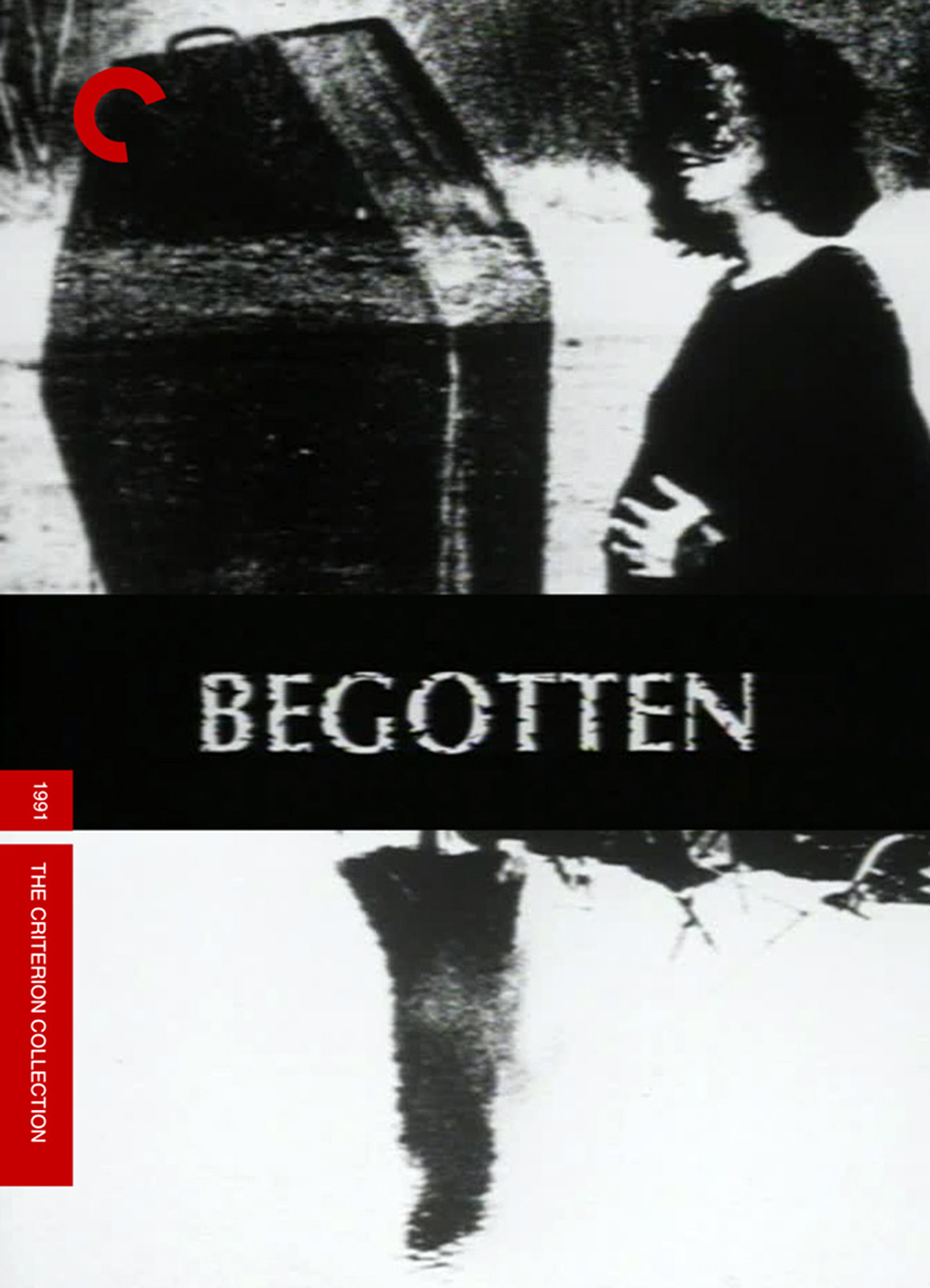


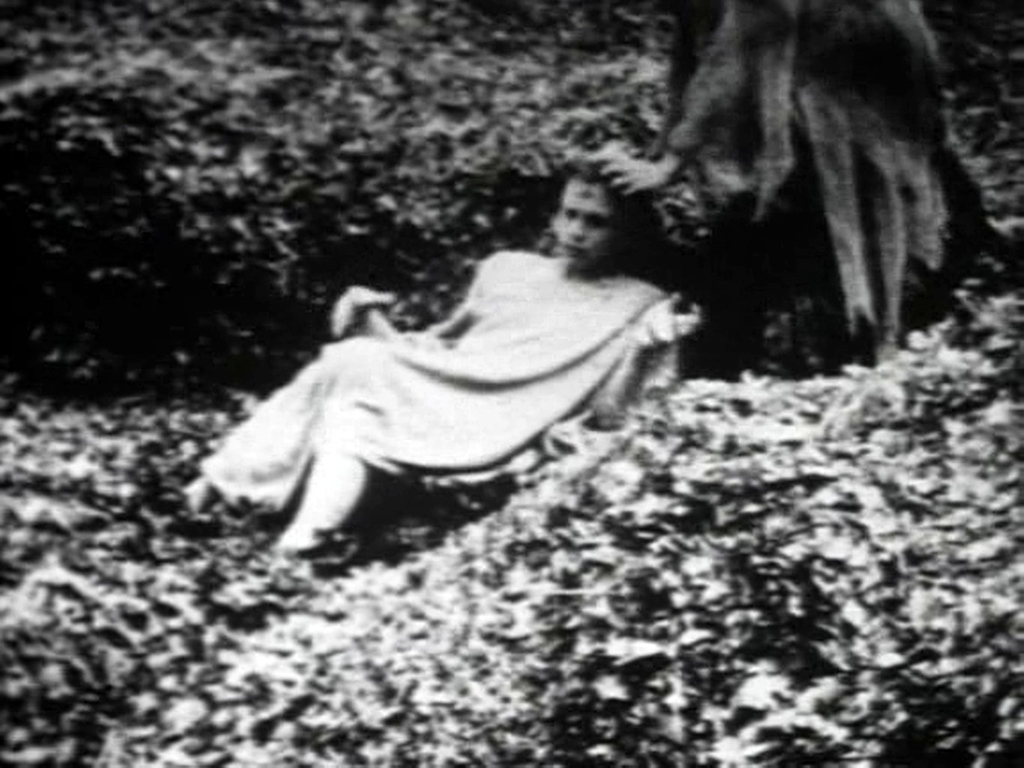
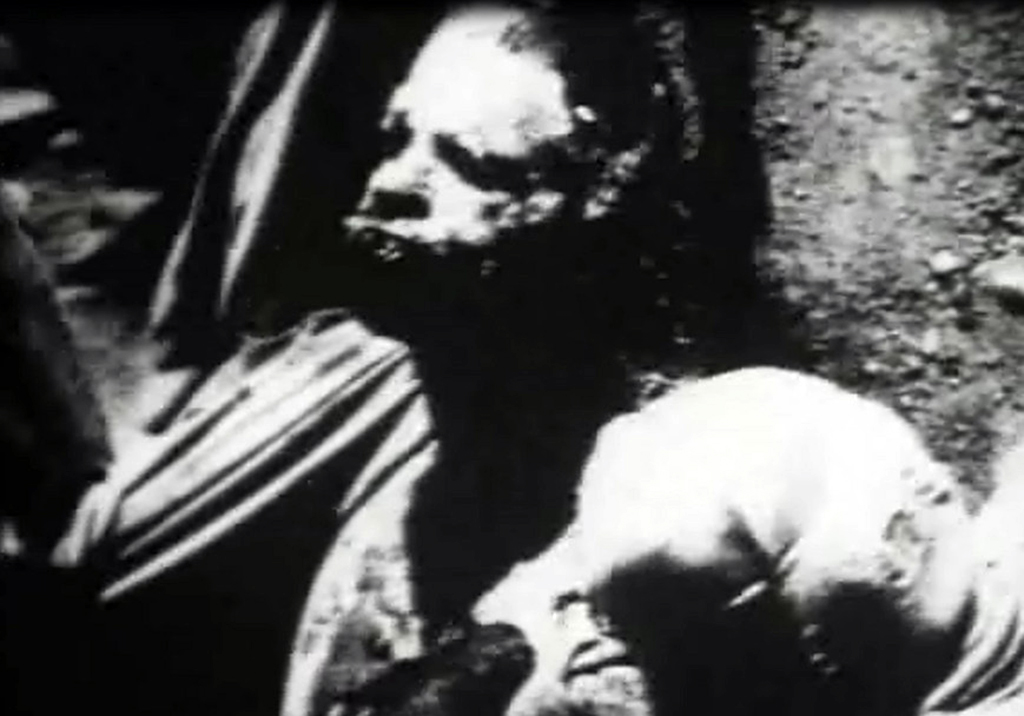

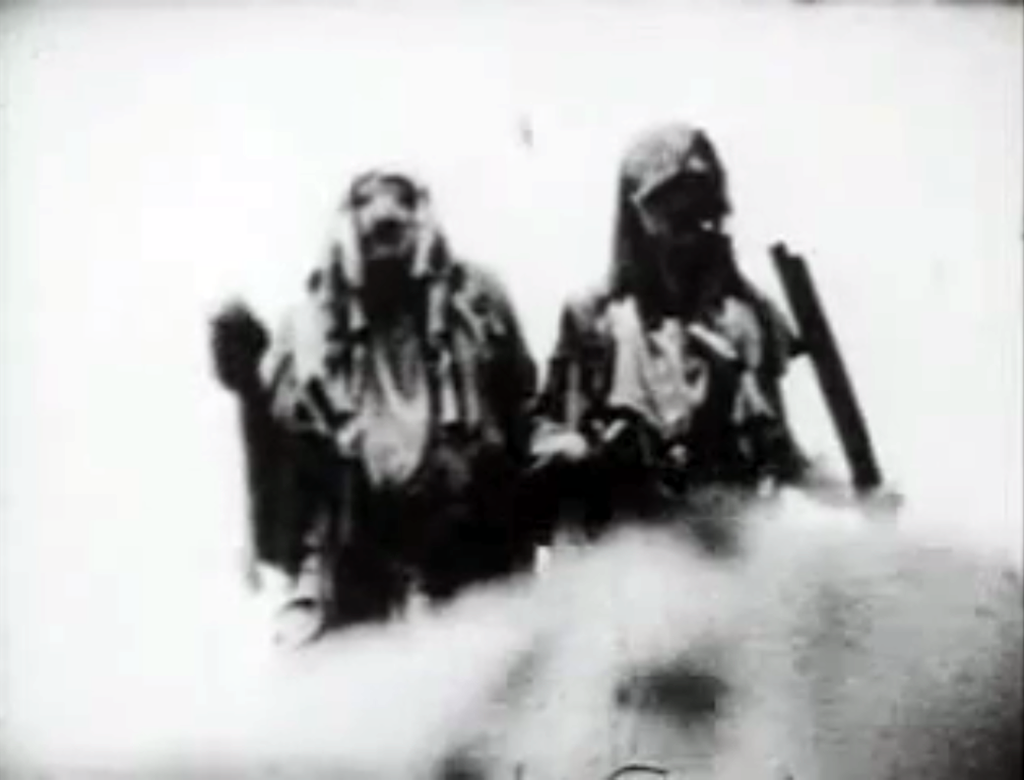


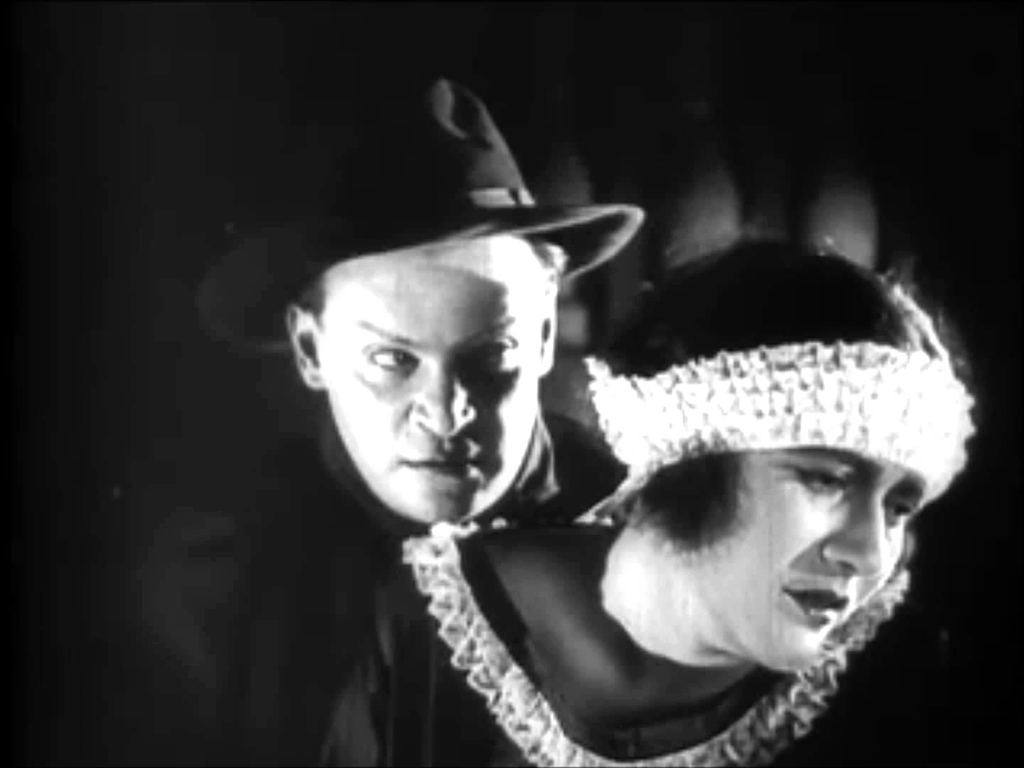
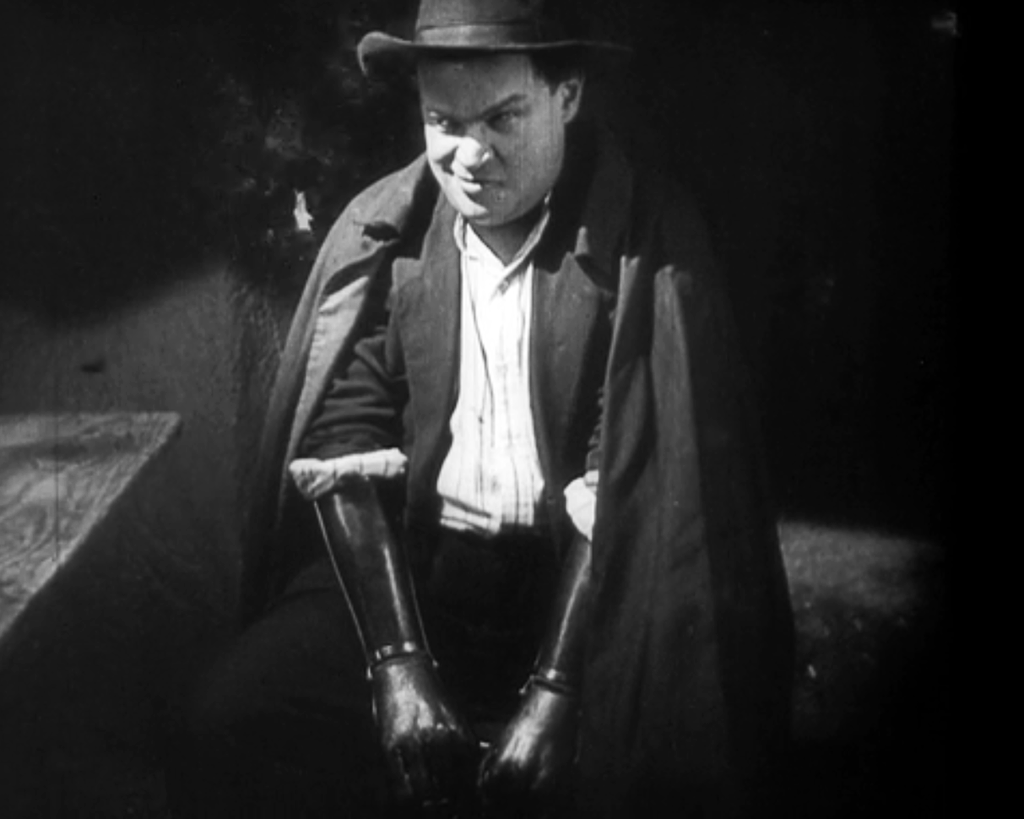


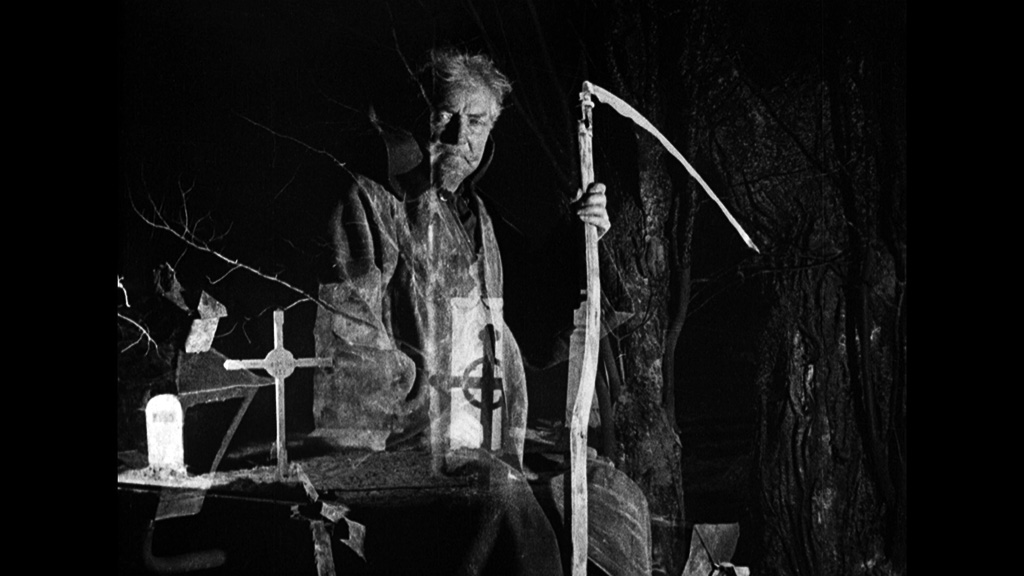


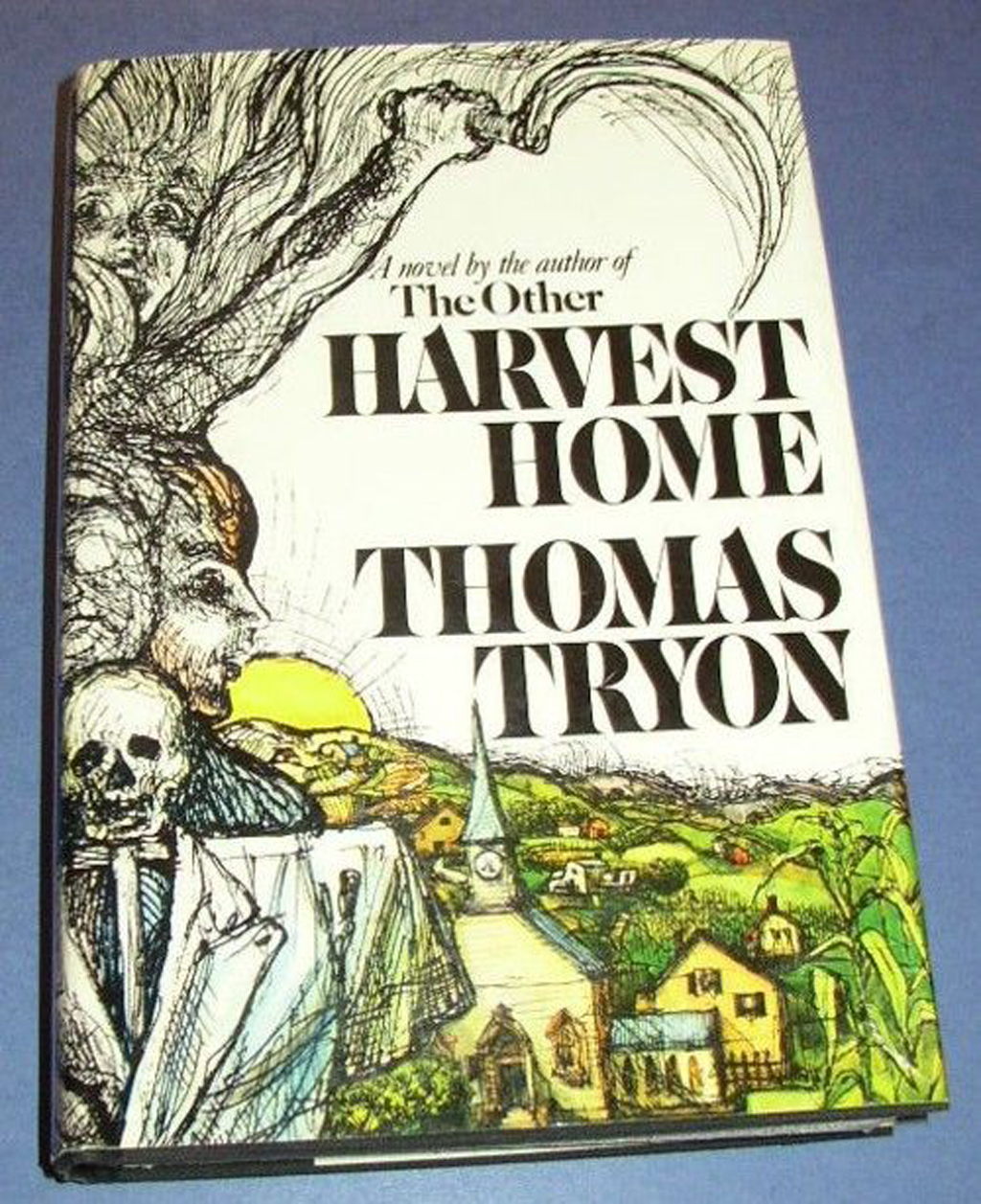
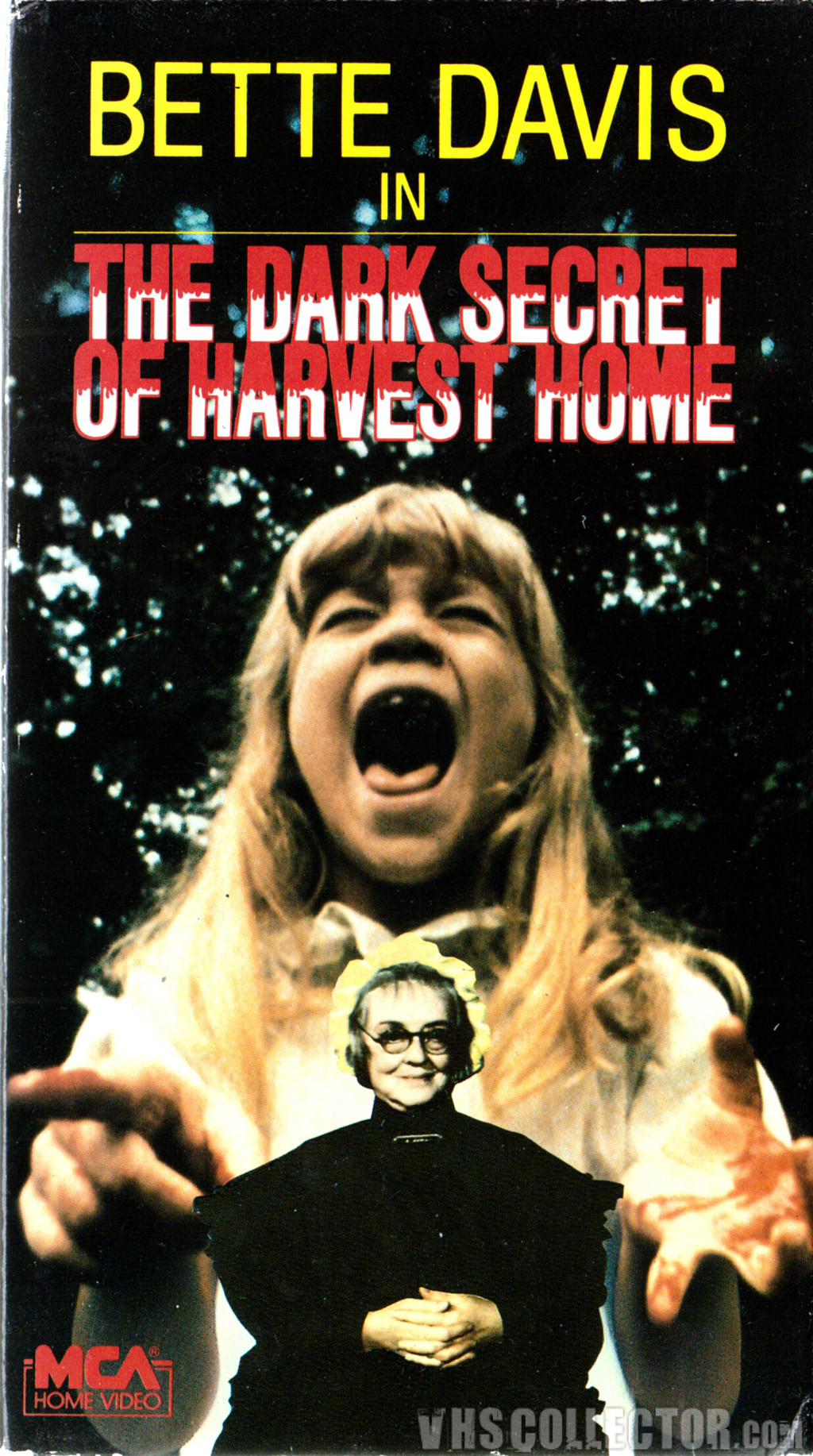
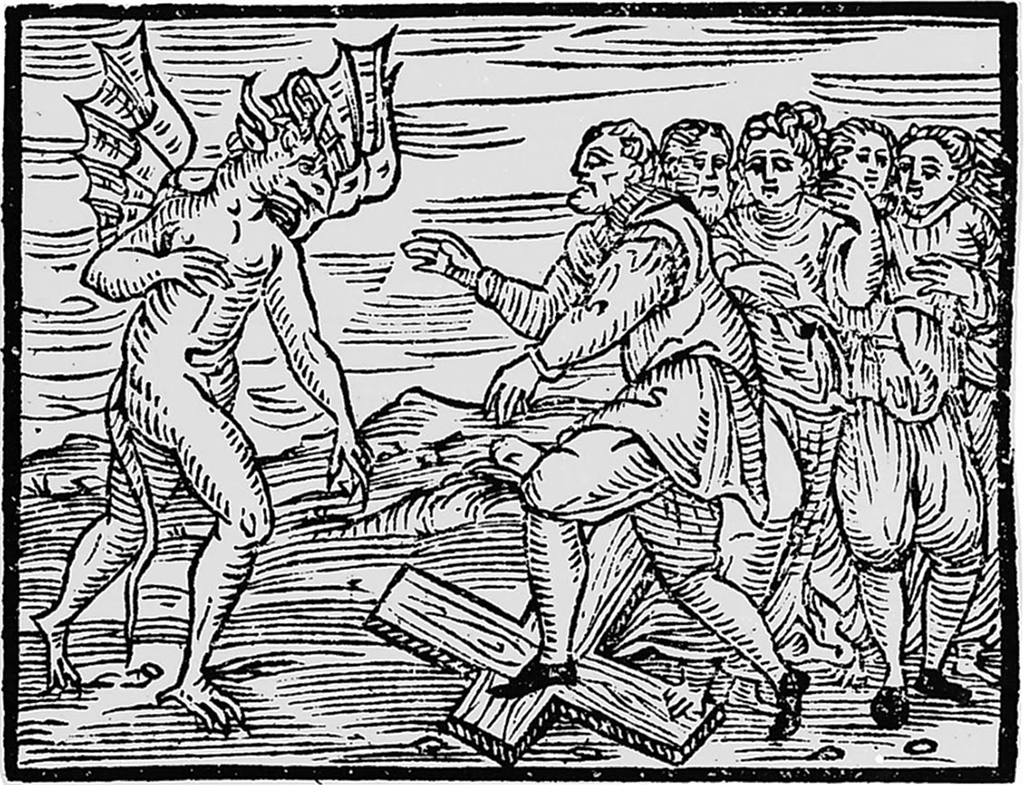


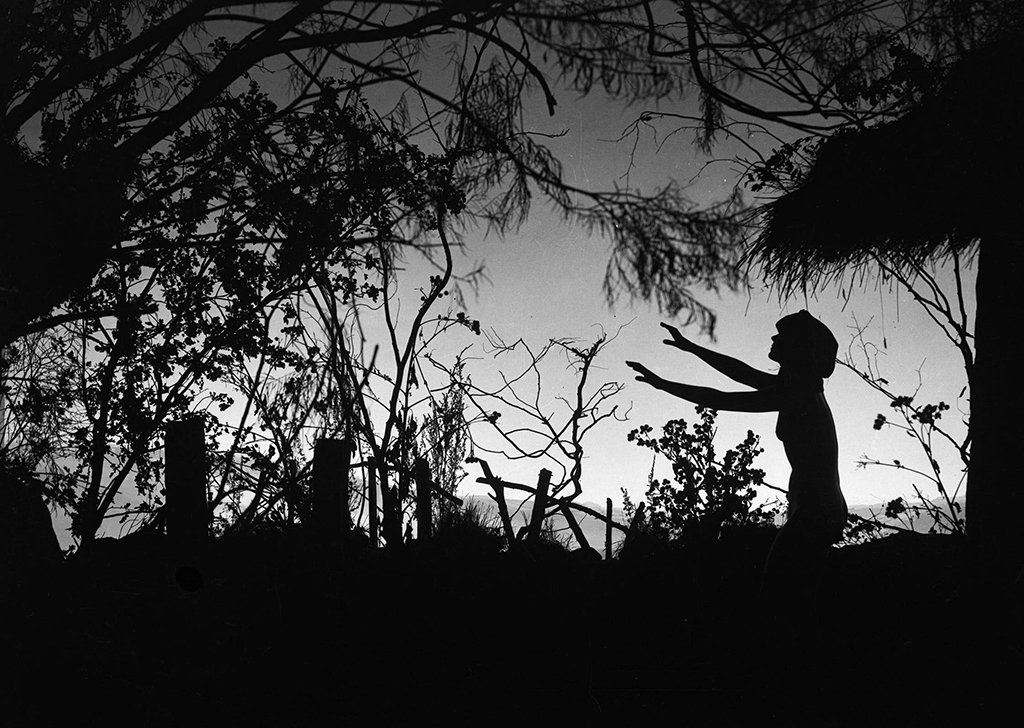

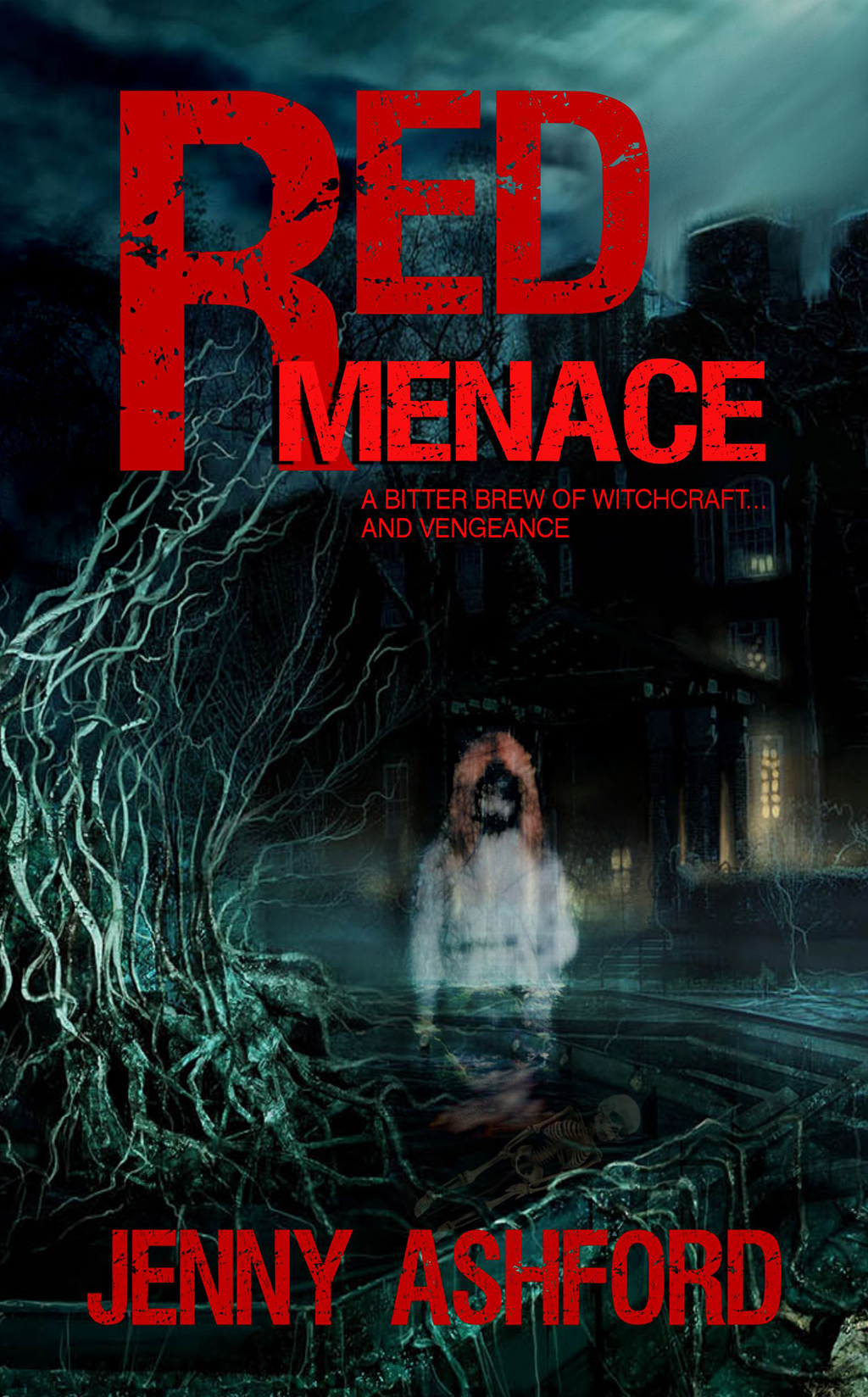
![Pageflex Persona [document: PRS0000038_00060]](https://goddessofhellfire.com/wp-content/uploads/2015/02/mammothmountainbookcover_blog.jpg)


