Audio version:
Video version:
Audio version:
Video version:
It’s yet another Double Feature day at Chez Hellfire, and damn, if all the movies I’m going to be watching for this series are as fantastic as these two, then I’m going to be a very happy horror nerd indeed.
Like We Are Still Here, discussed previously, Starry Eyes also premiered at the South by Southwest film festival, albeit a year earlier, in 2014. Written and directed by Kevin Kölsch and Dennis Widmyer and partially funded through a Kickstarter campaign, the film has received tons of positive press, and it’s not hard to see why. Starry Eyes is essentially an homage to classic 60s and 70s Satanic cult flicks (Rosemary’s Baby, To the Devil a Daughter) filtered through the dark-side-of-Hollywood motifs of David Lynch’s Mulholland Drive and Inland Empire, with a giant, sticky dollop of gruesome, Cronenberg-style body horror thrown into the mix. The film is intensely disturbing, gloriously gross and violent, blackly comic, and absolutely riveting from start to finish, not only a fun (if extremely grim), gory ride, but also a startlingly cynical meditation on the lengths people will go to for fame, the soul-sucking nature of the Hollywood system, and the corrosive effects of unfettered ambition.

Easily the best thing about the film is the astounding breakout performance of lead actress Alex Essoe, who goes to unbelievable lengths for the role and makes her tragically flawed protagonist not only completely grounded and believable, but also simultaneously sympathetic and monstrous. Essoe plays Sarah Walker, one of millions of aspiring young starlets trying to make it in L.A. To pay the bills, she works at a dreary Hooters-type restaurant called Big Taters, but she feels she is destined for bigger things. To this end, she has been constantly going out for auditions and getting rejected, all the while trying to tamp down her extreme insecurity and self-hatred by pulling out her own hair and going into psychotic rages where she feels she must punish herself for her failings.
Not helping matters are the “friends” she surrounds herself with, only a few of which (particularly her roommate Tracy, played by Amanda Fuller, and aspiring indie film director Danny, played by Noah Segan) seem genuinely supportive of her goals. One friend in particular, a rather passive-aggressive bitch named Erin (played with cunty relish as well as surprising depth and humanity by Fabianne Therese) continually chips away at Sarah’s self-esteem with her denigrating comments.

As unsure of herself and relatively unstable as she is, Sarah does manage to pull off a decent audition for a horror film called The Silver Scream, produced by a long-running production company called Astraeus Films. The only problem is, her performance is really nothing special, just like all the others, and she is summarily dismissed by the intensely creepy casting agents (played by Maria Olsen and Marc Senter). In the bathroom after her audition, she looses her frustration in a torrent of primal screaming and hair pulling, and wouldn’t you know it, the casting agent happens to come into the bathroom and witness the psychotic episode, which piques her interest anew, prompting Sarah to come back to the casting office to re-enact her terrifying tantrum for them, so they can see “the real Sarah.”
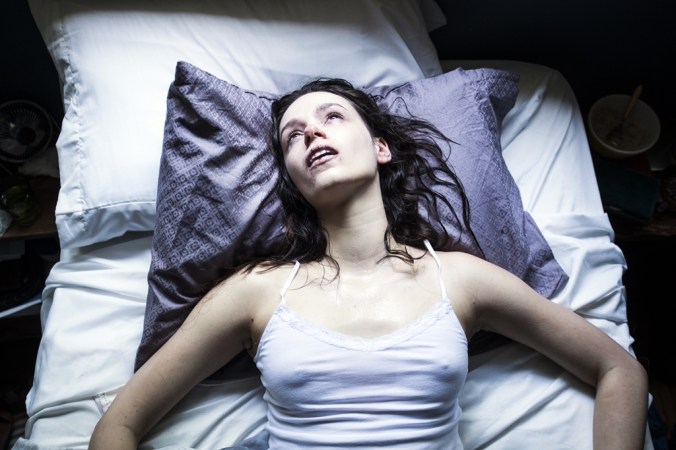
As the story goes on, Sarah is called back for more auditions that get weirder and sketchier until she eventually gets called to meet the producer, a perpetually leering and overly tanned old creep who predictably wants to make a Faustian bargain with Sarah, essentially asking her to give herself up body and soul for the tantalizing reward of fame. It shouldn’t come as a surprise to anyone that Sarah is not being recruited for a horror movie so much as initiated into a Satanic cult of Hollywood elites, one that will of course require sacrifice in order to achieve Sarah’s final transformation from struggling actress and breastaurant waitress to glamorous Tinseltown screen idol.
Though the plot is, as I mentioned, essentially a retelling of the Faust tale and therefore familiar territory, the real fun of the film is in watching Sarah slowly spiral downward as she siphons off bits of her soul to achieve her dreams. After accepting the cult’s invitation, Sarah begins to physically deteriorate to a horrifying degree, so much so that the viewer is simultaneously revolted and intrigued, not particularly wanting to see whatever disgusting indignity is coming next, but also unable to look away. Again, Essoe is outstanding in the role, laying herself bare in every way imaginable and completely going for it in the gross-out department (there‘s a lot to be said for the dedication of an actress who is willing to fill her mouth with real maggots). Her performance is such that as I watched it, I found myself hating her for her weakness and naivety, empathizing with her outsider status, insecurity, and desire to achieve her dream, and actually rooting for her to go all the way with her horrible deeds to get what she wanted in the end. The fact that I could feel all these emotions at once is a testament to Essoe’s extraordinary talent.
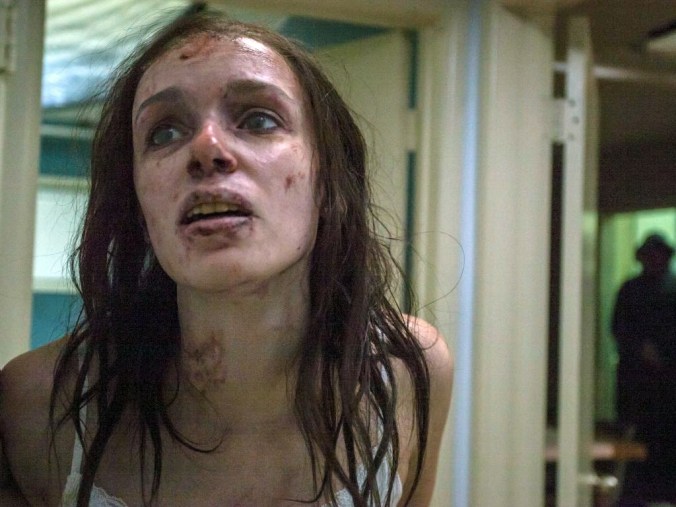
All the other actors in the film are great too, and I thought it was fantastic how even characters like Erin and Big Taters manager Carl (wonderfully played by Pat Healy) that were supposedly “villains” (at least from Sarah’s perspective) were given dimension and humanity; even though they did and said some shitty things and were seemingly standing in the way of Sarah‘s aims, they did still genuinely care about Sarah’s well-being, which made her act of viciously turning on them near the end all the more devastating.
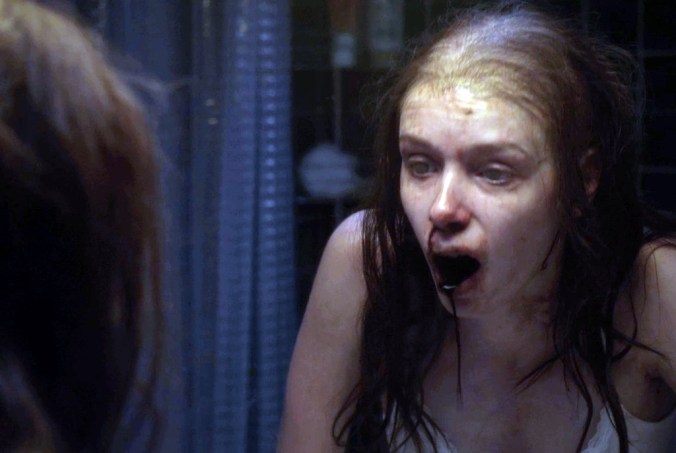
The special effects were also top-notch, with Sarah’s bodily disintegration especially grotesque and nauseating. The violence was also wickedly nasty and brutal, portrayed in an unsettlingly matter-of-fact fashion, with one kill in particular (in which the camera barely flinches as someone’s head is pounded into pulp) being almost unwatchably grisly. Topping the film off with a flourish is a fantastic score and terrific sound design that really adds to the atmosphere. Put it all together and you’ve got one skin-crawling, black-hearted blast of a movie that I would not hesitate to wholeheartedly recommend, though definitely NOT to the squeamish.
Another South by Southwest festival alum comprises the second movie in our double bill, and even though it’s a completely different style and experience than Starry Eyes, it is equally stellar, and likewise comes very highly recommended.

2015’s The Invitation was directed by Karyn Kusama (of Girlfight and Jennifer’s Body fame) and features a splendid ensemble cast that includes Logan Marshall-Green (Prometheus), Tammy Blanchard (Into the Woods, Moneyball), and John Carroll Lynch (Fargo, Zodiac, “The Walking Dead”). The film is actually far closer to a thriller than a straight horror film, but don’t let that dissuade you, because this thing had me perched on the edge of my seat biting my fingernails the entire time; it is fantastically, unbearably tense.
The setup of the plot is this: Will and his girlfriend Kira have been invited to a dinner party at the home of Will’s ex-wife Eden and her new husband David. No one has really seen Eden and David for two years, so the couple claim they’re having this get-together for all their friends so everyone can catch up. It’s also established early on that Will and Eden divorced shortly after their son was killed in a freak accident (after which Eden also attempted suicide), and Will is not entirely sure he’s ready to see Eden again, as well as return to the house where the tragedy occurred, but with the help of the supportive Kira and all their other friends, he’s hoping he can make a go of it.

At first, everything seems fairly normal, if a little awkward as everyone feels each other out and gets reacquainted after such a long time apart. The weirdness begins to happen in very small increments: Eden and David introduce Sadie, a woman who is living with them and is obviously their lover. They have also invited a man named Pruitt, who seems polite enough but is also ever so slightly menacing. Eden is putting on a somewhat creepy façade of serene happiness, but early in the evening she has a bit of an episode and slaps one of the other guests, though she recovers her composure fairly quickly. Will notices David locking the doors, and when Will asks about this, David brushes it off by saying that there has been a recent home invasion in the neighborhood and he just wants to keep everyone safe. While Will is snooping around his former home, he comes across a bottle of phenobarbitol in the nightstand of David and Eden’s bedroom.
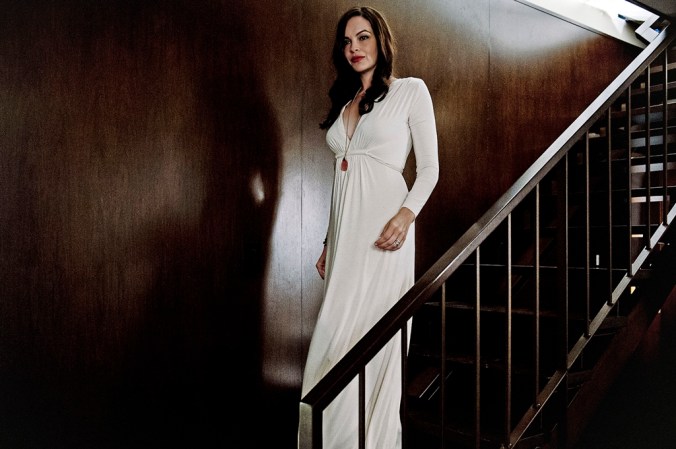
There is also the small matter of another guest, Choi, being very late, and of no one being sure where he is since there is no cell phone reception up in the hills where the house is located. As the party goes on, it comes to light that Eden and David have been in Mexico for most of the previous two years, and that while there they joined a sort of spiritual self-help group that has supposedly helped Eden let go of her grief about her son’s death. David, Eden, Pruitt, and Sadie all sing the praises of this group and its enigmatic leader, Dr. Joseph, though the rest of the party guests make jokes about them joining a cult and seem uncomfortable when it appears that David is trying to convert everyone at the party by showing them an unsettling video of Dr. Joseph and two other group members presiding over the death of a terminally ill woman.
The party grows ever stranger, becoming equal parts overtly sexual and intensely disquieting (especially after Pruitt makes a disturbing confession about what happened to his wife), and at one point, another guest, Claire, decides she’s had enough and wants to leave. David tries to prevent her, but Will, who has been getting increasingly suspicious that something sinister is going on, confronts David, and Claire is allowed to go out to her car, though Pruitt follows behind her because he has parked her in. Will goes to the window to watch Claire leave, as he believes Pruitt is going to do something to her, but he is called away before he can see anything.

The bulk of the narrative goes on in this way, as Will begins to see even the most innocuous actions of the party’s hosts as evidence that something terrible is about to go down. This was the best aspect of the movie by far, because the viewer is left to wonder if there really is something weird going on with David and Eden, or if Will is just having a breakdown because he hasn’t yet come to terms with his son’s death and Eden’s remarriage. Adding to the tension is the fact that none of the other party guests seem to think anything odd is going on at all, and several of them try to reason with Will at various points, leading the audience to think that Will is simply isolating himself from the group, acting like a paranoid weirdo, and letting his imagination run away with him. The film also plays with our expectations by making some of Will’s suspicions come to nothing. As I’ve stated many times before, I really like movies that are ambiguous like this, where you’re not sure if the protagonist is really perceiving things as they are or if their emotions are ultimately clouding their judgment.

I won’t spoil the conclusion, because it’s really terrific, and the very last scene actually made my jaw drop, due to its devastating implications. In short, this is a tightly directed, beautifully acted thriller that maintained a palpable sense of tension throughout and culminated in a terrifying and satisfying climax. Good stuff.
Until next time, keep it creepy, my friends. Goddess out.
Ah, brotherly love. It’s an ideal we can all aspire to…unless your brother is anything like these weirdos. On episode 6 of 13 O’Clock, Tom and Jenny explore the eerie and tragic tale of the infamous Collyer brothers, whose eccentricity, failing health, and rampant paranoia led them to barricade themselves in their swanky Manhattan brownstone behind 140 tons of junk and innumerable booby traps. On the second half of the show, they also discuss the weird story of Stewart and Cyril Marcus, the twin gynecologists on whom David Cronenberg based his classic 1988 horror film, Dead Ringers.
Download the audio file from iProject Radio here, or watch the YouTube version here. Also, don’t forget to follow the 13 O’Clock Podcast blog, subscribe to our YouTube channel, like us on Facebook, and follow us on Twitter.


Time for more list-based goodness from The Goddess, and I promise I’m not really gonna make this an ongoing thing; these are just easier for me to do when I’m pressed for time, you dig? I thought you could. When things calm down around here I swear I’ll get back to my more in-depth content.
Similar to my last post, where I picked my favorite horror films adapted from novels, this time around I’m picking my ten favorite horror films based on true events. Now, here’s where it gets a tad sticky, so I had to make a few loose rules for myself. What constitutes “true,” after all? There are a shit-ton of movies based on supposed “real-life” haunted house cases, alien abductions, poltergeist infestations, and demon possession, for example; any self-respecting list would include The Amityville Horror, A Haunting In Connecticut, Fire in the Sky, The Mothman Prophecies, The Exorcism of Emily Rose, and many, many others. I’m disqualifying those because I don’t think most of them are “true” in the sense that they really happened; in other words, I don’t believe in ghosts or demons, so for me, these movies are not based on reality at all. I’m also avoiding films that were based on novels that were in turn based on true stories (for instance, 2007’s The Girl Next Door, which was based on Jack Ketchum’s fictionalized novel of a true event, doesn’t qualify, and I wrote about it last time anyway). Rule of thumb, the movie can be based on a book, as long as the book is non-fiction. I’m also discounting films that so drastically veered away from the stories that inspired them that they are no longer recognizable as the original event, and ones that were sorta loosely based on a particular person, but didn’t have much else to do with a true account of said person (the villains in both Psycho and The Texas Chainsaw Massacre, for example, were inspired by serial killer Ed Gein, but both took so many liberties with the guy’s real biography that it no longer counts as anything but fiction; plus Psycho was based on Robert Bloch’s novel, so). I realize that by their very nature, movies are fictional entities, so there’s a lot of gray area here, and I’m sure I might break a few of my own rules with the movies I picked, but those are my standards and I’ll try to stick to them. I also realize that a few of these aren’t strictly horror films per se, so don’t bust my balls. They’re horror friendly, bitches. So here we go.
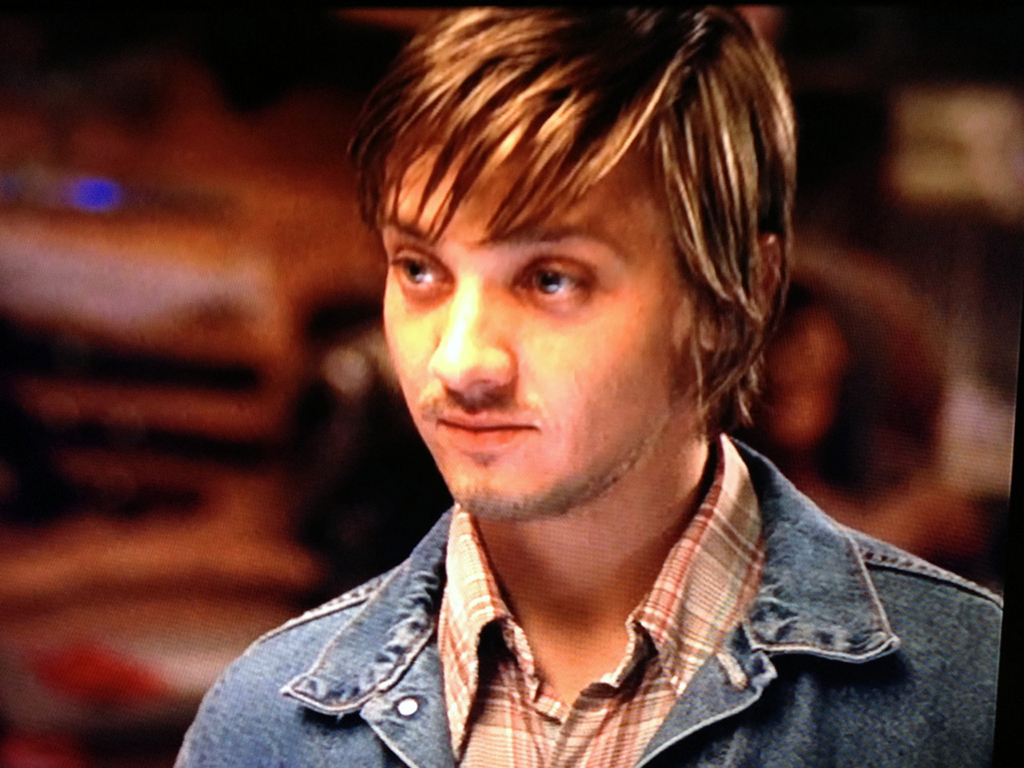
10. Dahmer (2002)
I wasn’t expecting much from this one, to be honest, since it came out right around the same time as a bunch of other direct-to-video serial killer flicks that weren’t much shakes, but I have to admit it really surprised me. Jeremy Renner is great in his complex, nuanced portrayal of rapist, murderer and cannibal Jeffrey Dahmer; he’s pitiful and vomit-inducing by turns.

9. From Hell (2001)
Kind of a cheat, since it’s loosely adapted from Alan Moore and Eddie Campbell’s graphic novel, but it’s also based on real theories surrounding the Jack the Ripper case, and I really liked it, so I’m gonna give it a pass. The thing looks great, drenched in gothic atmosphere, and Johnny Depp is his usual rad self as real-life Ripper investigator Frederick Abberline.
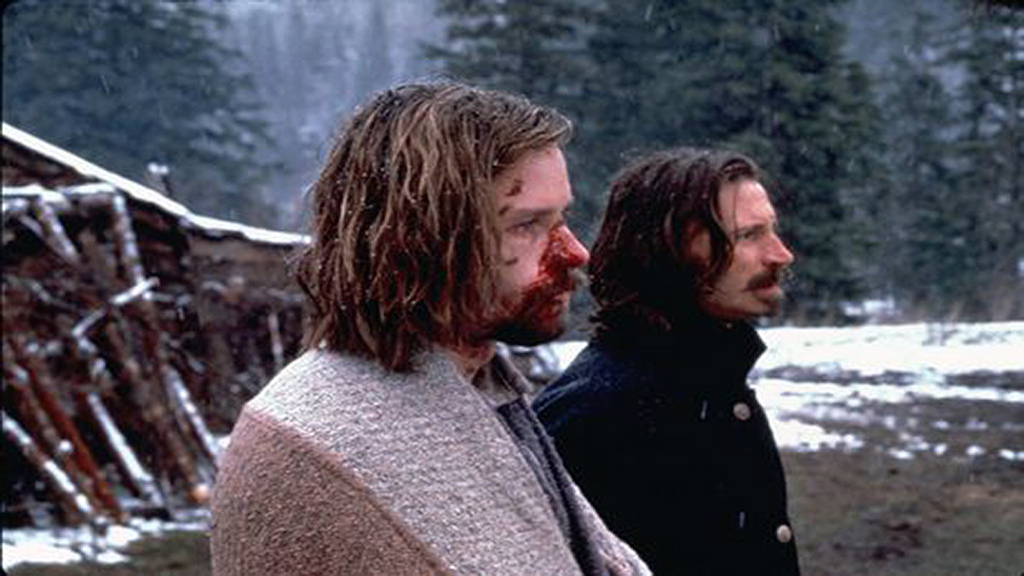
8. Ravenous (1999)
This blackly comic horror film, a sadly underrated one, takes aspects of the Donner Party and the case of cannibalistic gold prospector Alfred Packer and mashes them together into a grimly hilarious tale of man-eat-man during the Mexican-American War of the 1840s. Directed by Antonia Bird and featuring great performances from Guy Pearce and Robert Carlyle, this one’s not for all tastes (sorry), but it has a large cult following for a reason, and I thought it was terrific.
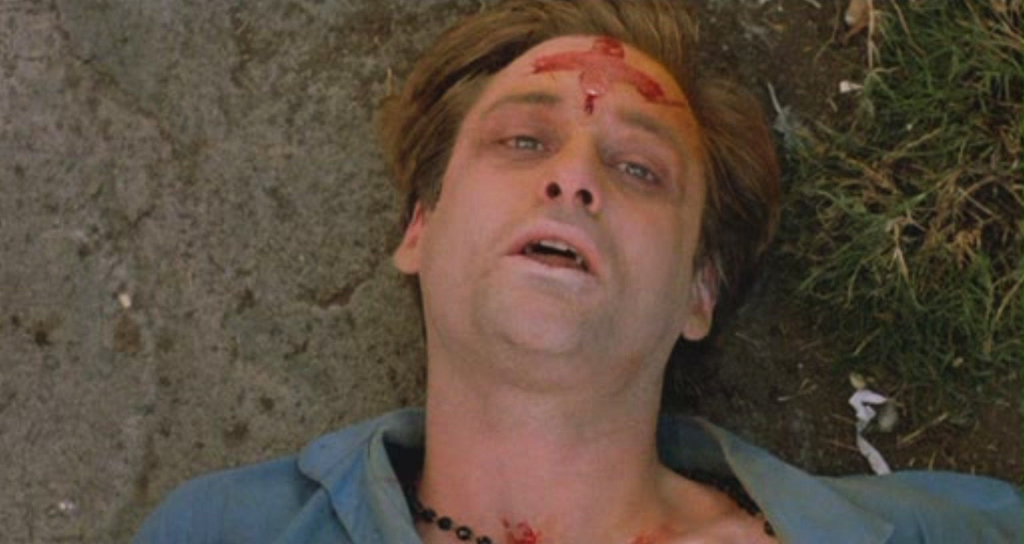
7. The Serpent and the Rainbow (1988)
This one obviously takes some liberties with the source material to ramp up the horror factor, but it’s rooted enough in non-fiction to qualify for the list. Based on anthropologist Wade Davis’s 1985 book of the same name, in which he described the practices of Haitian Vodou and specifically the case of real-life “zombie” Clairvius Narcisse, the film veers into the supernatural, but retains the scientific trappings of the real events.

6. In Cold Blood (1967)
Nominated for four Oscars and starring the suspected real-life wife-killer Robert Blake, this one stays pretty faithful to Truman Capote’s classic non-fiction work about the 1959 murders of the Clutter family in Kansas. It’s another film that uses a stark, documentary-style feel to make the horrific crime as chilling as possible, and Blake and Scott Wilson (who portray the killers) are eerily believable.

5. Shadow of the Vampire (2000)
A sort-of realistic retelling of the making of the 1921 silent classic Nosferatu, this stylish film (directed by E. Elias Merhige, also responsible for the disturbing 1991 silent film Begotten, which I covered here) uses many techniques from the silent film era to great effectiveness. John Malkovich is fantastic as driven director F.W. Murnau, who will stop at nothing to get his vision on celluloid, and Willem Dafoe turns in a skin-crawling performance as Max Schreck, who may just be a REALLY hardcore method actor or may be an actual vampire. Totally meta and wonderful.

4. Henry: Portrait of a Serial Killer (1986)
Probably one of the most uncomfortable films I’ve ever watched, simply because the crimes are so unflinchingly presented. Michael Rooker is skeezy perfection as real-life drifter and serial killer Henry Lee Lucas, and the scenes of him unemotionally watching videos of his killings with scumbag partner in crime Otis (based on Henry’s real-life sidekick Ottis Toole and played by Tom Towles) are intensely disturbing. One of the ickiest films ever made, but also one of the best.
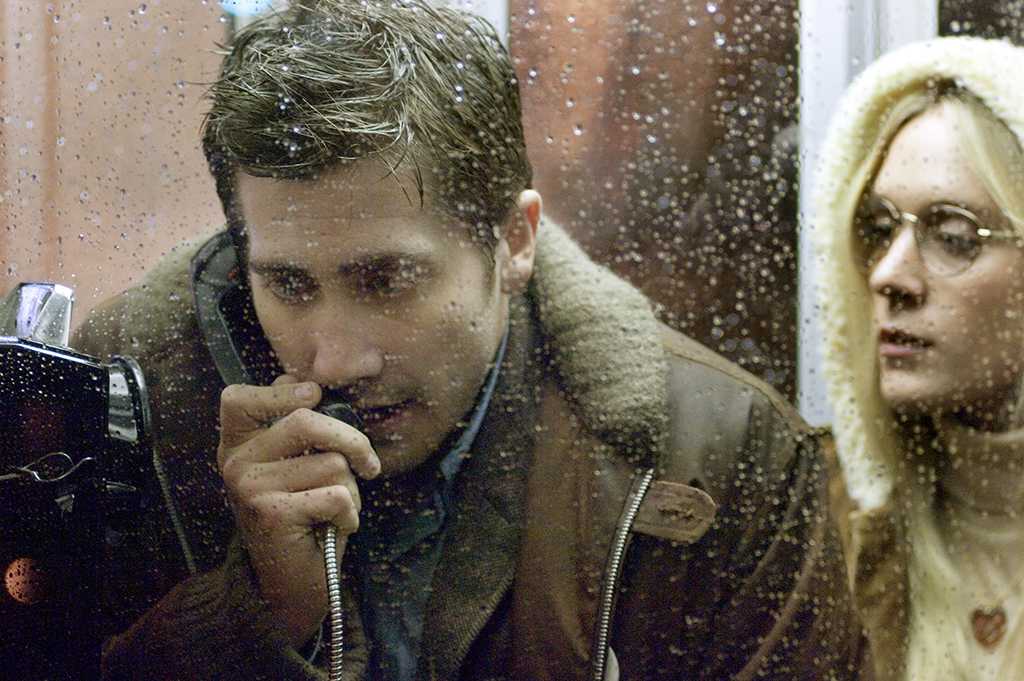
3. Zodiac (2007)
David Fincher’s chilling thriller is based on the famous series of random murders that took place in the San Francisco area in the 60s and 70s. He chose to focus on the police investigation of the case rather than the killer (which I guess he had to, since Zodiac was never caught, heh heh), but that only serves to make the film even creepier, since the identity and motivations of the murderer remain unknown. The scenes of the actual killings are matter-of-fact and completely horrifying, striking from out of the blue and giving the viewer the visceral feeling that no one is safe, ever. Brrrrr.

2. Dead Ringers (1988)
I’ve written about this film before, as it’s my favorite of all of Cronenberg’s body-horror epics. As disturbing as this movie is, it’s made even more so by the fact that the creepy Mantle twins were based on real dudes, specifically twin gynecologists Stewart and Cyril Marcus, who practiced together in their New York City clinic and were both found dead in the apartment they shared, presumably from barbiturate withdrawal.
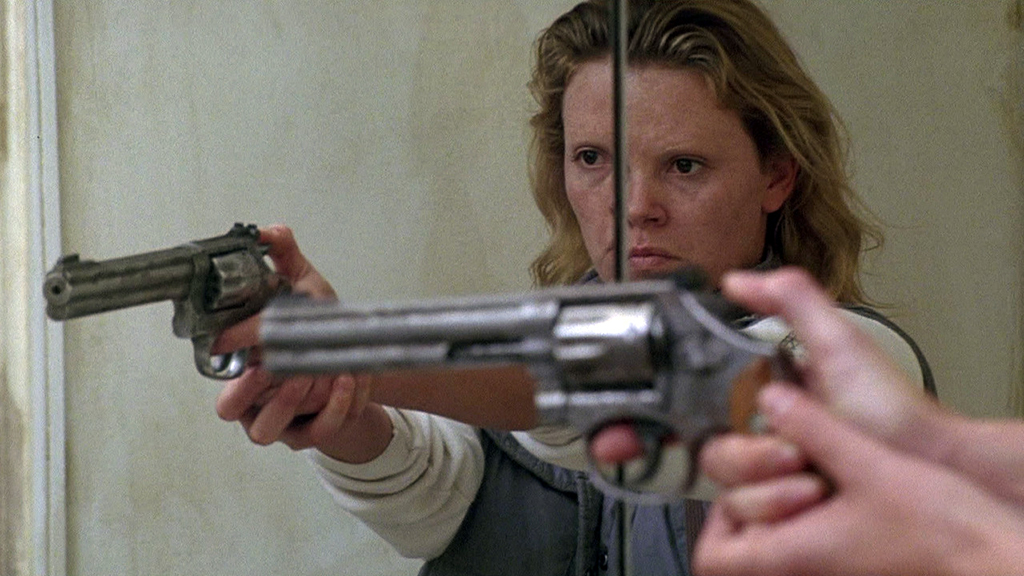
1. Monster (2003)
A brutal, gritty take on the crimes and trial of female serial killer Aileen Wuornos, this one is a twisted masterpiece, elevated to classic status by Charlize Theron’s unbelievable turn as Aileen. I saw this in the theater, and had to keep reminding myself that Aileen Wuornos was actually dead and not appearing in this movie; Theron embodied the character in a way I don’t think I’ve ever seen in another film (except maybe for Martin Landau portraying Bela Lugosi in Tim Burton’s Ed Wood). A complex film that dares you to sympathize with its protagonist even as you revile her. Astonishing.
And ten more, just for the hell of it:
The Hills Have Eyes (1977)
Based on a real family of cannibals in 15th-century Scotland, headed by Alexander “Sawney” Bean.
The Elephant Man (1980)
David Lynch’s fictionalized biography of deformed Englishman Joseph Carey Merrick.
Rope (1948)
Based on a 1929 play that was in turn based on the famous 1924 Leopold and Loeb murders.
The Lodger (1944)
Somewhat fictionalized retelling of the Jack the Ripper case, based on a novel by Marie Belloc Lowndes.
Jaws (1975)
Adapted from Peter Benchley’s novel, but inspired by a real 1964 story about fisherman Frank Mundus catching a monster great white shark off the coast of Long Island.
Helter Skelter (1976)
Based on Vincent Bugliosi’s 1974 account of the Charles Manson murders.
The Black Dahlia (2006)
Brian de Palma’s histrionic film was based on the real-life, grisly murder of actress Elizabeth Short in 1947.
Hollywoodland (2006)
More a detective thriller than a horror film, this is a speculative adaptation of the mysteries surrounding the death of Superman actor George Reeves in 1959.
Ed Wood (1994)
Definitely not a horror film, but one of my favorites, this loving film sort-of-accurately eulogizes famed terrible horror and sci-fi film director Edward D. Wood, Jr.
Heavenly Creatures (1994)
Also not a horror film, but a great account of the real 1954 Parker-Holme murder case in New Zealand.
Twins are a well-established feature of the horror genre, and understandably so. Is there anything quite so unsettling to us singular folks as two people who appear more or less identical, but at the same time are still separate entities? Growing up, I had two sets of identical twins in my family (a pair of aunts and a pair of cousins), and while I never found them weird or scary at all, I was always fascinated as to what it would be like to have a clone of yourself living in the same house as you. Would you pull all sorts of switcheroos and other twinly shenanigans? Be able to communicate in your own invented language, or even telepathically? Murder a person and then accuse your twin, just for shits and giggles? The possibilities are staggering.
Obviously I’m not the only person who is intrigued by this stuff, judging by the plethora of horror films that feature creepy twins in either a central or peripheral role. Twins in film are generally made even more disturbing by the addition of some sort of psychic link between the pair, or perhaps a kind of bizarre incestuous relationship, or the designation of one twin as good and the other evil. A short list of films that make good use of this motif would include The Shining, City of Lost Children, The Dark Half, Basket Case, The Other, Twins of Evil, The Black Room, Jack’s Back, and, of course, the twin (ha!) subjects of today’s post.
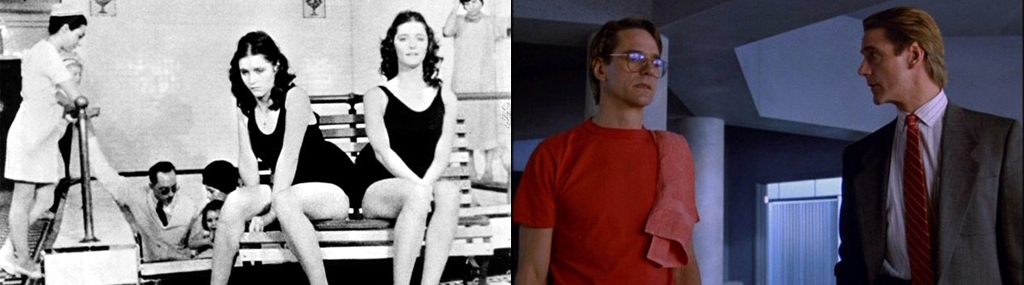
Two of the best films in the twin-horror canon, I think we can all agree, are Brian De Palma’s Sisters (1973) and David Cronenberg’s Dead Ringers (1988). Both feature a profoundly screwed-up set of identical twins played by the same actor (Margot Kidder in Sisters and Jeremy Irons in Dead Ringers), both bring up some uncomfortably creepy psychosexual issues between the siblings, and both feature a sort of good/evil dichotomy between the twins, with Sisters being the more obvious example of this trope.

GUESS WHICH “TWIN” THIS ONE IS.
Sisters was not Brian De Palma’s first film, but it was the first of the fantastic Hitchcockian thrillers that he would become so renowned for, and it already shows a director with a surefooted grasp of his material. He certainly got a bravura performance out of Margot Kidder, who is absolutely astonishing and wholly believable as French-Canadian model Danielle Breton, complete with spot-on accent. Early in the film, Danielle appears on a New York game show where she meets handsome ad salesman Philip (Lisle Wilson) and charms her way into a date. The pair seem to be hitting it off, though there is the small matter of Danielle’s ex-husband Emil (William Finley) following them around, and then there’s that large, unsightly scar on Danielle’s thigh. But love finds a way, sort of, and Danielle and Philip have an enjoyable night back at Danielle’s apartment in Staten Island.
The next morning, though, things look quite a bit stranger. Philip awakens to what sounds like Danielle arguing with another woman in French. She disappears into the bathroom and scarfs some red pills, then tells Philip that she would really appreciate it if he could just pop down to the pharmacy and get her some more of the drugs, pretty please. He asks what the deal was with the French arguing, and Danielle tells him that her twin sister Dominique has come over to the apartment because it is their birthday, and Dominique is upset that Philip is there. He feels bad and offers to leave, but Danielle tells him to hang around. He agrees to come back after his pharmacy errand, and leaves the apartment. While he’s out, he spots a bakery, and being a considerate kinda guy, he ducks in there and buys a cake for Danielle and Dominique’s birthday.
Meanwhile, Danielle is back at the apartment and doesn’t appear to be doing too well. She’s screaming at someone on the phone that she’s out of pills, she’s writhing around on the bathroom floor as if she’s in terrible pain; the whole thing is just not looking terribly kosher. When Philip returns, he finds Danielle (or at least he thinks it’s Danielle) sleeping on the hide-a-bed in the living room. He quietly lights all the candles on the cake, gets a knife out of the kitchen to cut it with, then sets the cake down on the bed in front of the sleeping “Danielle.”
Wrong move, Philip.
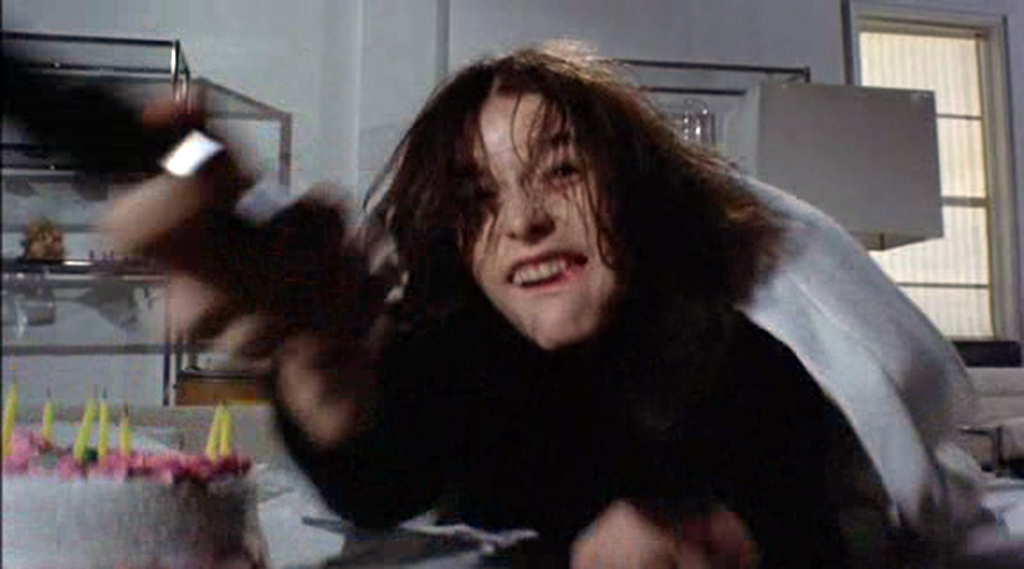
I’M DIABETIC, YOU INSENSITIVE ASSHOLE!
Poor Philip gets ventilated pretty effectively, but before he dies, he manages to crawl to a window and write “help” on it in blood. This turn of events is witnessed by a neighbor across the courtyard, Grace Collier, who happens to be a journalist working for some two-bit newspaper but aspiring to much greater things. Said aspirations had previously prompted her to write a whole newspaper series on police corruption, so as you can imagine, when she calls the cops to report the murder in her apartment building, they’re reluctant to listen to her. They eventually show up, grudgingly, and she argues with them in the lobby. Meanwhile, utilizing one of his beloved split-screen effects, De Palma shows us that Danielle is apparently shocked at the carnage that Dominique has wrought. Her ex-husband Emil, who of course had been watching her the entire time, snaps into action to help cover up the murder. They roll Philip’s body into the hide-a-bed, clean up the blood streaks on the floors and windows, and generally get everything spic-and-span. By the time the cops come knocking on Danielle’s door with a squawking Grace in tow, there is no apparent trace of the murder at all, other than a single blot of blood on the back of the sofa that the annoyed cops don’t even notice. Grace tries to sneak around and do her own investigation, but the cops keep getting more and more pissed off because they don’t see any evidence that a murder has taken place. Grace plays the racial angle, accusing the cops of not caring about the victim because he was a black man killed by a white woman. As she’s snooping around, she finds the birthday cake with both sisters’ names on it in the refrigerator, and tries to bring it out to show the cops in order to claim that the charming Danielle is covering up for a twin sister who is not present. Wouldn’t you know, it, though, Grace slips on the just-cleaned floor and drops the cake before the cops can see what it said. Heh heh.
The remainder of the film has Grace bound and determined to nail Danielle for the murder, even going so far as to hire a private detective (played by Charles Durning) to break into the woman’s apartment and later follow a moving truck that took away the telltale sofa the day after the murder. During Grace’s investigation, she discovers that Danielle’s twin Dominique had actually been a conjoined twin (hence Danielle’s scar), but had died a year previously after the surgery to separate the women. So now we understand that Danielle has taken on the mantle of both the good twin and the evil, and without her pills, she manifests Dominique’s psychopathic tendencies without being aware that she is doing so.
The creepiest part of this film comes toward the end, as De Palma takes us in an unexpected direction. Grace is following Danielle and Emil, and she ends up at some sort of open-door psychiatric hospital out in the country. She watches through a window as Emil drugs Danielle with a syringe. Grace goes into the hospital and tries to use the phone to call the cops, but she is thwarted by staff and by the crazy patients. Emil appears and tells a staffer that Grace’s name is Margaret, and that she is a new patient. Grace, of course, violently protests that she is crazy, but like a dumb ass, she has left her identification in her car, so no one believes her, and the more she protests, the crazier she seems. Emil takes her away, drugs her, and hypnotizes her, giving her a post-hypnotic suggestion that she saw no body and no murder.

YOU SAW NOTHIN’, CAPISCHE?
There then follows a very disturbing sequence wherein a drugged Grace has a dream in which she stands in for the insane Dominique, reliving the trials of the conjoined twins’ separation a year earlier. She sees herself on a hospital bed in an operating theater, and as she glances over, she sees that she is attached to Danielle.
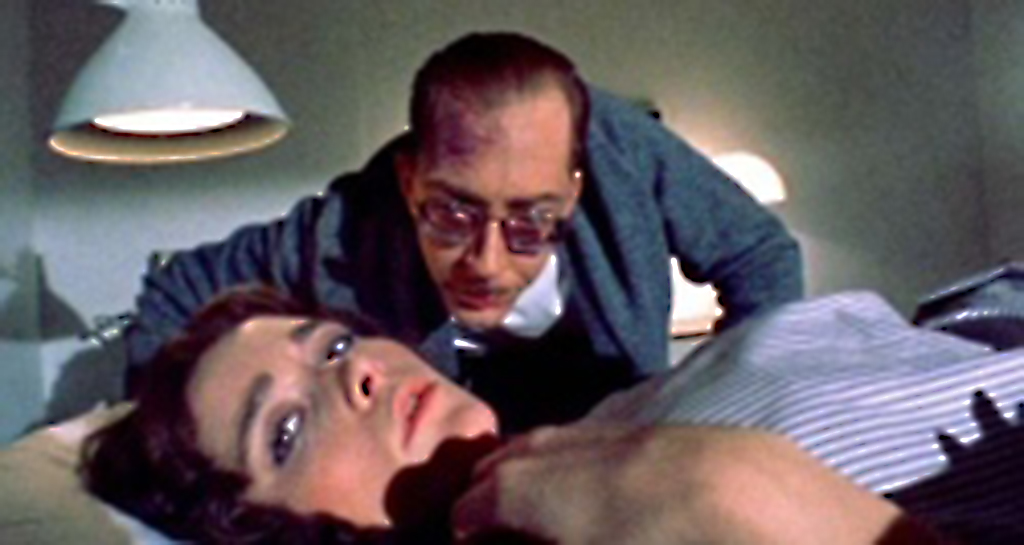
WELL, HEY. DIDN’T EVEN NOTICE YOU THERE.
Emil is hovering over Danielle lovingly, and the two kiss and make out while Grace/Dominique sulks on one side of the bed. “Make her go away,” Danielle begs Emil, and then Grace looks around to see all these freaky-ass looking people in the operating theater, passing a cleaver from hand to hand. Turns out that the twins were ultimately separated because Danielle was miscarrying and would have died if her sister was not detached. It’s all very nightmarish and disturbing, and it all ends up with Emil chopping the sisters apart with the cleaver, and then Danielle killing Emil with a scalpel and freely confessing to his murder (but not Philip’s), and Grace being rescued from the hospital by the police, though the post-hypnotic suggestion Emil gave her stays in effect, and she keeps vehemently insisting that there was never any murder and no body. The final, somewhat farcical shot is of the sofa containing Philip’s body sitting at an abandoned train station.

DON’T WORRY, DETECTIVE MOO MCLANAHAN IS ON THE CASE.
As good as Sisters is, however, it can’t begin to approach the skin-crawling weirdness of the quintessential creepy-twin movie, Dead Ringers. David Cronenberg, of course, is the undisputed master of squicky sexual perversion and gross-out body horror, his particular fascination lying in the myriad ways the body can go horrifically wrong from within, through parasitical infection (Shivers), disease (Rabid), disfigurement (Crash), techno-biological enhancement (Videodrome, eXistenZ) or some other type of bizarre transformation (The Fly).
Dead Ringers, though, focuses less on the physical and more on the psychological (though there are plenty of uncomfortable Cronenberg flourishes in the form of gynecological instruments for “mutant women”).

YOU KNOW YOU’RE A GREAT DIRECTOR WHEN WE CAN TELL IT’S YOUR MOVIE FROM JUST A SINGLE STILL.
Jeremy Irons turns in a staggering (and award-winning) performance as twin gynecologists Beverly and Elliot Mantle; his portrayal of the two characters is so effective that the viewer can ALWAYS tell immediately which twin is which, even though they are both played by the same person. Beverly is bookish and sensitive, while Elliot is cocky and borderline sociopathic. Despite their differing personalities, though, the pair are inseparably, creepily attached to each other, living together in a swank apartment and often taking one another’s place with no one around them being the wiser. “Listen. You haven’t had any experience until I’ve had it too,” Elliot tells Beverly at one point, and as the movie progresses, we see the sort of twisted dynamic these two have going on, and witness the havoc it wreaks around them.

HOW EMBARRASSING! WE BOTH WORE THE SAME THING!
The famous Mantle twins are lauded as geniuses in their field, showered with awards and accolades. They own a world-renowned fertility clinic in Toronto, and it is here that they meet the agent of their eventual unraveling: a beautiful, tragic actress named Claire Niveau (Geneviéve Bujold), who is in town shooting a movie. Claire desperately wants a baby, but has had no luck at any of the other fertility clinics she has visited because she is the possessor of a rare mutation, a “trifurcated cervix.” The Mantle clinic is her last hope to get pregnant, but unfortunately, even they can do nothing to help her, although Elliot, cad that he is, is quite happy to seduce her and then pass her on to Beverly when he grows tired of her. Claire, who is from out of town, has no idea that Elliot and Beverly are two separate people, and becomes involved with what she thinks is one sexy (if vaguely schizo) doctor.
Later, Claire is at lunch with a friend who has heard about her dalliance and asks her which of the Mantles she’s been seeing. Claire is shocked at the news that there are two of these freakazoids, and figures out pretty quickly that she’s been unknowingly acting as the gooey filling in a Mantle-twin Oreo. On her next date with Beverly, she asks to meet Elliot. He balks at the idea, but she insists, and in the next scene, we see her sitting down with both of them in a restaurant, clearly ready to tear them both new assholes. “There’s really no telling you apart, is there?” she says as she looks from one to the other of them. Elliot makes a joke about being a bit taller, and Claire says there’s a better way to tell them apart. “Beverly’s the sweet one, and you’re the shit.” She then tells them that she’s been through some creepy things before, but this really takes the whole perverted enchilada, and then she asks them if they have a whole routine going, where Beverly softens up their dupes with his sensitivity and then leaves the girls to be finished off by the cold Elliot, but Elliot lives up to his reputation by saying, cruelly, “Actually I fucked you first, but I passed you to my baby brother because you weren’t very good.”

APPLY OINTMENT LIBERALLY TO BURN AREA.
Claire throws a drink in Beverly’s face and storms out. Elliot thinks it’s all very amusing, but then he notices that Beverly is crying. Yes, Bev has actually fallen for Claire and is heartbroken at what has transpired. Later on, he is able to convince her to give him another chance, but after she leaves town after the movie she is working on is finished shooting, Beverly spirals into depression and sinks further into the drug addiction he’d been exploring with Claire. He begins having delusions about mutant women, inspired by Claire’s cervical mutation, and has frightening-looking tools commissioned so that he can ostensibly work on these women. After attacking one of his patients with one of the tools, Beverly is suspended along with his twin. Elliot tries to straighten Beverly out, but only ends up getting addicted to drugs himself. Claire comes back and Beverly seems to get his shit together, but now Elliot is screwed. In a final, chilling sequence, the twins celebrate a “birthday” with cake and ice cream, Beverly kills Elliot with one of the gynecological tools in a symbolic gesture to “separate the Siamese twins,” and then it transpires that Beverly actually cannot live without his other half, and he dies in his brother’s arms. Creepy, creepy shit.

NOT JUDGING, BUT THEY MIGHT BENEFIT FROM SOME FAMILY THERAPY.
Twins, I suspect, are effective in horror movies because as natural döppelgangers, they can encompass the good/evil, Jekyll/Hyde dichotomy in a very direct, compact way, either as both good and evil fighting it out in the same body (as with Sisters), or being split between two “half-people” who cannot survive as individuals (as in Dead Ringers). In any case, I’m sure the twin trope isn’t going away any time soon, as it’s such an easy method to explore universal themes of the light and dark side of human nature. Hope you’ve enjoyed this two-fer post, and as always, until next time, this is the Goddess (and her evil twin) signing off.
I’M CLEARLY THE CUTE ONE.
 Goddess of Hellfire