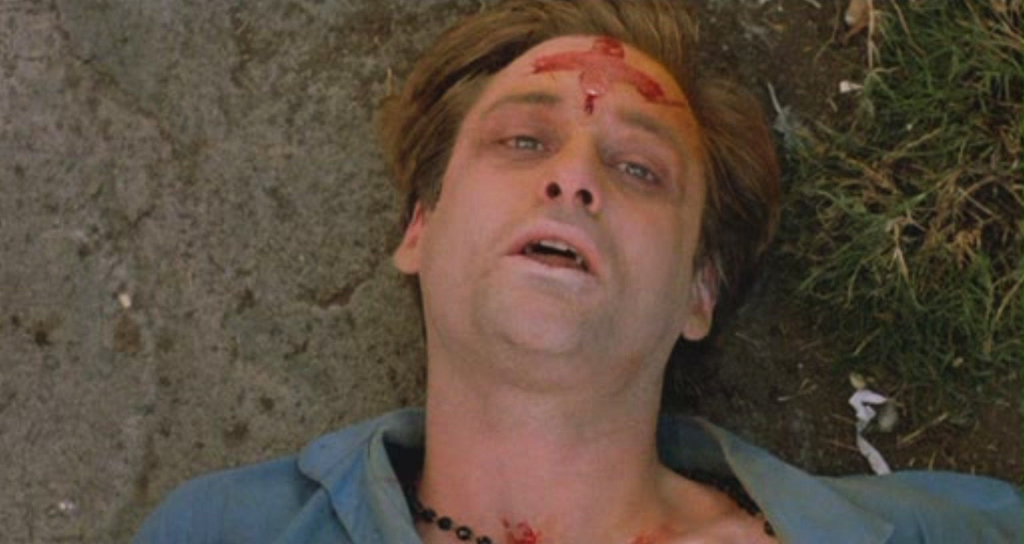
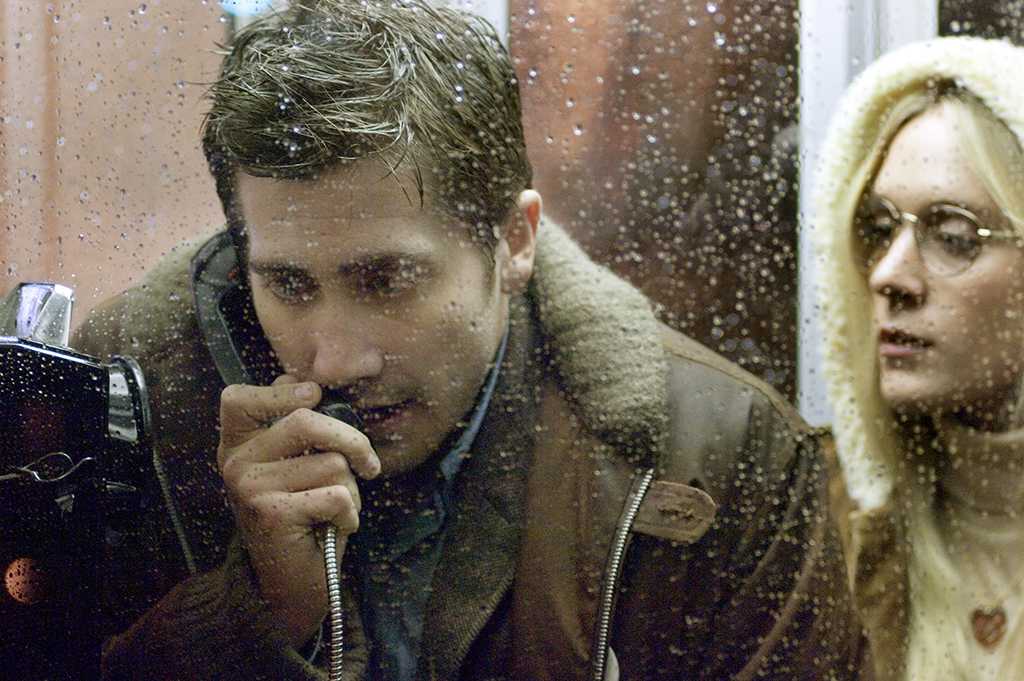
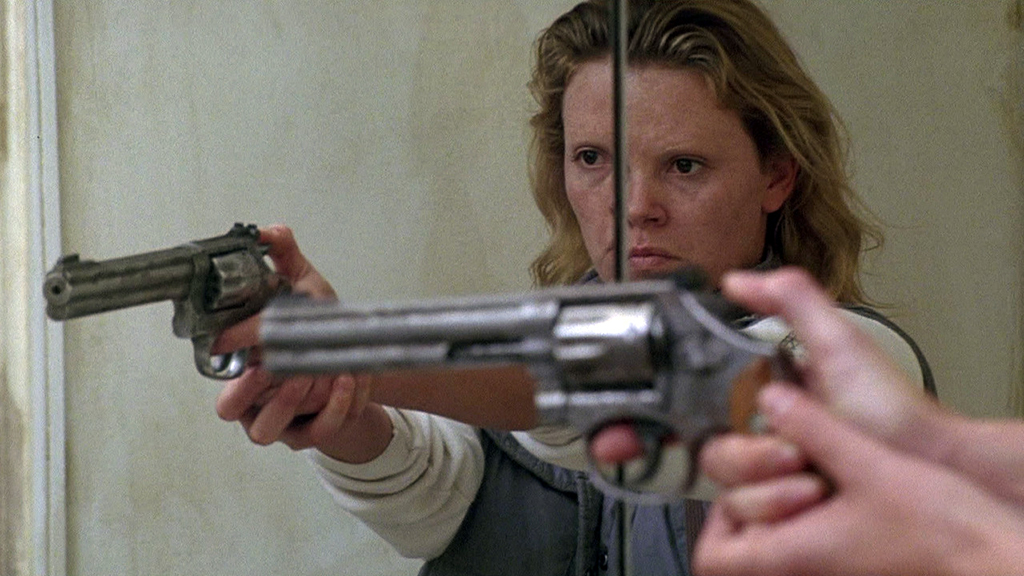
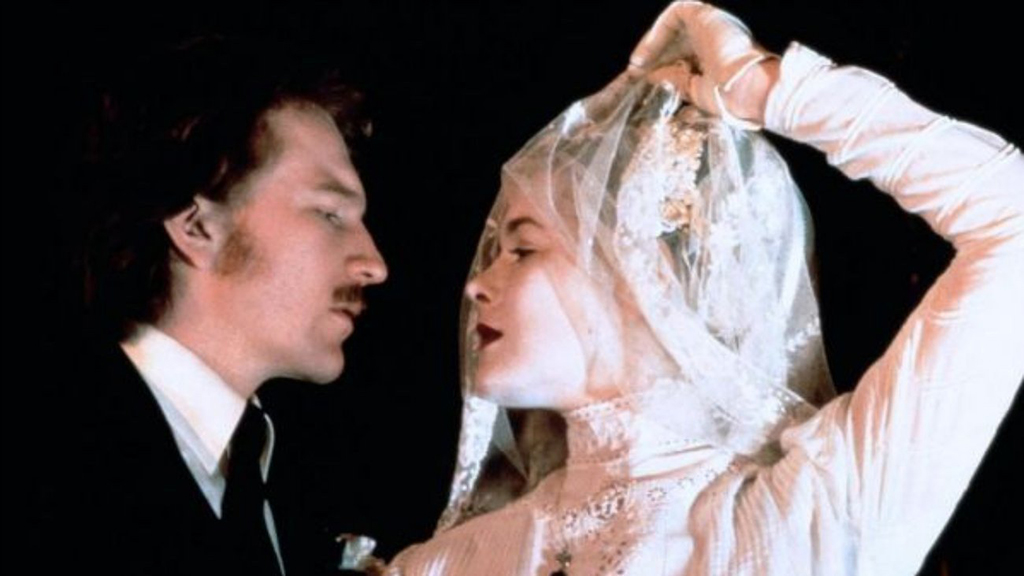
The Goddess, as I may have mentioned before, is a hardline skeptic down to the very depths of her shriveled black core. But wait, I may hear the peanut gallery insisting. Didn’t you just write a book called The Mammoth Mountain Poltergeist, which you maintain is a true story? And aren’t you at this very moment working on a new book with parapsychologist Steve Mera about yet another true poltergeist account? Yes and yes, and also, don’t question me, mortal. While I’m willing to entertain the scientific possibility that there’s some weird shit the human brain is capable of that may account for so-called “poltergeist” infestations, and while I absolutely believe that the GoH’s and Steve Mera’s accounts of their experiences are 100% genuine, I have to say that in the vast, vast majority of cases of purported hauntings and poltergeist attacks, I firmly believe that the witnesses were probably mistaken, or misattributing natural phenomena to paranormal shenanigans, or straight out making the whole thing up for attention.
All that said, I love me some paranormal TV shows, if only for the sometimes creepy but usually unintentionally hilarious entertainment they provide. The GoH is also a big fan, and in fact, for his birthday a couple years ago, I bought him a box set of the first four seasons of “A Haunting,” and he has watched those discs so many times that I think we can both recite most of the episodes from memory. The newer shows aren’t quite as fun as the older ones, as it seems like the producers are constantly trying to top themselves with crazier and crazier shit until any semblance of believability has flown out the window, but we still find them fairly enjoyable to watch and dissect.
When you’ve seen the episodes as many times as we have, though, you start to notice definite patterns and formulas to the stories they choose to re-enact. Not all of the episodes adhere to the formula strictly; there are a couple of wild cards in the lineup, but I can safely say that roughly ninety-five percent of “A Haunting” episodes feature one or more of the following tropes:
1. The Women and/or Children in the Family Start to See Weird Shit First, and the Husband Doesn’t Believe Them Until He Either Sees It Himself or is Possessed by a Demon
This is probably the most common attribute of the stories by a significant margin. In a great majority of episodes, the husband/boyfriend works nights (who knew there were so many dudes working the night shift?) or is otherwise not in the house very much to witness the phenomena. I’m not sure why so many of the families featured on the show adhere to the traditional “man works while woman stays home” structure, since I know so few families in real life who can still afford to have one spouse not in the workforce, but maybe ghosts and poltergeists are more likely to strike stay-at-home moms for some reason known only to them (they’re just in it for the play-dates, man). Or perhaps the show producers like to finagle the stories somewhat to make them “scarier” by having the ghostly shit happen to the more “vulnerable” members of the family first. I could probably write a whole book on the cultural significance of this, and what it implies about the producers’ perception of their intended audience, but I’ll leave that for another time.
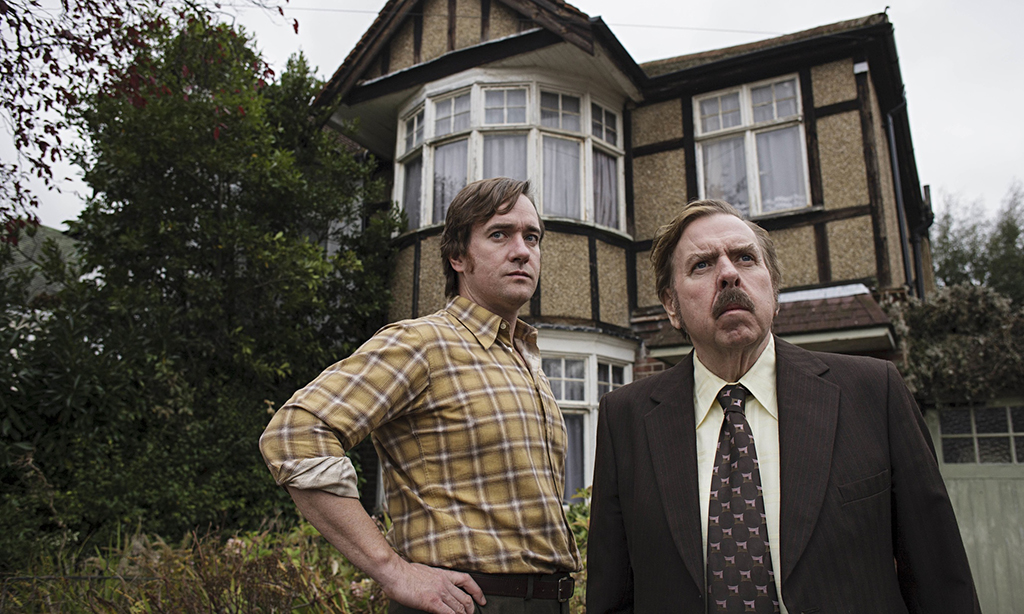
Here’s what almost always happens: The family moves into a cool old house (and it’s almost always old and in need of renovation; I guess there isn’t really anything scary about amorphous demon-shadows flitting through a modern high-rise apartment). The wife and children begin to feel uncomfortable in the place right away, and sometimes hear footsteps or voices, or notice that things are moving around on their own. Of course they tell the big manly man about their experiences, but the manly man is usually dismissive, because bitches be crazy, obviously. At one point the wife and children will beg to move out, but the manly man will pooh-pooh this idea—because he is rational and practical, dontcha know—and insist that the family’s finances are far more important than the wife and children’s safety or comfort. The wife and kids are stressed out, both by the bizarro shit happening to them and by the lack of sympathy displayed by the manly man.
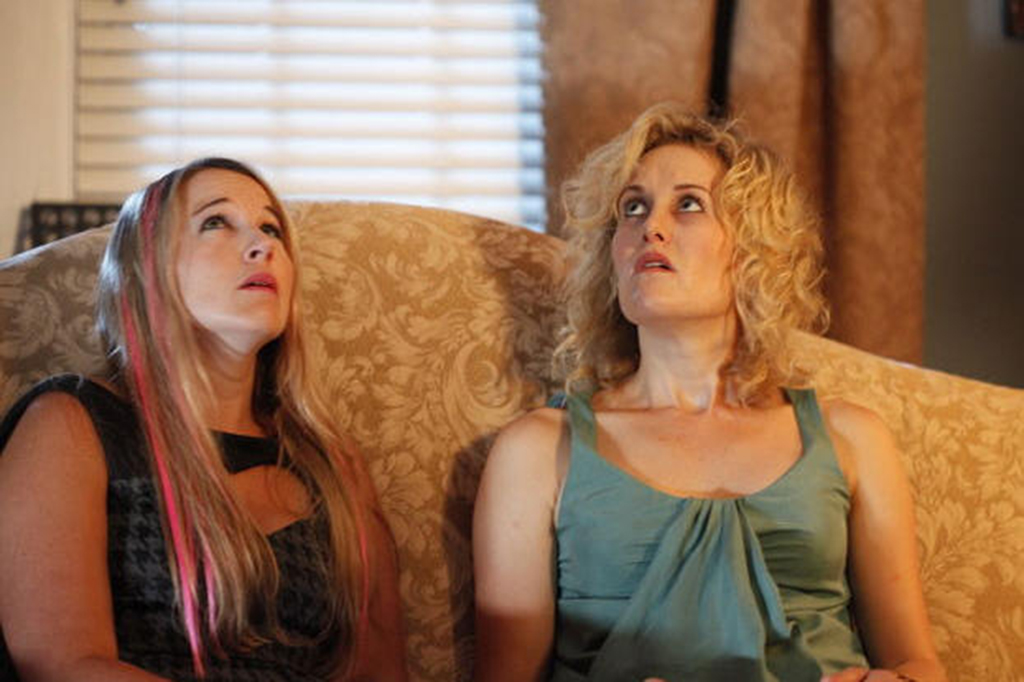
Well, we have silly lady brains incapable of perceiving reality effectively, so that eerie chanting we’re hearing up there must just be squirrels in the rafters.
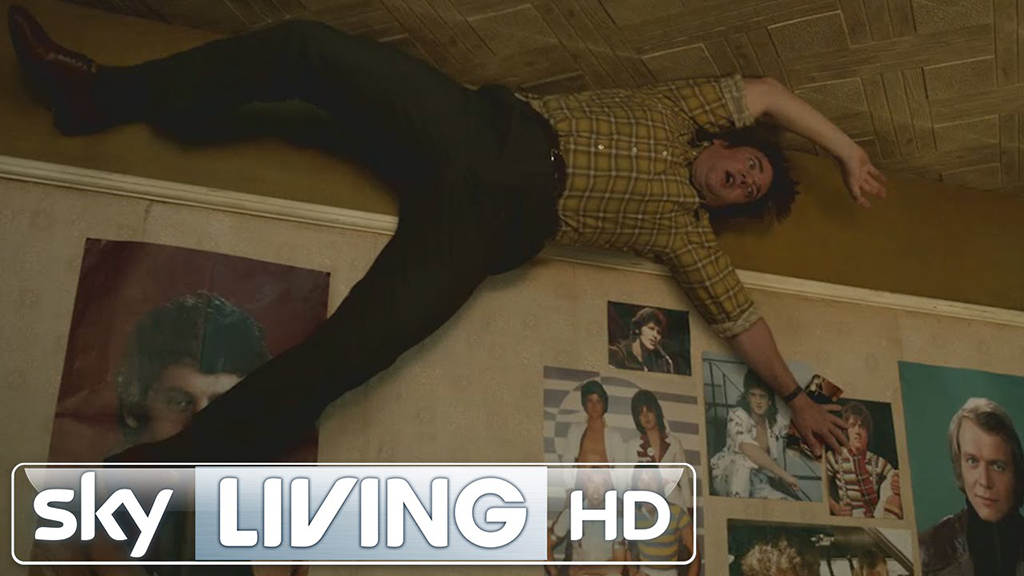
But then, about halfway through the episode, manly man will get thrown out of bed by a ghostly whatsis or otherwise have something inexplicable and dramatic happen to him that finally makes him see the light, at which point I always turn to the GoH and say, “THEY NEVER LISTEN TO THE WOMEN. YOU ALWAYS LISTEN TO THE WOMEN IN HORROR STORIES.” I think the occurrence of this that pissed me off the most happened in an older episode whose title I can’t recall (because the titles rarely correlate closely with the subject matter; see point 4). The wife, home alone of course, begins to hear what sounds like someone walking around up in the attic. She calls her husband at work and tells him, and he brushes it off, telling her it’s her imagination. Now, at this point she’s not even saying that there are ghosts up there, yo. She just hears what she thinks is a person, probably a murderer, walking around in their house. AND THE HUSBAND DOESN’T WANT TO COME HOME TO HELP HER. Imma tell you something for free: If I was home by myself and heard somebody WALKING AROUND IN MY ATTIC, you can bet your diamond-encrusted Ouija board that the GoH would be home as fast as his little motorcycle would carry him, and before you could blink he would be pounding up those stairs with loaded gun in hand, demons or no. Don’t hang with dudes who evidently don’t care if you get sliced up by an attic psycho, ladies. Y’all deserve better than that.

A demonic hellbeast emerging from the toilet, you say? Good God, woman, can’t a man nap in peace???
There is also a variation on this theme in which manly man slowly starts to become possessed by the entity in the house, often without realizing it. This variation appears in the GoH’s favorite episode, “The Haunting of Summerwind,” in which hubby Arnold begins to go batshit, playing an old organ at all hours of the day and night, losing his job and all his money, and turning into a general garbage person who shrieks at his family for perceived slights and kills their pet raccoon purely out of spite (and you’d better believe that a crazily-screeched “WHERE’S THAT RACCOON?!?!” has become a common joke in the Hellfire household; it works in a surprising number of circumstances). There was also another episode where the manly man was evidently overtaken by a particularly assholic spirit and then tried to kill his wife with an ax. So that’s nice.

And I’m right here, by the way. Hi.
2. Even if the Main Spirit in the House is Benign, There Will Always Be Another Evil One Lurking in There Somewhere
Obviously, because this show is supposed to be scary, a sweet little helpful ghost who causes no distress and simply whooshes through the halls being all translucent and adorable just ain’t gonna cut it. There have been several episodes that featured a sad little kid ghost (“Sallie’s House” is probably the most obvious example), but you can bet that where sad little kid ghosts appear, evil murderer ghosts are never far behind.

Don’t mind me, I’m just a harmless little spectral girl, minding her own business and not at all waiting to reveal myself as a dark minion who will claw off your face. Nothing to see here, la la la.

Well, now, that’s just rude. (Unless that says “Pie Now,” in which case, gimme.)
In almost all cases, the mean ghost is the one who killed the kid ghost and is holding the kid ghost hostage in the human realm, presumably because they enjoyed being a dick so much in real life that they thought their dickishness should continue indefinitely into the afterlife. Alternately, the kid ghost is not a kid at all, but is rather a demon from hell who cleverly disguises itself as a kid to worm its way into the family all innocent-like. Often, the demon will get to the children first using this strategy, as he pretends to be an imaginary friend who slowly reveals himself to be evil incarnate. My very favorite example of this was in the aptly-named “Demon Child,” which featured a kid named Cody and his imaginary buddy named “Man” (real creative, there, demon). Man would make Cody behave like a total bratling, throwing tantrums and peeing in his closet (so, just like a regular six-year-old boy then). Just like the raccoon thing, Man has become a go-to joke in our house, and we will often invoke him as a justification for our own terrible behavior, like so:
Me: “Did you use the last of the Almond Joy coffee creamer?!?!”
GoH: “MAN SAID I COULD!!!”
Use it yourself; it’s fun!

Man said I could force you to sit through a 12-hour marathon of The Teletubbies, mom. Deal with it.
3. A Priest Will Be Called In to Deal with the Problem, and Will End Up Making It Worse, After Which a Magic Native American Will Recommend Smudging the House with Sage
If I’ve learned one thing from watching “A Haunting,” it’s that when dealing with paranormal chicanery, you should never, ever, ever get the church involved (not that I would anyway, because I’m an atheist, but you know what I’m saying). I admit that this trope has faded on the newer episodes, because I’m pretty sure that the production company that bought the show in 2012 has a religious agenda, but it’s a fairly common plot device on the older shows. The family, at the end of their tether due to the entity-based zaniness, will call in a priest when they have exhausted all of their other ideas. The priest will arrive, looking all pimpin’ like they do, and either perform a half-assed blessing and/or flee from the house in terror after seeing a crucifix catch fire or some shit. Generally, the phenomena will cease for a few days after the priest’s visit, just so the show doesn’t make men of the cloth appear totally useless. But because you’ve seen this show before and because there’s still fifteen minutes of runtime remaining, you just know that the clever demon has simply lulled the family into a false sense of security before unleashing even more supernatural fuckery. You think some old codger in a dress can just come in there and sprinkle some holy water about the place and make EVIL disappear? You best think again, viewer. All the priest did was piss the demon off, and he will now rain even more infernal vengeance upon your cowering ass as punishment for your feeble attempts to dislodge him from your domicile.

I joined the priesthood to avoid work, not waste time dealing with your spiritual bullshit.
Usually, after the church has failed miserably (YOU HAD ONE JOB, HOLY MAN), someone in the family will call up a flaky psychic chick or a medicine man they happen to know, because everyone on this show happens to know one. Said mystical and new-agey personage will always recommend “smudging” the house with sage, which in practice entails lighting a big ol’ bundle of the stuff and waving it around all the rooms in a manner that frankly seems even less effective than the cross-and-holy-water combo, but what the hell do I know. Evidently, in much the way that mosquitoes are repelled by citronella candles, evil entities cannot abide the smell of sage, and will abscond through the windows at the first subtle whiff of the stuff, leaving to haunt the neighbors’ house or possess some hapless little kid who happened to be riding his Big Wheel down the sidewalk out front. But whatevs, as long as they’re out of YOUR hair, amirite? This usually works as a last resort, but on a few episodes the sage was just as worthless as the other religious voodoo, and the family is forced to extricate themselves from their mortgage or rental agreement in the most ridiculous way possible.
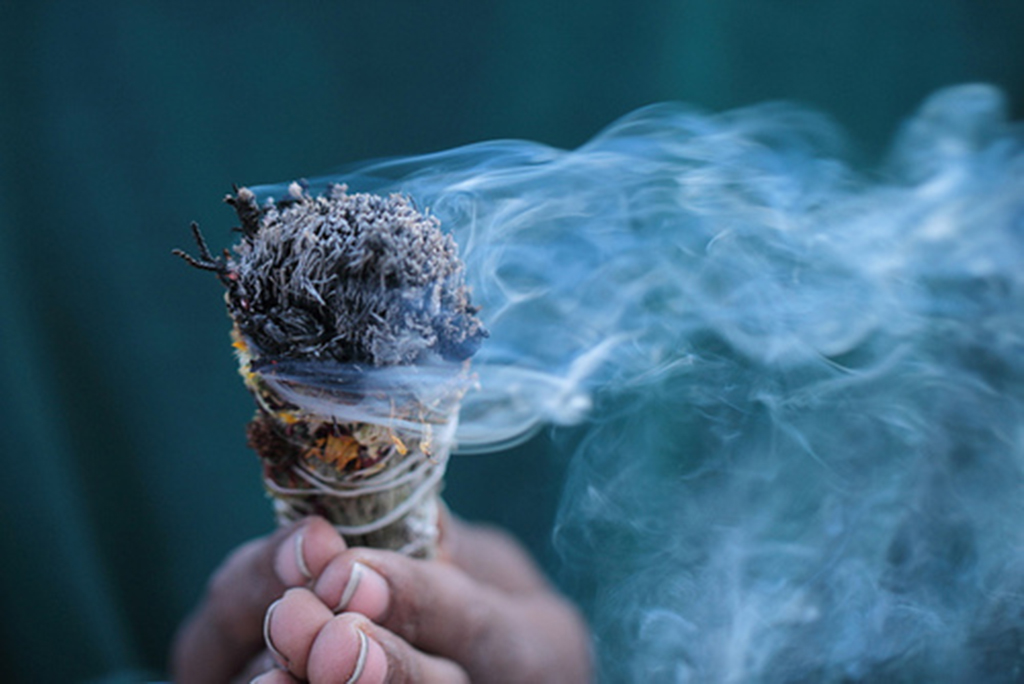
Pictured: the kryptonite of the spirit world.
4. The Title of the Episode Will Have Little to Nothing to Do with the Episode’s Content, Will Just Be Generic and Applicable to Pretty Much Any Other Episode
As many times as I’ve seen these episodes, I STILL have a hard time remembering which title corresponds to which episode, for this very reason. While a handful of shows are simply titled according to the locations where they happened (“A Haunting in Florida,” “The Wheatsheaf Horror,” “Nightmare in Bridgeport”), the rest of the shows have titles that wouldn’t seem out of place on one of those cheapie, indistinguishable, direct-to-DVD horror flicks you find yourself indifferently scrolling through on Netflix at 3am. “Echoes from the Grave” could refer to pretty much any story featured in the series’ run, as could “House of the Dead,” “Darkness Follows,” “Hidden Terror,” “The Presence,” “Stalked by Evil,” or my personal favorite, “The Diabolical,” a title made even more delightful by the fact that whenever some demon-based shit begins to happen on any episode, the GoH will turn to me, raise one eyebrow, and go, “I’m gonna have to say it. This shit is getting [dramatic pause and switch to creepy whisper] diabolical.” Trust me, it never gets old.

The Terror Echoes of the Past That Haunted the House of Nightmare Horrors from the Darkest Pits of Hell, next on Destination America.
5. At Some Point, a Woman Will Be Seen Doing a Load of Laundry, and Also Will Probably Find a Pentagram Under a Carpet Somewhere
Seriously, WHAT is with women always doing laundry on this show? Does someone on the production team have a Maytag fetish? It’s mind-boggling, and frankly a little, yes, diabolical. Look, I understand laundry has to be done quite often, depending on the size of the family portrayed, and I understand that since most of the women on the show are “housewives” (ugh, the 1950s called) they will end up doing the bulk of the laundry because their husbands are too busy out earning that almighty paycheck or banging hookers or scoring blow or whatever it is that they do when they’re not in the house helping out their harried and haunted spouses. I get that. I also get that when they film the re-enactments, they want to show the actress doing something productive in the house rather than just sitting around on the couch watching reruns of “River Monsters” and stuffing cheese curls into her maw (which is usually what I’m doing, if I’m being perfectly honest). But dammit, there are other things she could be doing, show writers. Aren’t there dishes to be washed? Catboxes to be emptied? Baseboards to be scrubbed? Couldn’t she be, I dunno, replacing the power steering fluid in her SUV in the garage? Learning Swahili? Synthesizing DNA? Practicing her trapeze act? Building a scale model of the Taj Mahal out of mashed potatoes? House-training her tame bonobo? ANYTHING other than gathering up her husband and children’s filthy underthings and carrying them about the house in a little plastic basket? Evidently not. For the women of “A Haunting,” it’s just one vast, endless wasteland of soiled Tuffskins and fabric softener, topped off by the occasional ass-pinch from a ghost in the eerie, lonely laundry room, which is always, ALWAYS in the dimly-lit basement (and I live in Florida, where basements are very thin on the ground, so for all I know laundry rooms are always in the basement in other parts of the country and that part of the show is entirely accurate).

Is it bad that I’m kinda hoping for a haunting to liven up this drudgery?

Use the spray starch next time, this gown is chafing like a motherfucker.
Speaking of basements, more often than not, there’ll be a ratty old carpet down there that will inevitably be kicked aside one joyless, laundry-filled day to reveal a sloppily-drawn pentagram in red paint that looks suspiciously like bloooooooood, you guys. PEOPLE HAVE BEEN TOYING WITH SATANISM IN THIS BASEMENT, AND SHIT’S ABOUT TO GET REAL. Alternately, the pentagram will appear under some peeling wallpaper or in a hidden room at the back of a closet, but the upshot is always the same: The credulous geezers who are watching the show and taking it seriously still remember the Satanic Panic of the 1980s and will proceed to pee their pants in terror at how some irresponsible goth kid who used to live there went and LET THE DEVIL IN. And then the poor lady on the show will have to do another load of urine-soaked laundry. Poor wives just can’t catch a break, folks.
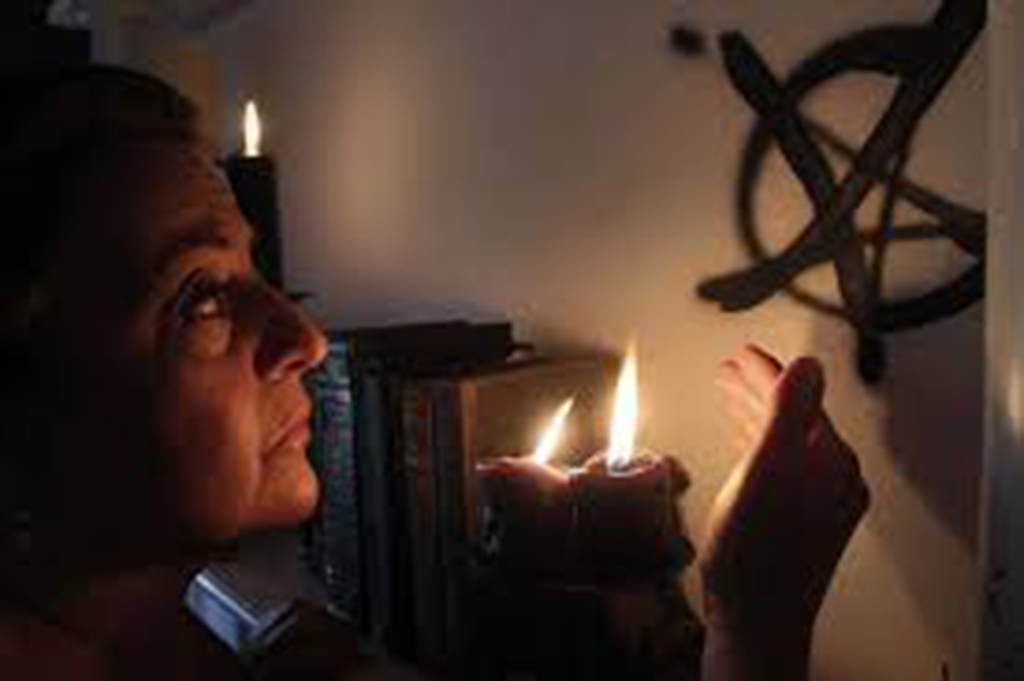
Hmmm, what could this strange symbol portend? Could it be…SATAN???
ETA: After I talked to the GoH about this blog post, he reminded me of a couple of other recurring amusements in these episodes that I had forgotten all about! For example, the music on the soundtrack, he points out, will always match the person on screen in the most obvious way imaginable. Asian dude? Plinking “Chinese” music. Native American? Tribal drums and chanting. Priest? Something that sounds like Enigma. Likewise, a successful exorcism of the entity will always be accompanied by a heavenly light and the sound of an angel choir, especially in the newer episodes. It’s pretty egregious and funny; watch for yourself! Also, he notes, whenever the family in the re-enactment has a teenage daughter, the cameraman will linger juuuuuust a little too long on her pert teenage booty, even if her character is supposed to be fourteen years old. Eeeewwwww.
Hope you’ve enjoyed my fanciful ramblings, and remember, the book I co-authored with the GoH, The Mammoth Mountain Poltergeist, is available in print and ebook formats, and is guaranteed 100% priest, raccoon, and demon free. Until next time, keep it creepy, my friends. Goddess out.

God love the Warrens.