Farting around with some photos today, considering doing some new promo postcards. For what, who knows. But I like how they came out, anyways, so now you have to look at them too.
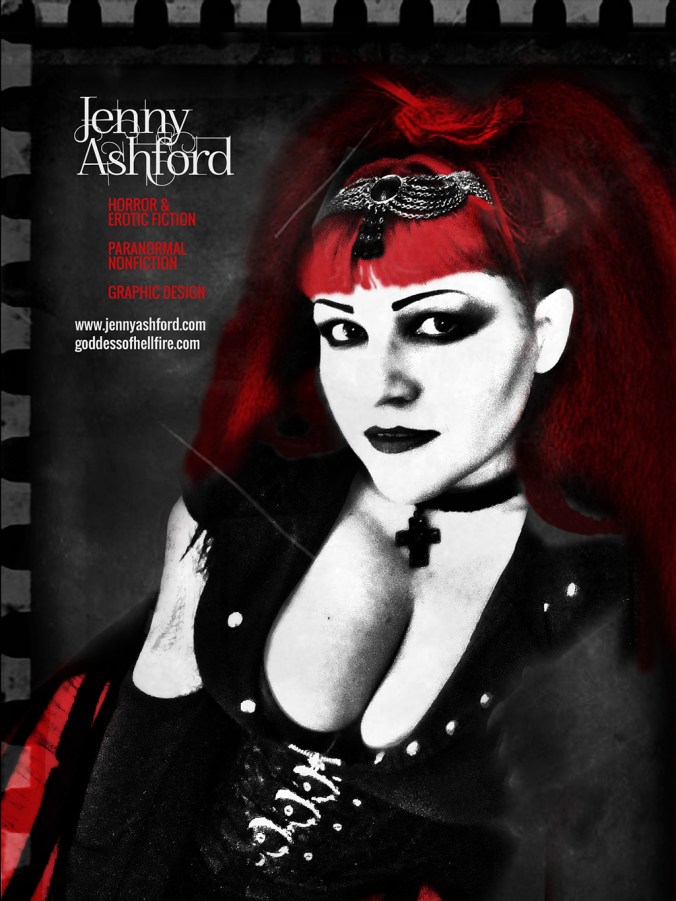
Farting around with some photos today, considering doing some new promo postcards. For what, who knows. But I like how they came out, anyways, so now you have to look at them too.
The cause of evil never rests, as all of you know, and as a card-carrying emissary of said evil, I work tirelessly to bring you, my minions, the most enjoyable nastiness that my fevered brain can vomit up. Yes, I bestow upon you small nuggets of nefariousness in the form of these here blog posts (and I will have a new Scary Silents up by the beginning of next week, I promise; it will either be about The Sealed Room from 1909 or Dante’s Inferno from 1911, so sit tight), but there is so much more, darklings, and perhaps you don’t realize the extent of my iniquitous empire. If you’ve read any of my previous ramblings, you’ll know that I often piss and moan about how busy I am, so for your edification, I’m gonna outline exactly what I’m doing with all my malevolent hours. So here, in handy-dandy list form with pictures and links and everything, are the ten projects the Goddess has going on right now:

1. Something Old, Something New
Like any writer, I have a fuckton of unpublished bullshit lying around on the sofa, not helping out with the rent and just generally being useless wastes of space. In order to make these shiftless little word-bums earn their keep, I’ve decided to put out a NEW print book containing a veritable gumbo of goodness: New short stories! Older short stories that appeared in anthologies years ago that you probably didn’t read! Unpublished screenplays! Even modified versions of some of my favorite posts on this very site! At the moment, the book’s working title is Salmagundi, but I might change it if I think of something better, which I probably will. It’s gonna be an epic compilation of my various brain leavings and obsessions, and you’ll all need to buy copies for everyone you know for the upcoming holiday season, or else Jesus won’t bring you any presents and Santa Claus will let his reindeer shit in your rain gutters. I will, of course, be posting the link when this literary milestone drops, so keep your eyeballs peeled.

2. Mammoth Mountain Mischief
By now you all know that the book I co-authored with the God of Hellfire, The Mammoth Mountain Poltergeist, is the best poltergeist book ever penned and will bring about world peace in our lifetimes. In my frazzled, half-assed way, I try to promote the thing, mostly through paranormal-type radio shows and podcasts (such as here, here, and here). The GoH and I will soon be appearing on yet another one of these, the UK-based Keeping the Paranormal Friendly show! Tune in on Sunday, August 9th at 4:00pm Eastern Time and watch our sexy, Skype-enabled mugs flapping our jaws about the book. Then buy a copy in print or Kindle, goddammit.

3. More Paranormal Hijinks
As I believe I’ve mentioned a few times before, my above-mentioned foray into paranormal nonfiction drew the attention of British parapsychologist Steve Mera of MAPIT, and I am working with him on a book about the Rochdale poltergeist case from 1996. I’ve written the bulk of the narrative, and now the first draft of it is in Steve’s hands so that he can correct details and add his own insights. I’m not sure when this will be done, but it will definitely be soon, so again, keep watching this space.

4. Dirty, Filthy Sex
Since some of my horror stories veer into erotica territory, I’ve been toying with the idea of starting a series of straight-up erotica tales (which, since it’s me, will likely have horror elements, because I just can’t seem to help myself). These will be longer short stories, published as ebook exclusives and sold for about 99 cents each. I will also probably write them under a pseudonym, just to keep everything kinda separate, but I’m not gonna make a big secret about what the pseudonym is (when I decide on one, that is), so I’m not trying to be sneaky or nothin’. I’ve written part of an erotic short story so far, and hopefully I’d like to get to the point where I’m cranking out at least one a week. Keep the lube and tissues handy for the first moist installment!

5. Ambition, Thy Name is Goddess
Christ on a cream cracker, I’m already worn out and I’m only on number five. But this here is a project I’ve been mulling over for years, and I hope to have it come to fruition fully in 2016. It’s going to be a serialized novel/interactive mystery that spans several mediums. I don’t want to go into too many details, because I’m still working everything out, but I’m very excited about this and hope I can do it without fucking it all up. I’ve already got gobs and gobs of notes, layouts, designs, video scripts, and so forth; the logistics of it are complicated, but I think it’ll either turn out super cool and make me a beloved horror sensation, or flop spectacularly into a wet diarrhea fart of insignificance. Either way, it’ll be fun for me to do, so, y’know. *shrug*

6. Cooking With Satan
Here’s something you might not know: In addition to being a writer, I am also a graphic designer. Here’s another thing you might not know: I have cool-as-shit friends. One of these friends is the motherfuckin’ Vegan Black Metal Chef, who is rad and metal as fuck and has an awesome YouTube show where he cooks delicious vegan vittles whilst he serenades you with ear-bleeding death-metal tunes that describe the recipe so that you may follow along in your own kitchen/dungeon. Subscribe to him, he rules. Anyway, I have been working with him for the past several months to design a cookbook as epic as his show is, and we’ll be coming down the home stretch in the next couple months. By the way, he has a Patreon, so throw some filthy lucre in his direction. The book is gonna be badass, and seriously, you don’t have to be a vegan to want to cook some of this shit in here, because all of it is devilishly delectable. *horned hand salute*

7. All About the Club Life
Speaking of cool-as-shit friends, I have another one known as DJ Lavidicus, and he hosts the best monthly goth-industrial night in central Florida, Memento Mori at Independent Bar in downtown Orlando. Great music, great crowd, great vibe, and if you’re in the area, you need to check it out as soon as you can. The GoH and I always make an appearance, and we also have a hand in promoting the night and the scene in general! I design all the posters and promo materials! The next one is going to be on Monday, August 17th, but go to the Facebook page to keep up with dates and make requests! (Might as well check out the Facebook page I run with the GoH too, Our Gothic Orlando, while you’re at it, and also check out Cold Therapy, the band featuring the beautiful wife of DJ Lavidicus, Jen Draven.)
Oh, and I can’t mention Memento Mori without mentioning our other beloved monthly scene night, Escape at Southern Nights! Hosted by some talented and batshit insane friends of ours, it tends more toward fetish, with outrageous costumes, monthly themes, sexy dancers, crazy game shows, and general debauchery, so kindly stop by, say hello to the GoH and myself, and maybe have a chance to go up on stage and get playfully molested by a giant bunny! Here are a few videos to whet your appetite!

8. I Know People in Bands Too, You Guys
Speaking of that graphic design work I do, a large percentage of it comes from my amazing friend Imani and her company, Valkyrie Management. She manages tons of (largely) death metal bands in the area, and she’s always got shows going all over the place, for which I design several posters, tickets and T-shirts every month. Check out her page, check out her bands, go see some of them play! Live music, motherfucker!

9. Looking for a Handout
If you have a few meager pennies left after tossing money at everything else on this list, won’t you consider dropping a few into the coffers over at my Patreon page? You can get free books and other cool shit, and I promise it’ll be a couple bucks well spent. COUGH IT UP, PEONS. Ahem. I mean, thank you in advance.
10. Oh Yeah, That Nine to Five Thing
Did I mention I also have a full-time job doing graphic design at a printing company? I’m not gonna tell y’all where it is, though, because you might stalk me. 🙂
And now, back into the fray. Until next time, keep it creepy, my friends. Goddess out.
I told you guys I’d be back to this blog shortly, and here I am. Before I get into today’s post, I wanted to acknowledge the horrible news I heard earlier this morning: one of Nick Cave’s 15-year-old twin sons, Arthur, has died in a tragic accident, falling from a cliff in Brighton. As I’ve written before, Nick Cave is a musical and literary hero of mine, and I cannot begin to imagine what he and his family are going through right now. For what it’s worth, I extend my most heartfelt condolences.
And now on to less soul-crushing subjects. It is perhaps fitting that I chose today to focus on childhood books I loved and that helped to shape my writing identity. These ten books, among the hundreds I read growing up, have stuck with me for various reasons over the years, and I would recommend any of them unreservedly to older children and adults alike. To make the experience more authentic, I even tried to find the cover art I remembered for each book, though I failed in a couple of circumstances, because the 60s and 70s were a long time ago, folks. So, without further ado, here they are, in descending order:
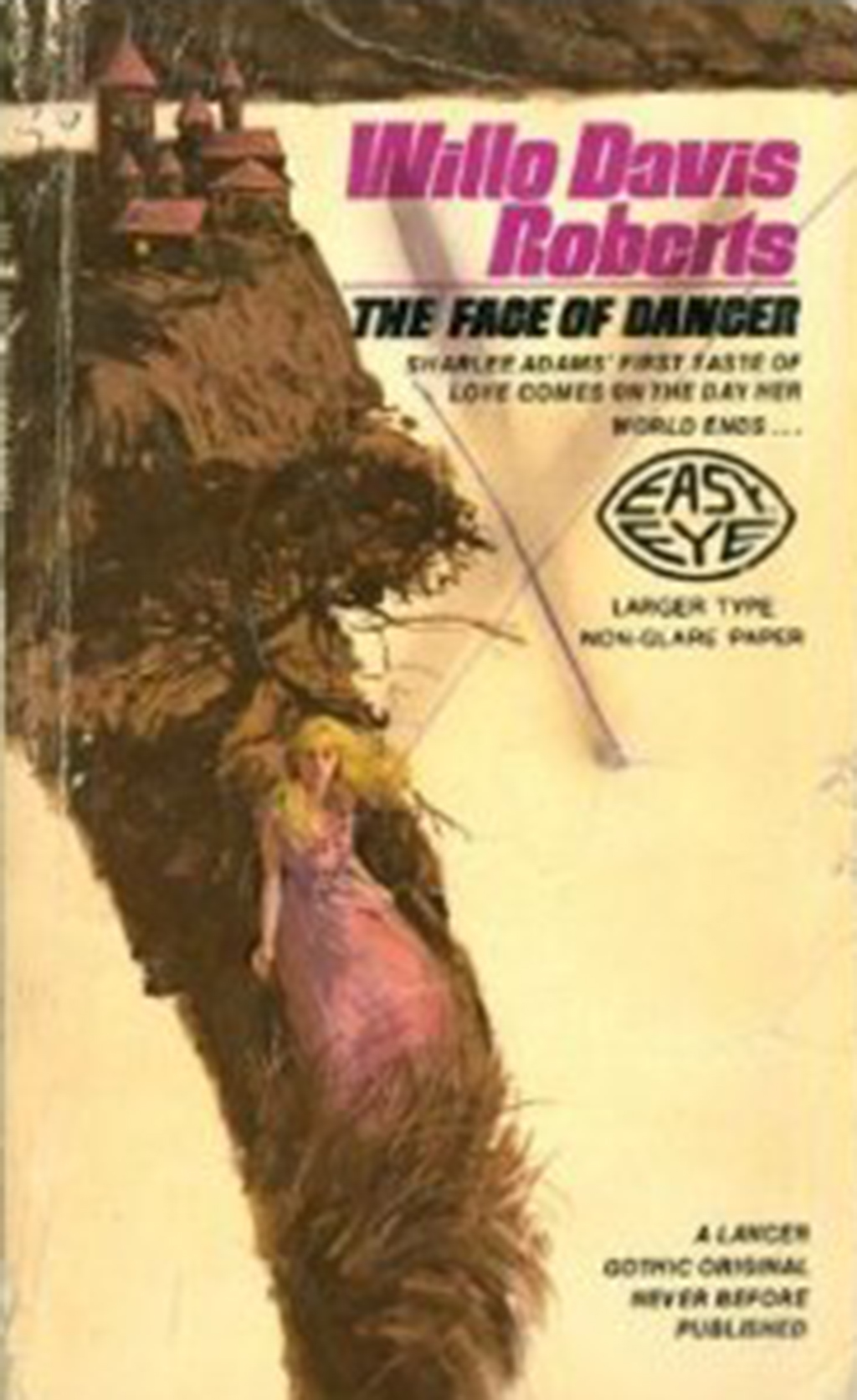
10. The Face of Danger by Willo Davis Roberts (1972)
I have no idea why this little trade paperback made such a lifelong impression on me, but such are the quirks of the writer’s brain, I suppose. It’s not strictly a horror story, being more of a gothic thriller/mystery type of thing, and it’s not really for children either, I guess, but after discovering it in one of the towering piles of books in my grandfather’s old house, I read it over and over again in total and abject fascination. It tells the tale of a homely woman named Sharlee whose face is so drastically disfigured in a car accident that plastic surgeons are basically obliged to give her an entirely new face, one that is strikingly beautiful. I was transfixed by the idea of a lifelong plain Jane suddenly being thrust into the entirely unfamiliar milieu of the beautiful people (and all their fabulous gowns, not gonna lie), and the struggles that ensued. Sharlee is whisked away to a remote mansion by her new, wealthy suitor, where it comes to pass that there’s some pretty shady shit going on with the family she meets there, relating back to the woman whose visage hers was modeled after. I haven’t read this in years, but I remember it being pretty harrowing in a “dark romance novel” sort of way. Fun fact: While I was researching this blog post today, I discovered that Willo Davis Roberts also wrote one of my other beloved childhood books, the profoundly depressing child-abuse saga Don’t Hurt Laurie. I was kind of a morbid kid, you guys.

9. The Ghost of Opalina, or Nine Lives by Peggy Bacon (1967)
I must have checked this out of my elementary school’s library at least a dozen times. I adore ghost stories, and I adore cats, so a book that combined those things was of course going to be like a magnet to my wee, nugget self. It’s essentially a frame story about three children who move into a rambling old house and find a talking ghost kitty with glowing opal eyes in the attic. Opalina, as she’s called, tells them all about her nine lives and the people who had lived in the house over the decades. Even though I was never a huge fan of “historical” fiction growing up, I was absolutely spellbound with this one, and I remember the illustrations (done by the author) being charming as well.

8. The Ghost of Windy Hill by Clyde Robert Bulla (1968)
This little blue hardback was a frequent resident of my backpack and bedside table after I bought it from one of those wonderful book fairs Scholastic periodically held at my school. If I remember correctly, there didn’t actually end up being a ghost in the story (and please correct me if I’m remembering it wrong), but there was a fantastic creepiness about it just the same: The old drafty farmhouse, the mysterious woman in white with her rag bag, the tragic Bruno and his horrible father. I have a vivid memory of the mentions of the spring house (which I had never heard of before and found intriguing), and the placing of bells on the doorknobs to try to catch the “ghost.” Good stuff.
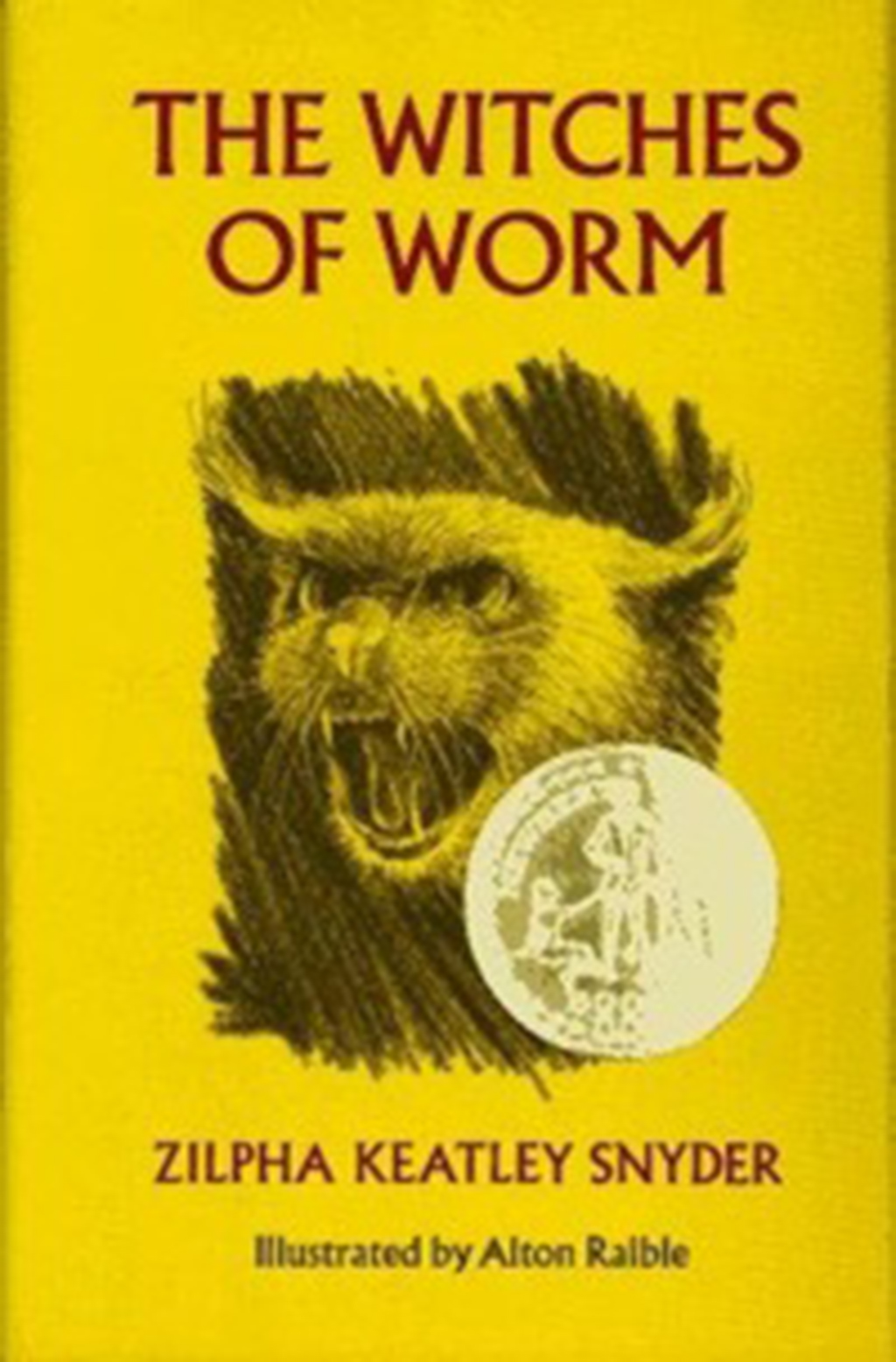
7. The Witches of Worm by Zilpha Keatley Snyder (1972)
More feline frights! Jessica is a cat-hating pre-teen who finds a blind, hairless little kitty she grudgingly adopts and contemptuously names Worm. But apparently there’s more to Worm than meets the eye, because soon afterward, Jessica begins behaving strangely, as if the cat is possessing her and making her do terrible things. Is Worm a witch’s familiar? Is Jessica projecting her own unhappiness and destructiveness onto the defenseless animal? It’s a fascinating psychological study that never clearly states whether there’s anything supernatural going on. As an aside, I believe this was the first audio book I ever listened to (on a series of cassettes, because I am old).
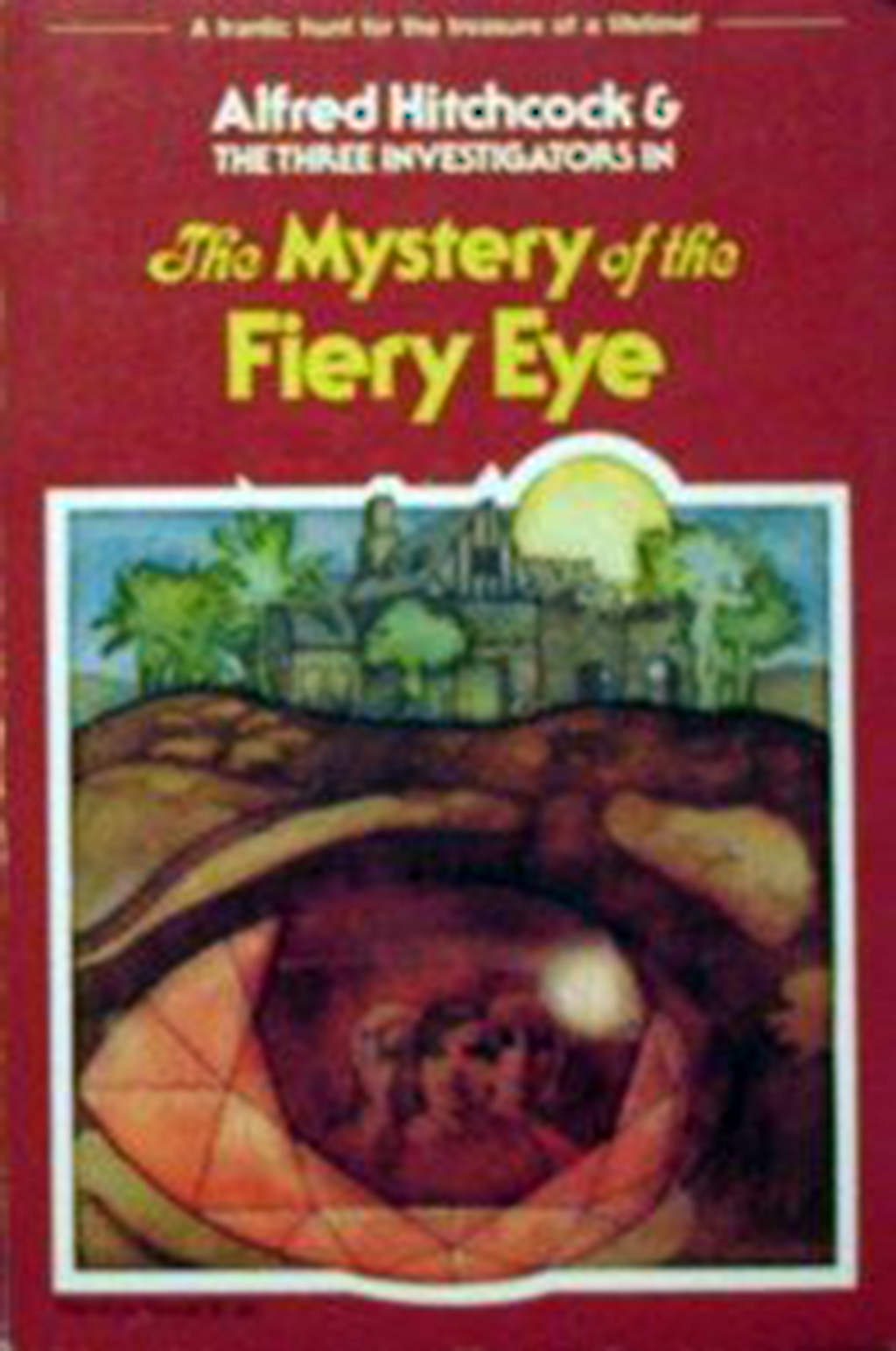
6. The Mystery of the Fiery Eye (Three Investigators Classics) by Robert Arthur (1967)
I was a big fan of the Alfred Hitchcock-sponsored Three Investigators series. They struck me as much cooler than the Hardy Boys books, which always came across a little too goody-two-shoes for me (I was also way more into Trixie Belden than Nancy Drew, but that’s neither here nor there). I read most of the 43 books in the series at one stage or another; I think I felt an affinity with chubby smarty-pants Jupiter Jones, and I absolutely fucking loved the idea of the investigators’ headquarters being in a trailer that was hidden under a pile of scrap in a junkyard and accessed through a series of tunnels. My favorites in the series included The Secret of Terror Castle, The Mystery of the Screaming Clock, and The Mystery of the Silver Spider, but Fiery Eye was hands-down my jam. I’ve had a long fascination with gemstones anyway, particularly rubies, and I was also enchanted by the busts of historical personages that figured prominently in the mystery.

5. The Headless Cupid by Zilpha Keatley Snyder (1972)
Snyder’s second appearance on the list. I first heard about this book on that old PBS show with John Robbins. Does anyone else remember it? He had one called “The Book Bird” and one called “Cover to Cover”, and he would feature a book or two on each episode (I distinctly remember White Fang, The Witch of Blackbird Pond, The Sea Egg, The Bridge to Terabithia, Tuck Everlasting, and Misty of Chincoteague being highlighted). Excerpts of the book would be read and he would illustrate them. I loved the crap out of that show, and though I found a few episodes of it on YouTube, the episode lists on the internet don’t mention The Headless Cupid (or Ellen Raskin’s Figgs and Phantoms, for that matter, which I also swear I saw on there), so now I’m thinking my entire childhood was a lie and I don’t know how to behave. At any rate, this book had everything that preteen me loved: weird teenage girls, possible witchcraft, a ghostly mystery in an old house. The main character of Amanda, with her pet crow, crazy braids, and silver forehead triangle, was one of the aspirational figures of my youth. I thought she was the coolest chick ever.
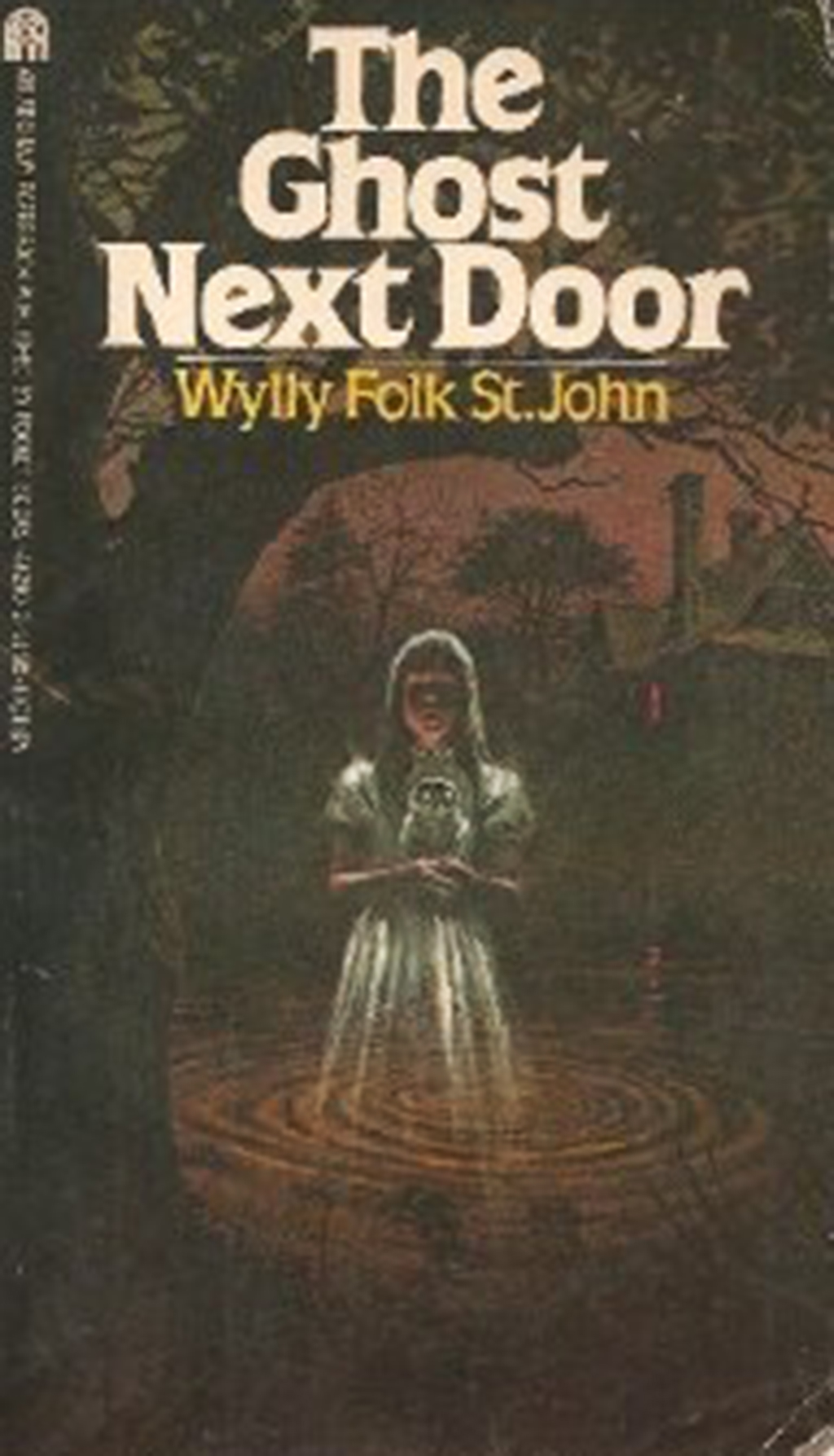
4. The Ghost Next Door by Wylly Folk St. John (1972)
I loved this book so much as a kid, and for a long time afterward I only remembered the cover and the general story outline, but not the title. But thanks to the miracle of Google-Fu, I was able to track it down and revel in the magic once again. A little drowned girl, a spooky blue rose, a cement owl with marble eyes, and that vague sense of ambiguity about whether the ghost is real all added up to a chilling read. Easily one of my childhood favorites, and one that still holds up when read as an adult.

3. Alfred Hitchcock’s Supernatural Tales of Terror and Suspense by Various Authors (1973)
I wrote a post about another of these Hitchcock-edited anthologies, Stories That Scared Even Me, right here, but this one got just as many read-throughs, and I still own a worn hardback copy of it. There are only eleven stories, but all of them are great, and I have to give it props for introducing me to what is still one of my favorite short stories of all time, “The Triumph of Death” by H. Russell Wakefield (which I discussed a bit here). Other standouts include a second Wakefield story, “Mr. Ash’s Studio,” a rare Raymond Chandler tale called “The Bronze Door,” a creepy undertaker yarn called “The Pram” by A.W. Bennett, and a horrific model-train story by Alex Hamilton, “The Attic Express.”

2. The Westing Game by Ellen Raskin (1978)
I liked all of Ellen Raskin’s books, but this one was my favorite by a mile. It’s more mystery than horror, but I was so delighted by it that for years I’ve been contemplating doing a similar puzzle-style story (it’s actually in the planning stages at the moment, though I still have a lot of bugs to work out). The characters are hilarious, the writing sharp, the mystery intriguing. I actually re-read it just a few years back and I enjoyed it just as much. A classic. Why hasn’t there been a big-budget movie of this again?
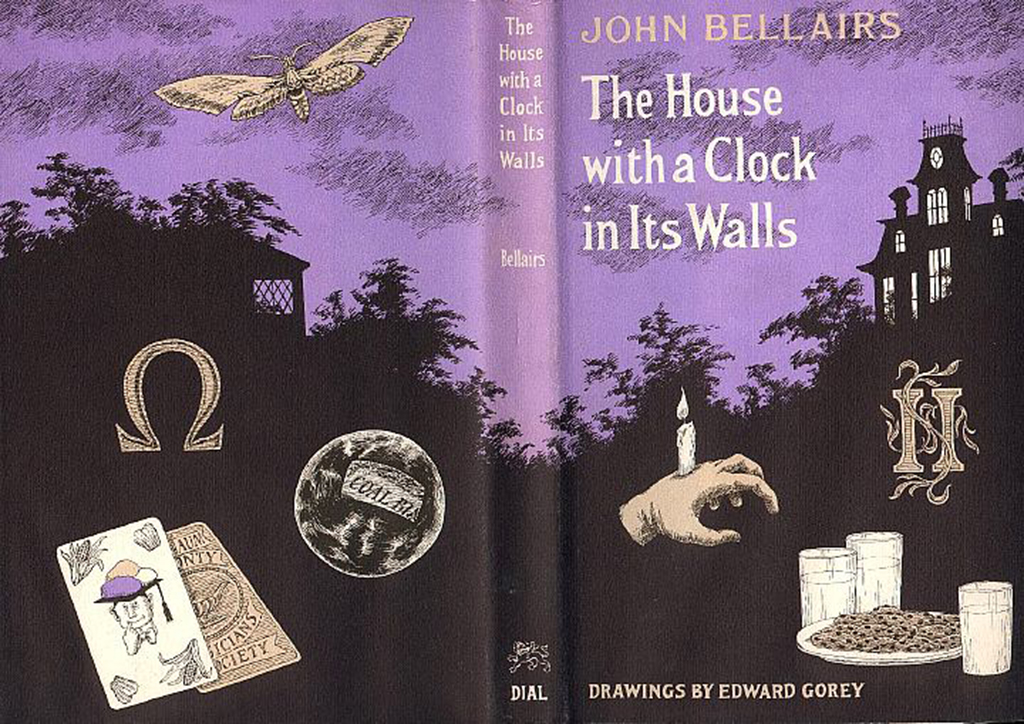
1. The House With a Clock in Its Walls by John Bellairs (1973)
If you read this previous post, you shouldn’t be surprised that this came out on top, because it’s easily my favorite young adult book of any era, and I don’t see that changing at any point in the future (sorry, J.K. Rowling and Philip Pullman). Again, it hit all the right notes with me when I first read it: There was a creepy old house with secret passages and randomly changing stained-glass windows, witches and wizards, a hand of glory, necromancy, a scary countdown to doomsday, and those wonderful illustrations by Edward Gorey. Everything about this book was magical, and every time I reread it (which I do, quite often), I am transported back to that time in my childhood when all I ever dreamed about was ghosts and witches and hauntings and delicious creepiness that I wanted to utterly infuse my life forever (which it has, to a large extent, so I’ve got that going for me). I just can’t recommend this one enough; I wanted to live in its terrifying yet whimsical world, and if offered the chance to do so now, I would not hesitate to move right into that wacky mansion in New Zebedee and pile ice cream on my hat. Just talking about the book makes me want to dive back into it and forget about reality for a while, so I’m off to snatch up my purple-globe-topped cane, peer into my history-reenacting egg, and resurrect the corpses of some evil, long-dead wizards. If I don’t bring about the end of the world through these activities, I will return with more of my nostalgic and rambling posts very soon. So until next time, Goddess out.
I can’t believe it’s been a week since my last post! Sorry about that. I really do try to keep up with this thing, but sometimes I get busy with all my other endeavors (writing, book promotion, graphic design work) and run out of hours in the day. When it finally came time to do a new post, I was scrabbling for a subject, so I just decided to do something fairly pedestrian by discussing my ten best horror films based on novels. I’m not dropping my nuts here and proclaiming that these are the BEST ADAPTATIONS EVAR, but they’re certainly my favorites, and before anyone argues, YES, I know there are lots of other great horror films that were based on books, but I wanted to showcase great movies that were made from novels that were themselves fantastic and familiar to me (for example, while John Carpenter’s The Thing is one of my favorite horror movies of all time, I’ve never read the book it was based on, and as far as The Exorcist goes, I actually thought the movie was light years better than the novel). So now that we’ve got all that out of the way, allons-y.

10. The Girl Next Door (2007)
Based on Jack Ketchum’s horrific, you’ll-need-a-shower-afterwards novel (made all the more squicky by the fact that it was based on a true story), this 2007 adaptation mostly doesn’t shy away from the more terrible aspects of the book, and is all the more powerful for it. While I admit I found the novel a great deal more disturbing, the film is a worthy addition to the evil-that-humans-do canon. Some of it is a little too aw-shucks, fifties-stereotypical, but Blanche Baker is chilling as Aunt Ruth, and the mostly young actors are great, particularly 21-year-old Blythe Auffarth as the doomed Meg.

9. Hellraiser (1987)
Adaptations of Clive Barker’s infernal works are generally hit or miss, but I think we can all agree that this is the best by a mile (though I have to say that Candyman is also in the running). Based on his 1986 novella The Hellbound Heart, and directed by Barker himself, Hellraiser is filled to the brim with sadomasochism, buckets of gore, that genius puzzle box conceit, and one of the most recognizable horror baddies of all time. While the sequels couldn’t begin to approach the original classic, it’s easy to see how the detailed world Barker created in his short work demanded much more screen time. Jesus wept, indeed.
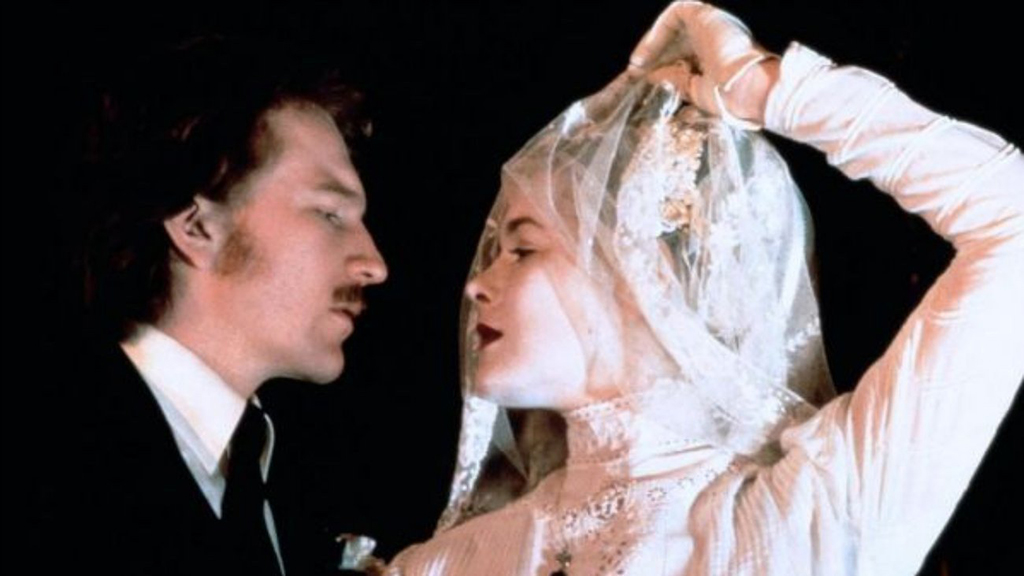
8. Ghost Story (1981)
As much as I adored the spooky, low-key adaptation of Peter Straub’s 1975 novel Julia (known as The Haunting of Julia in the US and Full Circle in the UK; you can find my analysis here), I find that Ghost Story, based on his 1979 book of the same name, just barely edges it out. The novel is so rich, complex, and over the top that the film couldn’t help but streamline the thing and leave several plot tendrils out, but I love it anyway, and I think director John Irvin was wise to focus solely on the central conflict of the book, that of the men of the Chowder Society battling the shapeshifting she-demon known by different names through the years. Some fantastically eerie scenes, and it was nice to see a band of dignified old codgers playing the heroes.

7. Stir of Echoes (1999)
I’ve talked about this criminally underrated film before, but I try to pimp it at every opportunity, because it’s so great and I’m still pretty bummed that it sorta got lost in the shuffle due to its simultaneous release with The Sixth Sense. Somewhat based on Richard Matheson’s short 1958 novel A Stir of Echoes, the film takes the basic plot of the book and builds an intensely frightening tale of hypnosis, psychic visions, and murder upon it. I’m not scared easily, but seeing this film in theaters gave me the heebie-jeebies big time, and it holds up remarkably well. Props also for the very Lynchian sound design, which ramps up the scare factor considerably.

6. The Innocents (1961)
Directed by Jack Clayton and starring Deborah Kerr as governess Miss Giddens, The Innocents is one of those rare films that wrings the scares from subtle atmosphere. Based on Henry James’s classic 1898 novella The Turn of the Screw, with a screenplay co-written by Truman Capote, the movie is chock full of spooky children, secrets, ghosts, and eerie goings-on, amplified into skin-crawling terror by the use of music, lighting, and ambiguity.
5. The Other (1972)
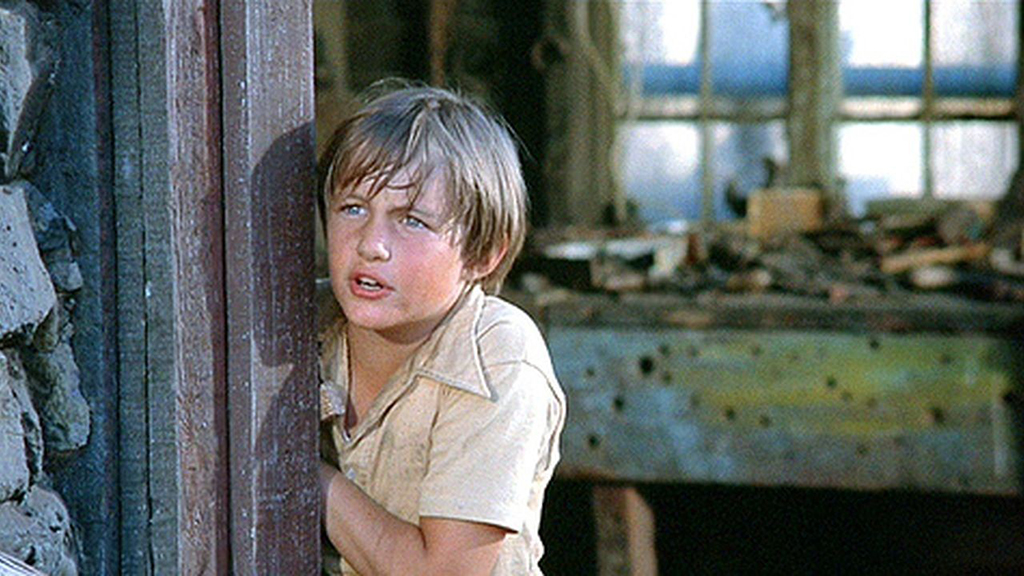
Based on former actor Thomas Tryon’s 1971 debut novel (and if you’d like to read a rundown of the lackluster adaptation of another of his fabulous novels, Harvest Home, I’ve got you covered), this Robert Mulligan-directed film is one of the best examples of the good/evil twin trope. Set in 1935 and starring Chris and Martin Udvarnoky as the conflicted Holland twins, the movie is a golden-drenched slab of uncanny mystery and horror, painted in hues of perverse nostalgia. Tryon, who wrote the screenplay, was reportedly not happy with the adaptation, but for my money the film more than did the novel justice.
4. The Legend of Hell House (1973)
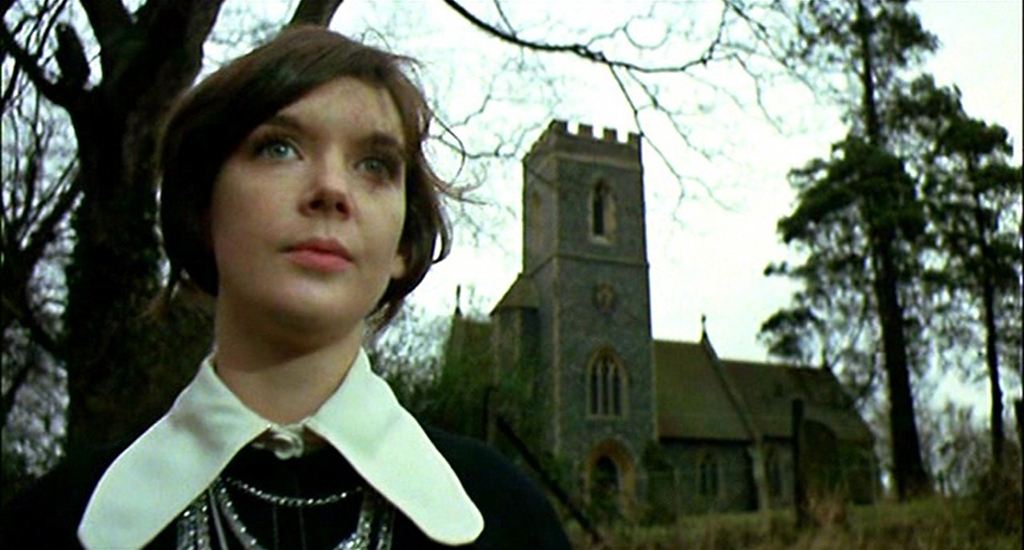
Another Richard Matheson adaptation (this time of his 1971 novel Hell House), this one takes obvious cues from The Haunting, but goes in a splashier direction with much effectiveness. Directed by John Hough and featuring great performances from Roddy McDowall and the impossibly adorable Pamela Franklin, the story takes the standard horror-movie plot of a group of ghostbusters investigating a scary house and does all kinds of weird shit with it. Baroque, overwrought, and lots of creepy fun.

3. Rosemary’s Baby (1968)
Capturing the sly, blackly comic edge of Ira Levin’s 1967 book while maintaining a sense of slowly building tension and paranoia, there’s a reason this Roman Polanski-directed classic ends up on so many “best horror films” lists. I absolutely love Ruth Gordon as the lovably terrifying Minnie Castavet, and Mia Farrow is perfect as the fragile, waifish Rosemary, a protagonist you can’t help but sympathize with and be afraid for as everyone in her life seems to turn against her. If you’re a fan of Polanski’s films, check out my previous writeup on his deliciously creepy 1976 movie The Tenant.
2. The Shining (1981)
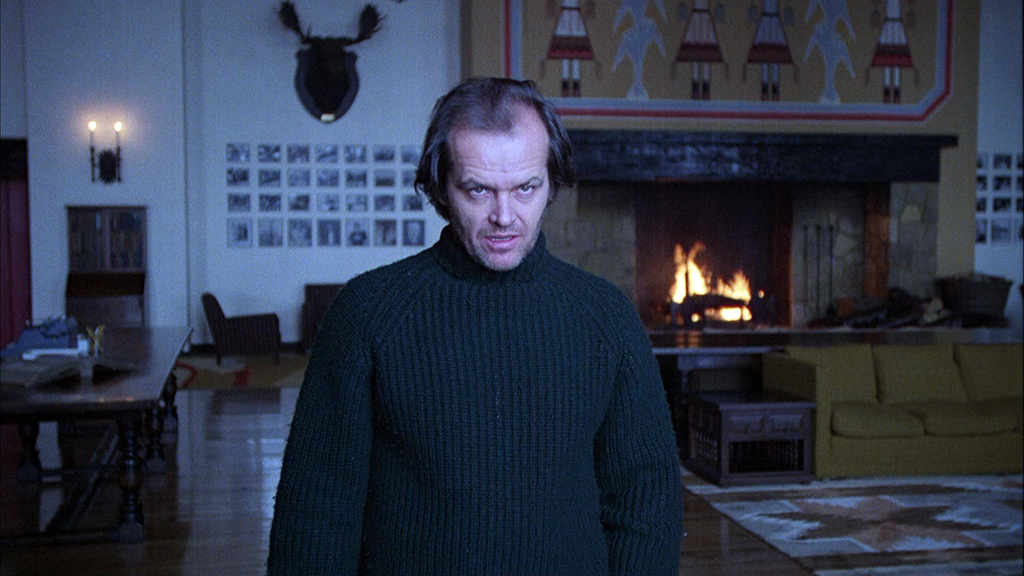
What can I say about this masterpiece that hasn’t already been said? (Well, I said this and this, but y’know.) Taking what is arguably Stephen King’s best novel and using it as a springboard to explore universal themes, myths, and existential terror, Stanley Kubrick created a timeless, iconic piece of art that still has the capacity to enthrall and horrify, more than three decades later. Easily one of the five best horror films ever made.

1. The Haunting (1963)
You just knew this was gonna be my number one, didn’t you? I admit I talk about this book and film a lot (such as here and here, for example), but that’s only because I am in awe of the subtle dread and psychological depths this story plumbs in both mediums. Based, of course, on the hands-down best haunted house novel ever penned, 1959’s The Haunting of Hill House by Shirley Jackson, the casting in Robert Wise’s masterful adaptation is spot-on, and he deftly drenches the film in chills and atmosphere while essentially showing nothing, an astounding feat and one that is right in line with the source material. I really can’t recommend book or film enough, in case you hadn’t noticed. Oh, and I mentioned this before, but skip the lame-ass remake.
And just because I can, here are twenty more that were eliminated for the sake of brevity:
The Exorcist (1973, based on the 1971 novel by William Peter Blatty)
The Hunger (1983, based on the 1981 novel by Whitley Strieber)
The Birds (1963, based on the 1952 short story by Daphne du Maurier)
Nosferatu (1922, based on Bram Stoker’s Dracula, 1897)
Frankenstein (1931, based on Mary Shelley’s 1818 novel)
The Phantom of the Opera (1925, based on the 1910 novel by Gaston Leroux)
The Picture of Dorian Gray (1945, based on Oscar Wilde’s 1890 novel)
House of Usher (1960, based on Edgar Allan Poe’s short story “The Fall of the House of Usher,” 1839)
Duel (1971, based on Richard Matheson’s 1971 short story)
Something Wicked This Way Comes (1983, based on Ray Bradbury’s 1962 novel)
The Entity (1981, based on the 1978 novel by Frank De Felitta)
Village of the Damned (1960, based on John Wyndham’s The Midwich Cuckoos, 1957)
Masque of the Red Death (1964, loosely based on Edgar Allan Poe’s short story, 1842)
Re-Animator (1985, based on the H.P. Lovecraft novella Herbert West—Reanimator, 1922)
Cemetery Man (1994, based on the 1991 novel Dellamorte Dellamore by Tiziano Sclavi)
Misery (1990, based on Stephen King’s 1987 novel)
Carrie (1976, based on Stephen King’s 1974 novel)
The Prestige (2006, based on the 1995 novel by Christopher Priest)
The Lair of the White Worm (1988, loosely based on Bram Stoker’s 1911 novel)
Horns (2014, based on Joe Hill’s 2010 novel)
Keep it creepy, my friends, and until next time, Goddess out.
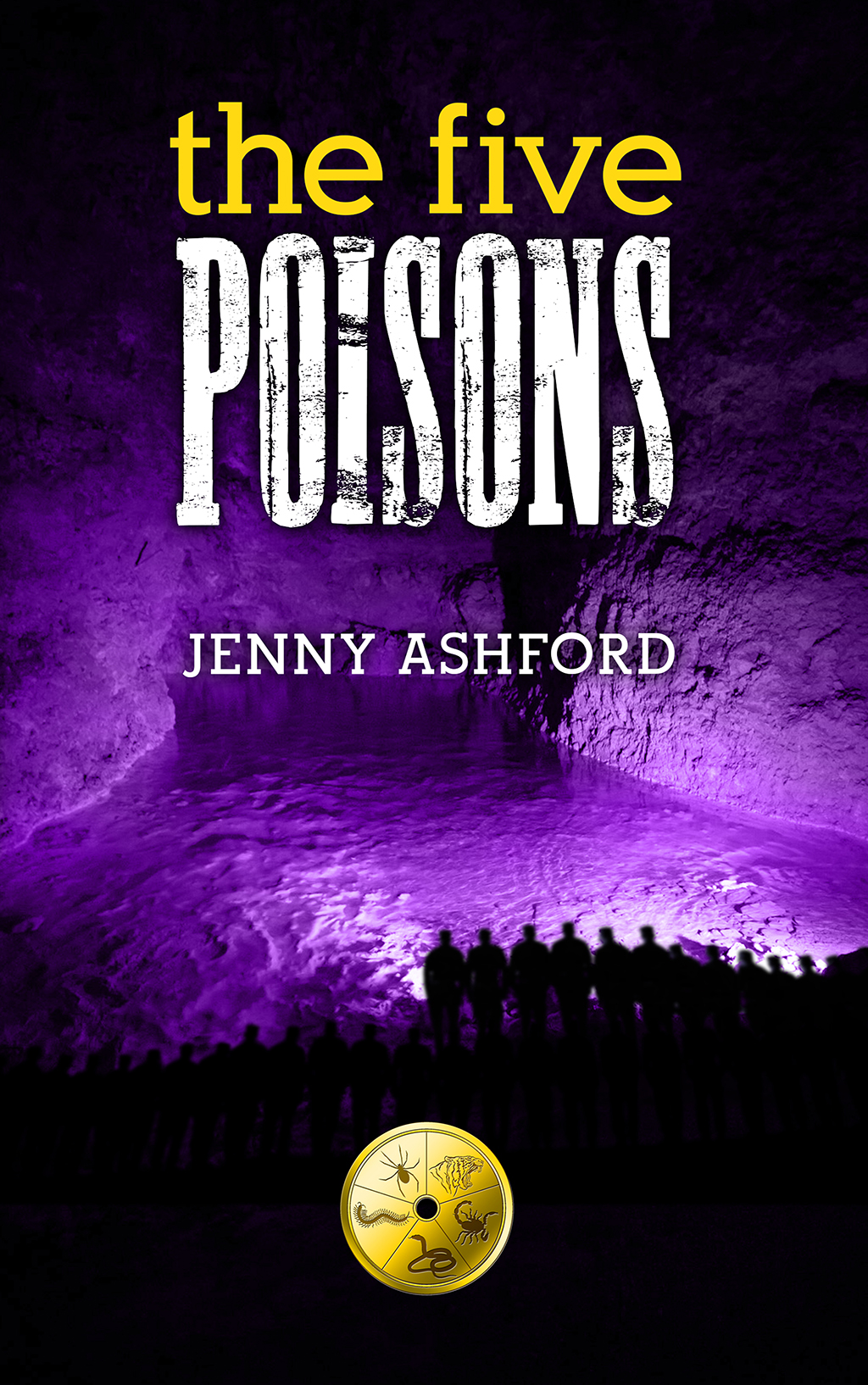
My 2014 novel The Five Poisons is now available on Kindle for $2.99! And this concludes my Kindle project; I’m not doing a Kindle version of The Tenebrist because it’s all graphically designed and shit and you really need to see it in print to appreciate it, so nyah. But other than that, have at it, ebook peeps!
I told you guys I was Kindle-izing all my older books, and here is another one! My 2009 short story collection Hopeful Monsters is now available on Kindle for the low, low price of $2.99! More to come, so keep an eye out.

My 2011 short story collection The Associated Villainies is now available on Kindle for $2.99! If you always wanted to read it but didn’t want to kill trees with the print version, well, here you go. I’ll be adding more of my books on Kindle as the weeks go by, so keep watching this space.

At this point I almost feel like I should start a separate series called “Book To Movie” or something instead of just cramming these types of posts into my “Favorite Horror Scenes” series, but fuck it. Maybe I’ll get around to it; it doesn’t make much difference, I guess, but my anal-retentiveness really likes to have everything categorized neatly and correctly. The Goddess is nothing if not fastidious.
EDIT: Okay, I went ahead and did it. Not that anyone cares, but there are a couple new categories called “From Parchment to Pixel: Great Horror Books on Screen” to encompass these kinds of posts, and a “General Genre Musings” category as a catch-all for stuff that didn’t fit in any of the other classifications. Everything is correctly categorized, and I feel better now.
All that aside, here’s another discussion about a great horror novel that got turned into a mildly disappointing TV movie! If you’ll recall, I’ve done similar posts on Thomas Tryon’s Harvest Home and Stephen King’s miniseries version of The Shining. And if you’ll further recall, I highlighted today’s book in an earlier post about my favorite horror novels written by women. As you might have guessed, the subject of this post is Anne Rivers Siddons’s stellar 1978 novel The House Next Door and the surprisingly-not-terrible 2006 Lifetime TV adaptation of same. Into the breach!
Because this was made for Lifetime, the shoe-buying, chocolate-scarfing menstrual cycle of TV networks, I was expecting this adaptation to be far more cheeseball than it turned out, particularly because the source novel contains such sordid, over-the-top plot points (albeit presented in an oddly toned-down sort of way). But the movie—starring Lara Flynn Boyle and her surgically unfortunate upper lip as Col Kennedy, Zack from “Saved by the Bell” as Kim the architect, and a few other familiar faces—is actually relatively restrained, which was kind of nice to see. The book handily pulled off its ridiculously melodramatic incidents because of Siddons’s matter-of-fact delivery and pacing, but I’m not sure some of the crazier, modern-Southern-Gothic stuff would have flown in the movie; it could have easily slipped into camp. So points to Lifetime for tamping down on the more lurid aspects of the novel (although I admit I did enjoy those on the page).
The story has been modernized, obviously, to reflect the twenty-eight years between page and screen. The suburb in the movie is just presented as a generic yuppie enclave, so the more specific “old South vs. new South” themes of the book (which was set in a fancy suburb of Atlanta) are no longer in evidence. I feel like main protagonist Col Kennedy (never referred to in the movie by her full book name of Colquitt) is a bit younger than in the book, as is her husband Walker (who was named Walter in the book, which I guess seemed like an old-fashioned name, so okay), but that’s pretty standard as adaptations go. The horribly class-conscious, shallow and backbiting characters of the novel actually make pretty good fodder for a Lifetime movie, so I’m awarding more points there; some of the characters in the movie, in fact, were more likable than their novel counterparts.
The plot follows that of the novel pretty closely (and by the way, if you haven’t read the book, I’m gonna spoil it for you, so go read it real quick and then come back, okay? It’s pretty short; I’ll wait).  Done? Okay, moving on. The House Next Door is basically a frame story, with the Kennedys watching a succession of three families moving into the gorgeous, newly-built house next door, and slowly coming to the realization that the house is evil and destroys everyone who lives within it by pinpointing what the residents value or fear most and then dismantling their lives in the most spectacular ways possible. The movie is only an hour and a half long, so obviously the plot had to be substantially compressed, with incidents being combined, or one horror coming quickly on the heels of the last one. Characterization suffers, of course, and to someone who’s read the book it will seem as though shit is happening at lightning speed, but that’s a failure of the medium, really, so I’m not going to fault the movie for that. It seems they did okay within the time constraints.
The novel is told from Col’s point of view, but despite this, she remains on the periphery of the action for a good part of the book, mostly hearing things about the house next door second hand, and not witnessing anything herself until quite late in the story. In the movie, though, Col is the main character, so this outsider status wouldn’t really work. However, the screenwriter came up with what I thought was a fairly elegant solution: as in the book, Col is an interior decorator, and in the movie she gets to spend a lot of time with the families next door because they hire her to help them decorate. A totally believable approach, and a good way to get her more directly involved in the shenanigans.
As in the book, there’s a short flash-forward introduction where Col and Walker are shown leaving copies of their wills conspicuously at their house before heading over to the house next door, with Col’s voice-over explaining that they know what they’re going to do is terrible, but that it won’t matter because they probably won’t live long enough to get into trouble for their actions. Then we cut to eighteen months earlier, as Col, Walker and the neighbors express their understandable displeasure that a house is being built on the beautiful wooded lot next to the Kennedy house, and then there’s the same change of heart as they meet the hot-shit, tormented genius architect Kim (a shockingly well-cast Mark-Paul Gosselaar) and the couple that will be moving into the house, Pie and Buddy Harrelson.
The Harrelson family section of the movie was the most different from the novel, and I think most of the changes made were probably the right ones (though I’ll have more to say on that in a minute). In the book, Pie was a very young, naïve, perky cheerleader type with a bizarre, quasi-sexual relationship-cum-competition with her old-fashioned father; in the movie, only the competitiveness and spite are highlighted, with Pie telling Col that she’s basically basing her whole life around showing her father up, since Daddy never thought her husband was good enough. Movie Pie is actually much less annoying than Book Pie, which I thought was a good decision, as portraying Pie on screen exactly as she was in the book may have made her not only less realistic, but also much less sympathetic.
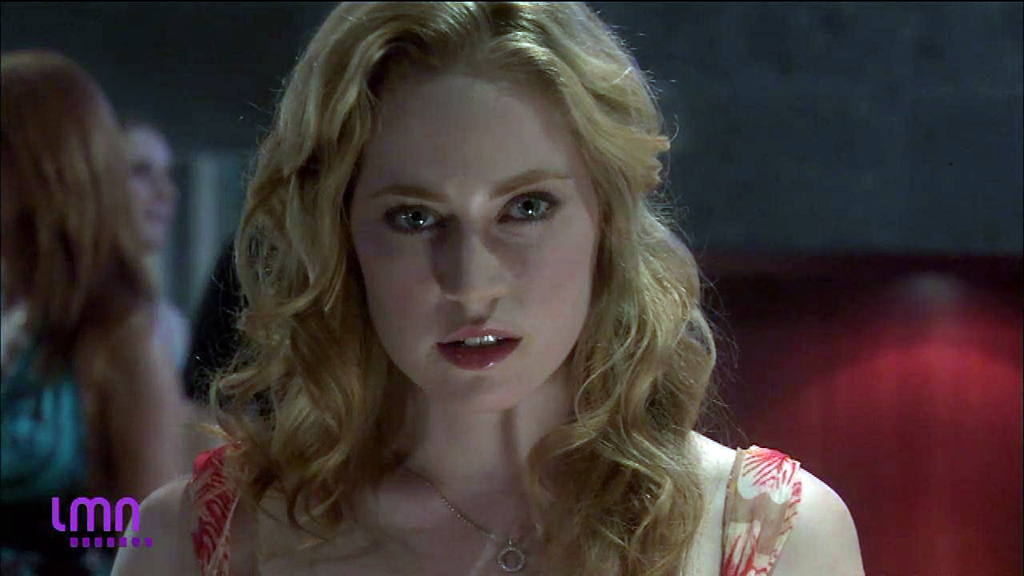
We’ve got spirits, yes we do; we’ve got spirits, how ’bout you?
As in the book, Pie is happily pregnant and unable to believe her luck at how her life is progressing. Also as in the book, Buddy buys her an adorable puppy that you just know something bad is going to happen to (especially as we’ve earlier seen Col finding a torn-up animal in her garden). Shortly afterward, the puppy is found ripped to pieces (RIP puppy), and though Pie is heartbroken, she goes ahead with a planned housewarming party, so that she can schmooze with her neighbors and show Daddy how high up the social ladder his little girl has climbed.
So here is where the movie parts ways with the book rather significantly. In the movie, everything bad that happens to the Harrelsons comes crashing down all at once; the party seems to be going swimmingly, but partway through, Pie can’t find Buddy and goes to look for him. As she is standing at the top of the basement stairs, Buddy pushes her to the bottom, possessed by some evil within the house. Col finds her and rallies the troops, Pie is carried off in an ambulance (she ends up having a miscarriage, naturally), Buddy is carted off in handcuffs and charged with attempted murder, Pie’s Daddy screams at him that he always knew Buddy was a piece of shit, and that’s the end of the Harrelsons.
In the book, however, the events had a darker and much more batshit quality. Pie actually does fall down the stairs and lose her baby at one point, but it happens earlier in the story, and she is alone in the house at the time. She is found by neighbor Virginia (if I recall correctly), and Col is summoned to help. Despite the miscarriage, Pie decides to go on with the party, since displaying her status to her Daddy is of utmost importance to her. At the party, she loses track of Buddy, but she finds him in a much less murderous frame of mind; in short, he’s indulging in some intensely ass-slapping gay sex with his law partner on the bed where all the guests have been leaving their coats. Not only that, but Pie’s Daddy has found the fuckers first, and is in the process of dying from a shock-induced stroke on the bedroom floor. Now, I can see why the movie chose to downplay the novel’s scenario; public infidelity aside, homosexuality is not shocking or immoral to anyone anymore (aside from a few knuckle-draggers), so the scene would not have played out the same in 2006 as it did in 1978. Additionally, the screenwriter likely thought that the incidents portrayed in the book would have just been too much for audiences to swallow. A caveat, though. The whole M.O. of the house, both in the book and in the film, was that it systematically took away everything that was most important to the people who lived there or came in close contact with it. In the book, the house was very specific in how it chose to destroy the Harrelsons: It took their beloved puppy, then it took Pie’s baby, then it shit all over Buddy’s professional reputation by involving him in a sex scandal with his law partner (which everyone at the party saw, by the way), then it not only had Pie’s Daddy see Buddy in such a compromising position, but it killed Daddy off too, thereby leaving Pie with her life in complete and utter shambles. So while I can see why the movie went in the direction it did, it also seemed to soften the blow for Pie somewhat, as her father didn’t die in the movie, leaving her with something of her old life left to cling to. The book left her no such consolation.

Crabgrass! My life is over! #firstworldproblems
Anyway, as in the book, after the Harrelsons beat cheeks, a new couple called the Sheehans (Anita and Buck) move in. Buck seems pretty similar to how he did in the book, but the character of Anita is quite different. In the book, Anita was a delicate, dark-haired beauty who seemed haunted by something unspoken in her past, but was eager to make friends in the neighborhood despite her still-fragile mental state. During the course of the story, we discover that the Sheehans’ son Toby was killed in a helicopter crash in Vietnam, and Anita had to be institutionalized to deal with her grief. Buck, unable to deal with what had happened, had an affair, which Anita found out about. Through counseling, the couple had reconciled and were well on their way to getting their shit together; Anita was in a much better mental place, Buck had made his amends and had newly committed to their marriage, and things seemed to be looking up when they moved into the house next door, looking for a fresh start.
In the movie, Anita was an average-looking, matronly type with short mom hair and nothing of the ethereal or mysterious about her; in fact, she seemed completely open and friendly when Col and a couple of the other neighbor ladies showed up with flowers and cake to welcome the couple to the neighborhood. Immediately, though, things start going to shit; Anita orders a pizza for the ladies, and when the pizza guy comes to the door, she freaks out, thinking her dead son (killed in Iraq in the movie) is standing on the doorstep. As in the book, she begins to receive mysterious phone calls where she thinks she hears Toby calling to her, and she eventually starts to see the helicopter accident which killed him playing on the television in the living room; unlike in the book, Col is actually a witness to one of these horrific telecasts from beyond. As I said, the plot had to be substantially speeded up due to time constraints, but it was still jarring that Anita flipped out so quickly; in the book it was a much slower progression. And in the book, this was the point where Col only started to suspect that maybe something was wrong with the house; Book Col didn’t actually see the helicopter crash on the TV, but after Buck told her about it, she checked the TV listings and saw that no war movie had been on TV at the time when Anita had seen the vision, thereby making her wonder if something more sinister was going on over there. The rest of the Movie Sheehans’ arc plays out similarly to the book; Anita keeps seeing visions of Toby and loses her marbles, then is pushed over the edge when she sees Buck and Virginia in flagrante delicto. Anita kills herself, Buck moves away, and Virginia flees the neighborhood in shame at what the house made her do.
Part three, with the Greenes, is also fairly similar. Norman Greene is a self-important, tight-assed, abusive asshole with OCD issues, his cowed wife Susan vainly tries to be perfect for him while attempting to maintain a pleasant social face, and their daughter Belinda (who I think was named Melissa or Missy in the book) suffers from some unspecified illness that causes her to have stomachaches and vomit at times inconvenient for her jackwad father. (In the book, Norman is her stepfather, and the girl’s gastrointestinal disease is a source of intense embarrassment for him, so much so that he denies that she has it, claiming that she is simply faking illness for attention. This is touched on in the movie, though it is never explicitly stated that Belinda is anything other than his biological daughter.) As in the book, the Greenes have a party which few people attend because the invitations mysteriously never get mailed, even though Susan is shown getting ready to mail them; also as in the book, Susan is blamed for her “stupidity” in not getting the invitations out. Norman makes the most of the awkward vibe at the party, though, and pontificates at length to his captive audience about how awesome he is and how put-upon he feels at being burdened with such a sub-par and useless family. In the film, the party comes to a screeching halt when Belinda pees herself in front of the party guests (shades of The Exorcist), horrifying her father’s sense of neat-freak propriety. This scene is also substantially toned down from the book, but that’s probably for the best, because it would have been pretty gross to portray as written. In the novel, everyone at the party is alerted by a scream from the kitchen. When they go to investigate, they find Melissa-or-Missy cramped up in a fetal position on the floor, spraying diarrhea all over her white dress, the floor, and her mother, as the illness her father frightened her into ignoring comes to a spectacular head. If I recall correctly, the capper on the evening is the power going out (ruining the “perfect” party Norman had planned), and then coming back on just at the moment when Norman is standing over the blender, which Susan has conveniently left the top off of. Norman is drenched by whatever was in the blender, filthifying him and making his public embarrassment complete. In the book, he furiously runs everyone out of the party, and it comes to light later that after everyone left, there was a blistering argument between Norman and Susan which resulted in Susan finally flipping her shit, and shooting him, her daughter, and then herself. In the movie, this is also toned way down; Susan does end up shooting Norman and herself, but Belinda escapes, fleeing to the Kennedys’ house for help. Lifetime didn’t want to kill off the cute little girl, I guess.

So, what are your qualifications for becoming my new mommy?
The rest of the movie plays out in pretty much the same way; architect Kim returns from the trip to Italy he took to get his mojo back, and he buys “his” now-empty house. When he and Col are in there alone, the insidious evil of the house causes them to uncharacteristically act on their previous light flirtations and start going at it, Walter/Walker witnesses the infidelity and attempts to kill them both, but Walker and Col manage to drag themselves out of the house before anything too horrible happens. As in the book, it is this shattering event that finally shows Walter/Walker how evil the house is, and cements his decision to join with his wife and destroy the thing. In the book, Col and Walter actually went to the press to warn people about the house and subsequently had the entire neighborhood shun them; in the movie they never go to the press, but are kinda given slight pariah status just the same because of their theories about the house next door. In the movie, they destroy the house by blowing it up (which I think is pretty much the same thing that happened in the book) and making it look like an accident. Kim is killed in the explosion, which I think also happened in the book, though I’m not entirely sure and don’t have the book with me to check. Similar to the book, the movie ends with Pie and Buddy’s contractor from the beginning of the movie talking to an idealistic new couple about these fantastic house plans he still has from some hot-shit but now deceased architect, and he tells them that he can build the house for them if they want it, because the house on the plans looks “magical and alive.” And thus the cycle of evil continues, even after its emissary is dead. I think the movie was a lot less subtle in its portrayal of Kim as the definite agent of the evil, making him almost seem a willing participant. In the book, it is understood that there is something inside of Kim, a curse of some kind, that causes everything he designs to cause misery and death, but he doesn’t seem complicit in the evil, simply an innocent conduit (though I could have been misreading the text on this score). As in the book, Col and Walter eventually leave their house and move permanently to their beach house to escape the sneers of their neighbors (in the book they also escaped a substantial media frenzy surrounding the haunting; this isn’t really touched on in the movie); unlike in the book, they seem to adopt the surviving Belinda Greene, neatly tying up the several hints in the movie that the Kennedys (or at least Walker) were somewhat bothered by their childlessness. End film.
As I said, not really a bad adaptation at all, especially considering it was a Lifetime movie. It never got too eye-rollingly silly, and moved along at a pretty good clip. Some of the changes made from the novel I agreed with, and some I didn’t, but I can understand why certain changes were made, even though I might not have liked them. Worth checking out if you’re bored and have ninety minutes to kill, but as always, the book is light years better and would obviously be a much more satisfying investment of your time.
Until we meet again, keep it creepy, my friends. Goddess out.
My story “Pale Sire,” which has appeared on this very blog, has been accepted to be read on the Tales To Terrify podcast. I will, of course, update the blog with the date and time as I have them. As always, thanks for reading!

 Goddess of Hellfire