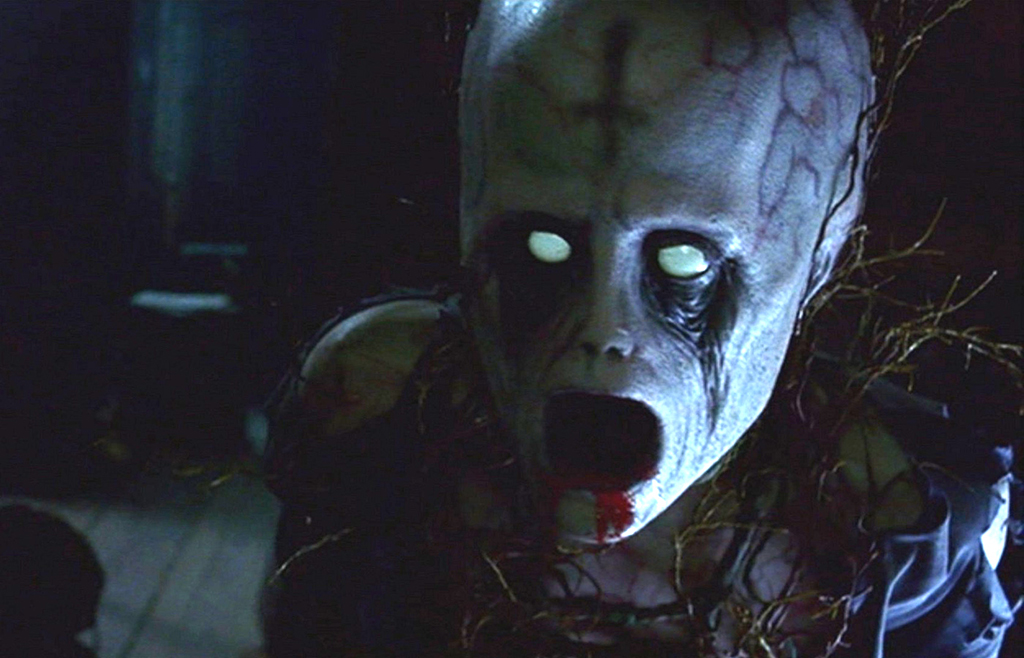
We’re Off To See the Bald Douche: The Goddess Reviews “Yellowbrickroad”

Like the endlessly resurrected Jason Voorhees, I return once again after a short break with apologies for another absence and an itchin’ for some more horror. The reasons for my brief hiatus this time were more cookbook emergencies (which now seem to have been ironed out), and a final push to get my next book, The Rochdale Poltergeist (co-authored with parapsychologist Steve Mera), ready for publication. Keep an eye out for it in the next couple of weeks!

Casting about for today’s blog subject, I was perusing the “best horror films” of particular years on IMDB, and since I’ve done a lot of old films and have gotten woefully behind on newer horror, I thought I’d look for recommendations about some decent, underappreciated flicks from the last few years. Don’t get me wrong, I’m pretty much an old-school horror chick all the way, but I also don’t want to turn into one of those crotchety old farts who thinks that everything new is automatically a shit burrito topped with a hot vomit salsa, you feel me? So right there on someone-or-other’s “Best Horror Movies of 2010” list was a little movie called Yellowbrickroad, which I watched on Hulu but is also available on Netflix, I believe. And hot damn, did I get lucky when I stumbled across this one, because it’s really something of an undiscovered gem that really got under my skin in a way that few movies do.

hr_yellowbrickroad_41

Even though it won best film at the New York City Horror Film Festival the year it was released, and even though it has gotten some really great and in-depth analysis (such as this review right here), it mystifyingly boasts only a two-star rating on IMDB, and some of the reviewers there REALLY seemed to hate it, with the main complaints being that the ending didn’t make any sense and that it wasn’t gory/violent/scary enough. That’s a fair charge, I suppose, and I will admit that if you’re more into big scares and splashy blood and guts, then yeah, you probably won’t find much to like here. Yellowbrickroad is a very cerebral, almost abstract, film, more concerned with exploring its psychological themes and unsettling the viewer with atmosphere than with traditional horror set-pieces. Though some reviews I read compared it to The Blair Witch Project, I think a far better comparison would be to a David Lynch film, what with its surrealist bent, its copious symbolism, its stubborn ambiguity about reality, its masterful use of sound as a definitive plot element, and its utilization of The Wizard of Oz as a constant referent (as Lynch did, of course, in Wild At Heart).

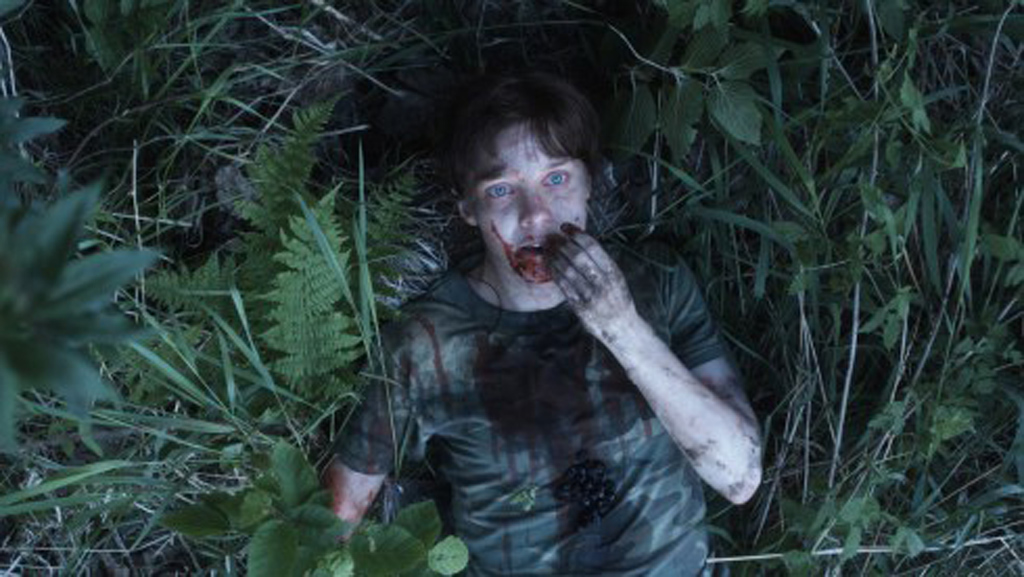
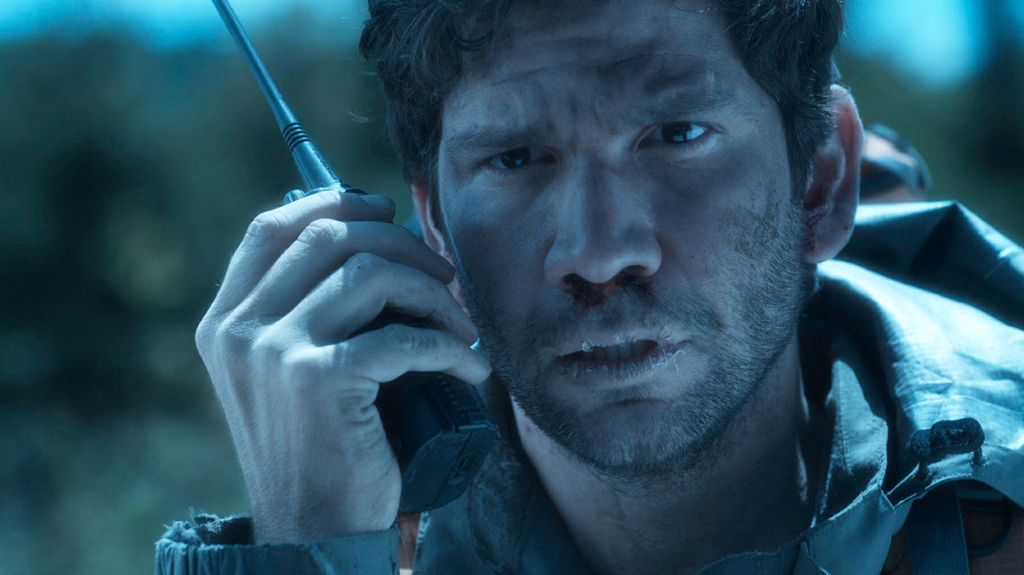
In brief, the plot centers around a mysterious happening in the town of Friar, New Hampshire in 1940. Almost all of the residents of this quaint little burg, after their zillionth viewing of The Wizard of Oz in the town’s dinky little movie theater, put on their best formal duds, gathered up their record albums, and wandered off into the woods, never to be seen alive again. Some of the bodies were recovered, having died of either exposure, apparent suicide, or murder, but some were never found. Cut to the present day, where husband-and-wife writers Teddy and Melissa Barnes are setting up a small expedition to hike the same trail as the townsfolk did in order to write a book about what might have happened to them. As you might imagine, shit starts to get weird pretty quickly.
yellowbrickroad-yellow-brick-road-movie-berries-woods

For a fan of smart, subtle horror, there is a great deal to admire in Yellowbrickroad. It is beautifully shot and edited, and is able to generate a palpable sense of dread and tension during its entire running time, even though the bulk of it takes place in broad daylight. I love the fact that the filmmakers chose not to use the easy out of filming most of it in the dark to make it “scarier.” Further, the way the film plays with expectations and reality is really well-done; it keeps the viewer off-kilter the entire time so that the viewer’s experience mirrors that of the increasingly lost and disoriented characters. I loved the sense of displacement that escalated as the story progressed, the sense that time and space was breaking down in parallel with the characters’ mental states.

In addition, all the characters are likable and real, and we get to know them in brief strokes, with very little bullshit; most of the character development is subtle and streamlined to a line or two of dialogue. There are some funny moments (for instance, when the team’s GPS first starts to go tits-up), but these feel spontaneous and believable, and not shoehorned in as “relief” from the horror. Lastly, there is comparatively little violence and gore shown onscreen, making the few times when violence does occur intensely shocking and affecting, particularly one scene (those of you who have seen it will know what I’m talking about) that comes almost completely out of the blue and shakes the viewer as much as it does the characters.

In my opinion, the best thing about Yellowbrickroad, and the thing that seems to have caused the most contention among those who have seen it, is its ambiguity. How much of this journey is real? How much of it is imagined? Is it a dream, or a mass hallucination? Is there some supernatural force leading these characters to their destinies, or something dark inside themselves that results in their destruction? It is here where the Wizard of Oz touchstones become all the more relevant, particularly its theme of journeys ending where they began, though with perhaps a greater understanding of oneself picked up along the way. In this sense, it is significant that the trailhead in Yellowbrickroad ostensibly starts at the movie theater, and also ends there, as the entire movie seems to be a road constantly spiraling inward, toward…what? Insight? Madness? Chaos? Death? It could be read in a myriad of ways, which is an attribute many of the best films share. This theme of spiraling inward is also hinted at in the mention of the 1940 townsfolk carrying their records into the woods, a single line of dialogue by mapmaker Daryl explaining that the coordinates he’s getting seem to be spiraling inward toward an unknown center, and most obviously, by the soundtrack of spooky, 1940’s-era music and ear-piercing record scratches that almost become an antagonist of their own as they assault the characters with contextless noise that grows louder as the journey progresses toward an inevitable end.
yellowbrickroad3

The most criticized aspect of the film by a mile was the ending, which many reviewers felt was inexplicable, but honestly, I thought the ending was perfect, and really the only ending it could have had, given its thematic thrust. The journey was always going to end where it began, just like in The Wizard of Oz, but in Yellowbrickroad, the insight gained by the sole survivor of the trek was far darker, almost nihilistic. This is no case of “everything I desired was right here all along,” but rather, “all of the worst things I dreaded about myself and the world are inside me, and everywhere, and inescapable.” Marry that to a profound disconnect between reality and fantasy, and a realization that to transcend one’s humdrum existence might just be equivalent to following an endlessly spiraling descent into a hell of one’s own making, and you’re left with quite a bleak filmgoing experience, and one that will stick with you and taunt you with its riddles for many days to come. Highly recommended.

Until next time, Goddess out.

The Goddess’s Favorite Creepy Movie Scenes, or The Mechanics of Female Revenge

As you can see, I’m returning at long last to my “Creepiest Movie Scenes” series, but with a slight twist. While I usually like to discuss films with that eerie, unsettling supernatural vibe that I love so much (such as The Haunting, The Tenant, or Don’t Look Now), today I want to go more visceral, and descend into the kind of creepy that encompasses disgust, intense discomfort, and perhaps a hint of exploitation.

The so-called “rape-revenge” subgenre reached its peak in the 1970s and early 1980s, and the two films I want to talk about are probably the most cited and controversial examples of this type of cinema. I have to say right out of the gate that rape is one of the most stomach-turning things for me to watch on film or hear about in real life; merely hearing someone talk about it (either in a movie or in meatspace) makes my skin crawl with revulsion more than anything else, whether the victim is man, woman, or child. For this reason, these two movies were probably the most difficult films I ever sat through, but ultimately, I found the experience of them bizarrely rewarding, and I will do my best to articulate why.

I-Spit-bruised-Jennifer

Meir Zarchi’s I Spit On Your Grave (aka Day of the Woman, 1978) and Abel Ferrara’s Ms. 45 (aka Angel of Vengeance, 1981) were both dogged with criticism from the moment they were released, and both were either heavily edited or outright banned in several countries; I Spit On Your Grave in particular is banned from sale to this day in Ireland (according to Wikipedia) and is only available in severely cut versions elsewhere. The overriding justification for these bans, then as now, was that the films “glorified” violence against women. While I would agree that many films in the rape-revenge genre do indeed use rape solely as a means of titillation, thus making them guilty of accusations of glorification, I would argue that these two films pretty clearly do the exact opposite, and have been unfairly lumped in with lesser, more exploitative examples of the genre. I’d also like to point out here that films that supposedly glorify violence against men are rarely subjected to the same treatment, and while some may point to misguided feminism as the reason for this, I would argue that banning films containing explicit sexual violence against women is actually an inversion of the very idea of feminism, as it still plays into the antiquated view of women as lesser beings who are unable to protect themselves or take action to right the violence visited upon them.

maxresdefault

Here’s the thing that I find strange. In my humble estimation, both of these films possess so-called “male perspective” counterparts: I consider I Spit On Your Grave to be a woman-centric version of Deliverance, for example, while I would put Ms. 45 on a similar plane as, say, Death Wish. Both Deliverance and Death Wish, you’ll note, are pretty universally lauded by critics, so I’m always left wondering why, when the sexual violence and later revenge is perpetrated against and subsequently by a woman, critics seem to suddenly and utterly lose their shit. Roger Ebert, whose opinions I mostly agreed with, famously called I Spit On Your Grave “a vile bag of garbage…without a shred of artistic distinction,” and along with his then-partner Gene Siskel, named it the worst film ever made. When I read about the initial critical reaction to both of these films, I have to say that I’m completely puzzled. Did these dudes watch the same movies I did? Because it seems to me that they entirely missed the point. Some critics have rightly reconsidered their earlier opinions in later years, which is something I’m happy to see, but both movies are still generally looked askance at in “serious” film-critic circles.

I would be the first to admit that there is a paper-thin line between simply portraying rape on screen and glamorizing it, but for my money, neither I Spit On Your Grave nor Ms. 45 glamorized the crimes in the least, and in fact, I would argue that both films portrayed the rapes in such a horrific manner that viewers could not help but identify and empathize with their female protagonists. The brutally drawn-out rape scenes in I Spit On Your Grave in particular were so awful that they gave me nightmares for weeks, and I would argue that this is exactly what they should do, if the film is portraying the crime responsibly. Real rape is not sexy or glamorous; it is low and odious and degrading, and that is exactly what the scene depicted, in grueling, unrelenting detail. It had no harrowing background music, it had no flattering camera angles or arty lighting. It was simply a long, flatly presented, almost unendurably ugly portrayal of four men using a blameless woman in the most repugnant, objectifying way possible (even denigrating her personhood further by destroying the manuscript she’d been working on), and then leaving her for dead. I feel that it is far more artistically justifiable to portray rape as disgusting and vile—that is to say, realistically—rather than glossing over it and thus lessening its revolting impact. As I implied earlier, the rape of Ned Beatty’s character in Deliverance was depicted in a very similar way to the rape of Camille Keaton’s character in I Spit On Your Grave, but for whatever reason, Deliverance is considered a cultural and artistic milestone, while I Spit On Your Grave (and Ms. 45, to a lesser extent) is relegated to cult, “video nasty” status, even though the outcomes of both films were almost exactly the same. While I’m not going to argue that I Spit On Your Grave was an artistically better film than Deliverance, because that would just be stupid, I still have to wonder about the vitriol that was hurled at the former when similar criticisms could be leveled at the latter. The only significant difference that I can see was the gender (and, it must be said, attractiveness) of the victim(s).

ms-45

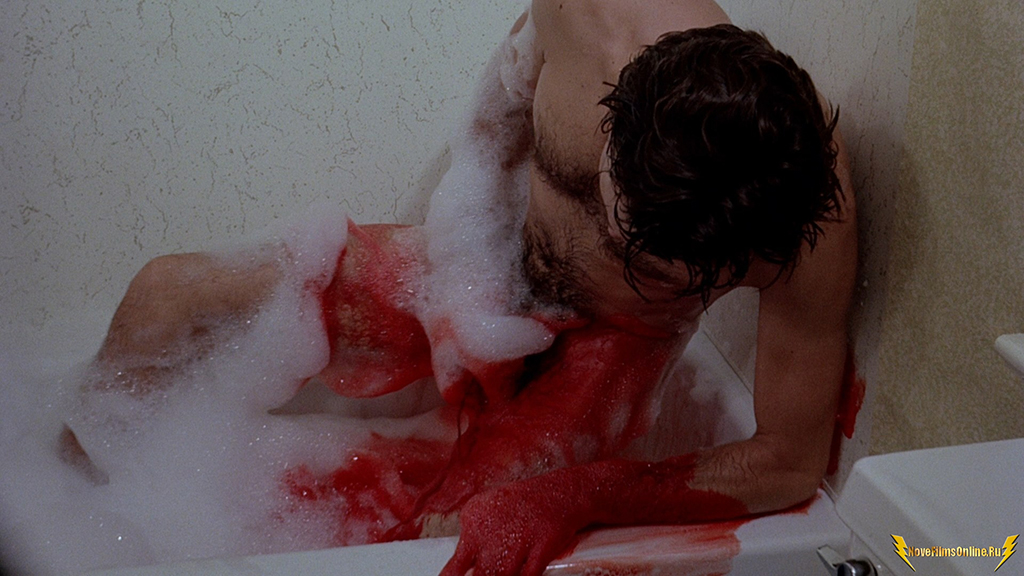
There is also, of course, another more subtle difference that may hint at the reasons for the disparity in critical reception. In both I Spit On Your Grave and Ms. 45, the victimized women ultimately end up using the purported “weakness” that made them victims in the first place—their femininity—as weapons of revenge against their attackers. In I Spit On Your Grave, Jennifer Hills (Camille Keaton) uses the promise of willing sex to lure her rapists back into her clutches with the aim of murdering them one by one (in a memorable instance slicing off a man’s penis while giving him a handjob in a bathtub). I actually liked this aspect of the film very much, as during her attack, the rapists accuse Jennifer of essentially “asking for it” by traipsing around her very secluded cabin in “revealing” clothing (like, y’know, a bathing suit when she went swimming) and “flirting” with them and leading them on (by, y’know, being polite to them when she came into town for groceries). So I found it particularly gratifying that Jennifer had the presence of mind to use these very accusations (which are still depressingly common in real-life rape cases) to her advantage when it came time for payback.

spit6

1386679917_3

Likewise, in Ms. 45, the mute Thana (Zoë Tamerlis Lund), who was the victim of two savage rapes in one day, eventually reinvents herself as an overtly sexualized nun who then goes on a man-hunting shooting spree. Is this the aspect of these films that made (largely male) critics so uncomfortable, that their unexamined feelings about women as passive sexual receptacles for their own desires could possibly be used against them by the very objects of those desires? I’m not entirely sure, but honestly, I don’t see much difference between the dudes in Deliverance wasting the rednecks in revenge for Ned Beatty’s rape and Camille Keaton emasculating and killing her attackers in justifiable revenge for what they did to her. And in much the same way as viewers were meant to sympathize with and cheer on the city boys of Deliverance as they enacted some backwoods justice on the agents of their degradation, I feel that I Spit On Your Grave pretty obviously wanted you to sympathize with and cheer on Jennifer as she took out the trash in the exact same way. And sure, I will admit that Ms. 45 is perhaps more problematic in this regard, since Thana took things a tad overboard and began blowing away more-or-less innocent men who had not directly victimized her, I will say that her actions were clearly mitigated in the film’s narrative somewhat, as she was portrayed as not entirely stable from the get-go, and thus her trauma-induced push into full-on murder mode was made completely understandable and even relatable to viewers, as even some of her more “innocent” victims had objectified her in more subtle ways.

ms-45-creepy

p.txt

Would I go so far as to call these two films “feminist?” I think I would, in the sense that the protagonists of both films used a trauma perpetrated against them as a spur to find their power and drive them to action. It’s clear to me that both directors were purposely making films with a point of view sympathetic to their female protagonists, one that got inside the heads of the characters and made the viewer understand events through their eyes. While I did have a problem, as I mentioned earlier, with Thana’s somewhat indiscriminate killings in Ms. 45, and I was also slightly uncomfortable with Jennifer’s killing of the mentally retarded rapist (who had only raped her at the urging of his irredeemable fuckwit cohorts, even though he was astute enough to know what he was doing was wrong), in the end any sense of discomfort I felt was overridden by my ultimate satisfaction at the deserved outcome for the bad guys. I would have experienced the same gleeful sense of righteous justice had the perpetrator been a man avenging similar wrongs done against him, and that is the entire point that I felt a lot of critics missed. While I’m of the opinion that attitudes toward women in film have improved somewhat since these films were released, it disturbs me that they haven’t changed as much as I feel they should have (as the internet-fueled “controversy” about Mad Max: Fury Road made starkly clear). In that sense, I feel that both I Spit On Your Grave and Ms. 45 were important cinematic experiments that highlighted some of the more problematic aspects of the way women characters were viewed by using the very tropes of the exploitation film against themselves. Your mileage may vary, of course, but I’d be interested to hear other perspectives, if anyone would care to share them.

And with that, I will bring another long-winded and scattershot post to a close. Until next time, Goddess out.

A Sword Never Runs Out of Bullets: The Goddess Reviews “The Sky Has Fallen”

Greetings, minions! Today I’m doing something a little different on this humble blog: I’m actually reviewing a movie that came out in the 21st century! And no, before you ask, I haven’t been abducted by extraterrestrials and replaced with a replicant, so don’t worry your pretty little heads about that, carbon-based life forms. Hu-mans, I mean. Wait, did I get that right? *checks with mothership*

Anyway, what happened was that writer/director Doug Roos contacted me on my Facebook author page and very nicely asked me to review his indie horror film, The Sky Has Fallen, and gave me the super secret hookup for the screener. If you would like to see it yourself, you can buy it on Amazon right here, but obviously you’re gonna have to pay, because you’re not as cool as me. So since I know what a bitch it is out there for independent artists, and how hard it is to get anyone to pay attention to what you create, let alone write at length about it, I was happy to oblige.

51cpNyvmFXL._SL500_AA300_

Roos raised the money for The Sky Has Fallen on Kickstarter, and in his pitch he played up the fact that the film was going to be 100% practical effects, which is rad and hopefully indicative of a larger trend, because I’m frankly kinda sick of looking at copious amounts of CGI and would love a return to more traditional special effects (as evidenced by my orgasmic review of Mad Max: Fury Road). The film was actually released in 2009, and went on to win several awards, including Best Feature at both the Indie Gathering Film Festival and the Freak Show Horror Film Festival.

theskyhasfallenimage2

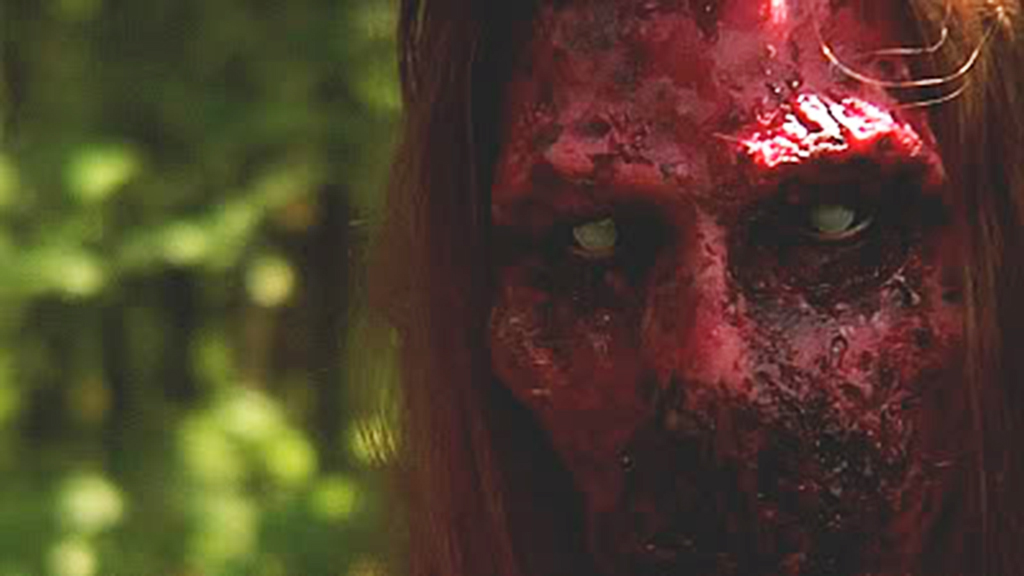
In the interest of trying not to post spoilers, I will just give a very basic overview of the film. It’s nominally a zombie movie, I guess, though the zombies are not your run-of-the-mill undead, but rather people who succumbed to a mysterious fast-acting virus—which wiped out most of humanity—and subsequently fell under the mind control of a group of equally mysterious black-robed figures and their faceless, white-robed leader. These shadowy figures also seem to experiment on and eat their victims for some unknown purpose. This is an interesting premise, and I actually wish it had been explored in more depth; I’m usually all for subtlety and not over-explaining things in your horror movie, but in this case I wanted to know who these figures were (aliens?), if they were the ones responsible for the killer virus, and what their endgame was with the mind-control and the experimentation and the flesh eating. Maybe these questions were answered obliquely during the course of the film, but I wasn’t astute enough to pick up on it.

The film is pretty much a one-location, two-character piece, following survivors Lance (Carey MacLaren) and Rachel (Laurel Kemper) as they traipse through the woods, periodically slash their way through groups of gore-faced shamblers, fall in love, and have nightmares, flashbacks and existential conversations as they quest to kill the white-robed leader, which they hope will bring an end to the horror. I admit this aspect of the film got a little repetitive, as it seemed as though the conversations the characters had were all of a similar nature, and the scenes of them fighting the zombies were pretty much interchangeable. I feel like it might have worked better as a short film, as some of its hour-and-twenty-minute runtime felt like filler. It actually seemed like it was structured more like an Asian horror film, with repeating patterns rather than a standard Western three-part plot arc.

MV5BMTY3NTMzMzY2MV5BMl5BanBnXkFtZTcwNTg5MjQyMg@@._V1_SX640_SY720_

That said, the faceless leader was pretty damn cool-looking, and the shadowy figures suitably creepy. The effects were also quite good, very Fulci-esque, and gorehounds should be happy with the buckets of blood, hacked limbs, severed heads, eye-gougings and oozing wounds on display. I would have liked to see more of the blades and bullets actually impacting flesh, though, as most of the kills consisted of a shot of Lance swinging his katana, swiftly followed by a shot of a bloody head or arm rolling on the ground. The editing overall, in fact, was a little strange and stylized, and there were a lot of close-ups where sometimes I wasn’t really sure what I was looking at.

SkyHasFallenzombie

The acting was decent for a low-budget indie, but I never really got the sense that these were real people dealing with a worldwide epidemic that had been going on for two months. They looked too clean, for one thing, and didn’t seem at all hardened by their experiences both during and following the apocalypse. I also thought the final revelation vis-a-vis Rachel’s identity was a little forced. The limitations of the budget are fairly obvious too, as the film’s single forest location gives no sense of scope to the cataclysm the characters are describing.

All in all, I didn’t love it, but keep in mind that other than “The Walking Dead,” which I adore, the last zombie things I really enjoyed were both horror comedies (Dead Snow and Zombieland, in case you wondered). I think in general the zombie genre is pretty burned out at this point, though The Sky Has Fallen did have a fairly original concept, and I understand that zombie films are probably the easiest horrors to make on a nothing budget. I’d be interested to see what Roos could do with more money, as long as he retained his obvious enthusiasm for the genre and for old-school gore effects.

Until next time, keep it creepy, my friends. Goddess out.

The Goddess’s Favorite Creepy Movie Scenes, or It’s Not Kidnapping, It’s Borrowing

I’m ashamed to say I had never heard of the movie I’m featuring today, which is the phenomenal British film Séance on a Wet Afternoon. It was recommended to me by a friend on Facebook, and over the weekend I sat down and spent a chilling two hours with it, marveling at its atmospheric mood and incredible psychological depth. It’s not a horror movie per se, but it is an intensely disturbing, absorbing thriller that garnered gobs and gobs of accolades when it came out back in 1964, including a Best Actress Oscar nomination for lead Kim Stanley. She lost to Julie Andrews in Mary Poppins, which is a terrible shame, though not all that surprising, frankly. Don’t get me wrong, I love Julie Andrews, but I definitely think Kim Stanley got robbed in this case. Her portrayal of a mentally unstable spirit medium was so nuanced and eerie that I found myself completely enthralled by the way her character came across as so sweet and harmless on the surface, while a manipulative, dark insanity lurked just beneath. Incidentally, if you’d like to watch for yourself, here you go, and if you’d like to read further, be warned that there will be spoilers:

The plot basically details a completely batshit scheme that working-class medium Myra Savage concocts to get attention and notoriety for her supposed psychic abilities. The film remains ambiguous about whether her abilities are real, but she clearly believes that they are, and that her stillborn son Arthur is acting as her spirit guide at the weekly séances she holds in their home. If you’re a regular reader of this blog, you’ll know how much I love this type of ambiguity in films, and it’s especially good here; while we become unshakably certain over the course of the film that Myra is quite insane, we’re never entirely sure whether her mediumship is a cause or an effect of her insanity.

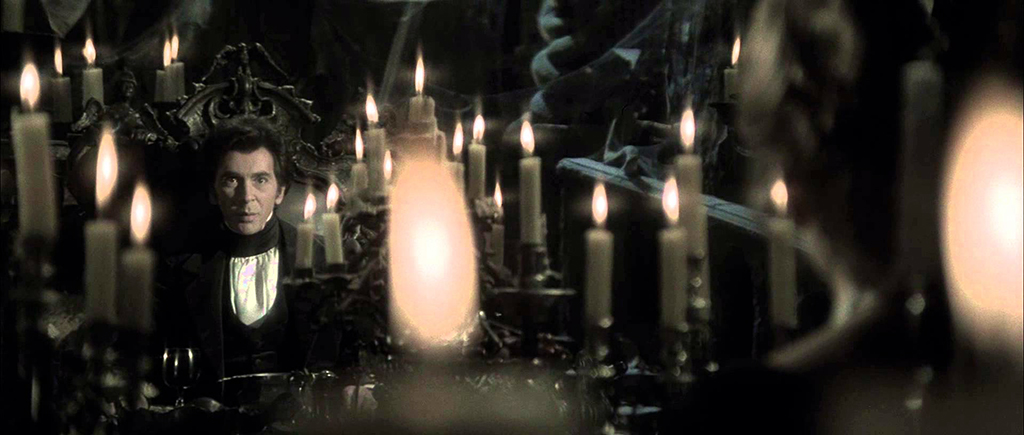
Seance1

Using her cowed, milquetoast husband Billy (played by Richard Attenborough) to do her dirty work, Myra kidnaps (or “borrows,” as she insists on calling it) the daughter of a very wealthy, connected couple and ransoms the child for £25,000. Initially, Myra and Billy don’t plan to hurt the child or even keep the ransom money; their intentions are far more convoluted and insidious than that, and it’s implied that they’ve been refining the details for years. In a nutshell, they plan to keep the child and the ransom money hidden until Myra has made contact with the child’s parents and the police, whereupon she will claim that she has received messages from beyond that tell her where the child and the money can be found. She is sure that this will make a name for her throughout the land, and she hopes the news of her success will lead to fame and riches down the line.

As should be obvious from the type of film this is, the plan ultimately doesn’t go the way it was supposed to, and slowly sprouts ever more disturbing tendrils as Myra’s fragile hold on sanity begins to crumble away. Because the film doesn’t make clear from the beginning what the specifics of Myra’s plan are, and doesn’t explicitly lay out how she begins to subtly change the details as the story progresses, it’s a rather gripping watch; the tension keeps escalating as the viewer wonders what exactly the endgame is, and what exactly will go wrong.

The creepiest thing about this film, I thought, was the interplay between Myra and Billy, and the unspoken dynamic between them that made the presumably decent but weak-willed Billy go along with his wife’s obviously delusional ideas without too much complaint. Myra does not browbeat Billy into doing her will; she does not threaten him. Their relationship is such that she does not need to; she is able to convince him through the sheer force of her seemingly reasonable wheedling, and her slow escalation of requests that ultimately leave Billy in the same position as that fabled frog in boiling water. He obviously loves her dearly, and because he does, he has accepted that she sees him as nothing more than a tool to facilitate her own desires. In this way, Billy is quite a tragic character, subsuming his own identity and moral compass in deference to hers. At one point Myra tells him that the kidnapping of the child is simply a means to an end for them; no one is going to be hurt, she points out, and they won’t even be keeping the parents’ money, so what harm is there? “You agree with the end, don’t you?” she asks him in her soft, sweet voice, and when he assents, she follows with the seemingly logical conclusion, “Well, then you must agree with the means.” The great thing about this is that from their interactions, the viewer can really feel the weight of the years of their marriage behind them, of how her manipulation of Billy and his passive acceptance of it are simply par for the course. It is only at the very end of the film, when Myra has taken things one step too far, that Billy finally nuts up and blows the whistle on her, at which point she has lost her marbles to such a degree that she is no longer able to protest.

The scenes with Myra interacting with the kidnapped child are also pretty unsettling, as it’s clear that Myra views the girl in the exact same way she views Billy: As a thing that will get her the results she wants. She is never cruel to the child at all, but she is chillingly indifferent and detached, both when she speaks to her and when she speaks about her. That’s the great strength of Kim Stanley’s performance; the viewer is drawn in by her seemingly demure, motherly exterior and only slowly starts to realize that Myra is a sociopathic monster. It’s a fantastic study in the banality of evil.

Seance2

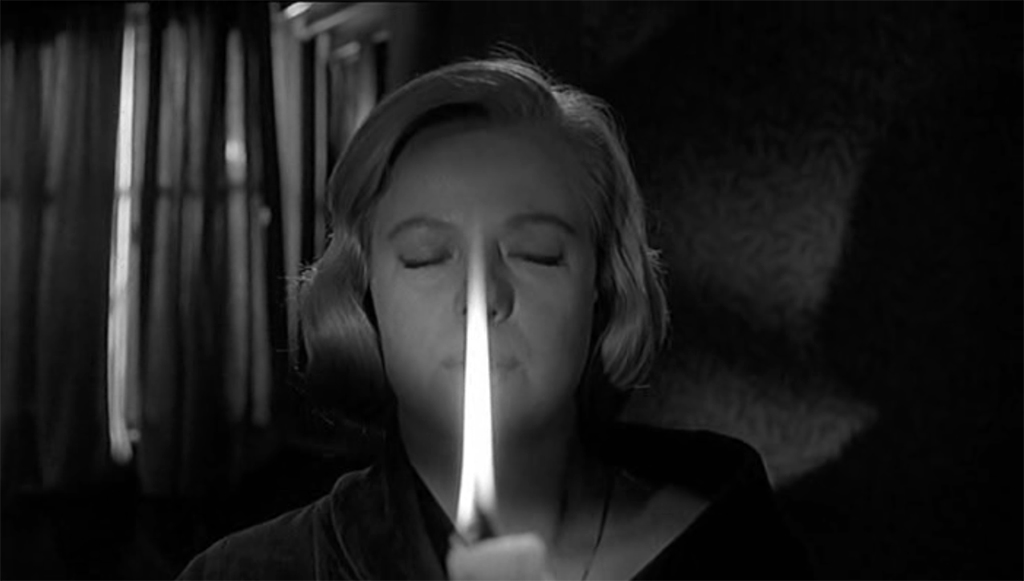
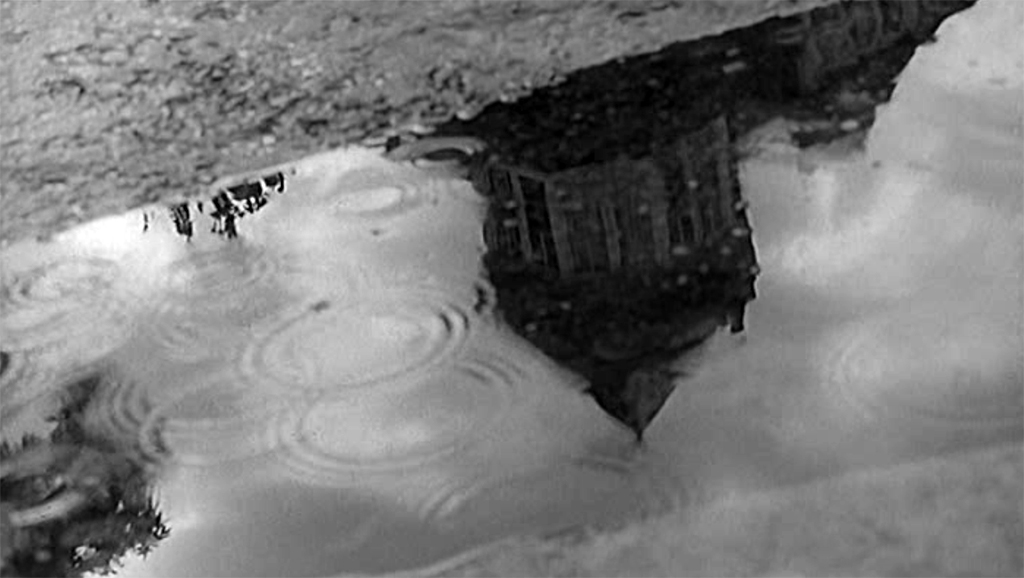
Aside from the stellar characterization and almost unbearable suspense, the film also looks gorgeous, with lovely, atmospheric shots of candlelit faces around a séance table, or spooky houses reflected in puddles of rainwater. As I said before, it’s not strictly a horror film, but its look and subject matter definitely put it in the same league with the great ghost stories and thrillers of the period, and I would recommend it for any fans of either genre; it’s just a shame it’s not better known.

Stay tuned for more good stuff later in the week, and until next time, keep it creepy, my friends. Goddess out.

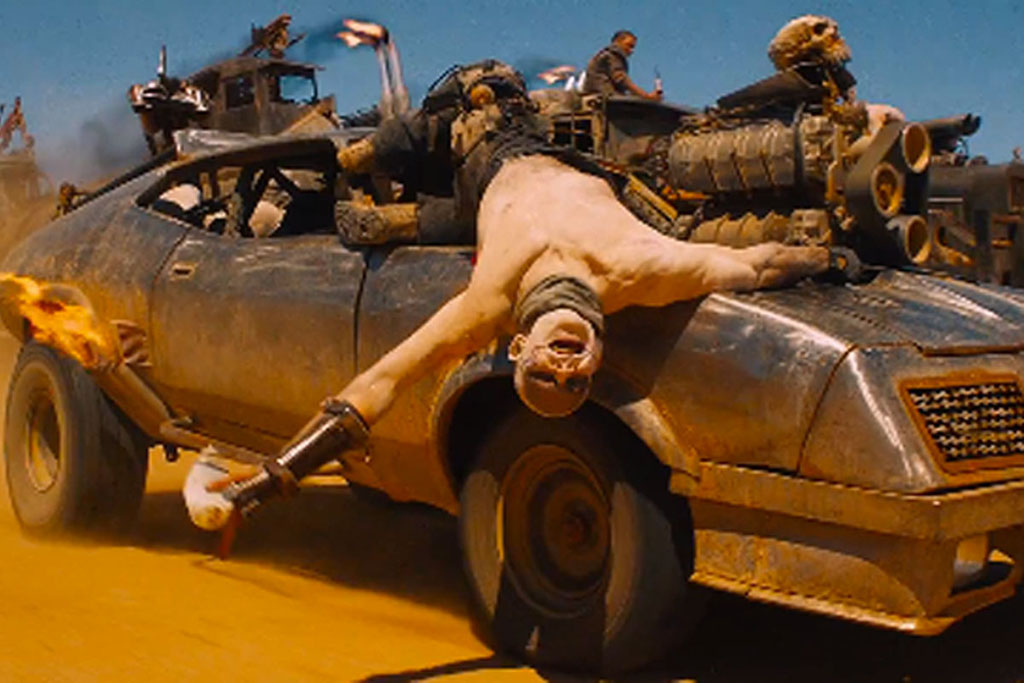
HOLY FUCKING FUCKBALLS, GO SEE “MAD MAX: FURY ROAD” RIGHT THE FUCK NOW

Okay, okay, it’s not a horror movie so why the fuck am I even writing about it and why bother adding my insignificant voice to the chorus of hosannas this thing is receiving from all and sundry and so on and so forth and blah de blah. Well, to that I have but one reply:

AAAAAAAAAAAAAAAAAAAAAAAAAAAAAAAAAAAAAAAAAAAAAAAAAAAAAAAAAAAAAAAAAAAAAAAAAAAAAAAAAAAAAAAAAAAAAAAAAAAAAAAAAAAAAAAAAAAAAAAA
AHHHHHHHHHHHHHH!!!!!

And furthermore:

FUCKYEAHFUCKYEAHFUCKYEAHFUCKYEAHFUCKYEAHFUCKYEAHFUCKYEAHFUCKYEAHFUCKYEAHFUCKYEAHFUCKYEAHFUCKYEAHFUCKYEAHFUCKYEAH
FUCKYEAHFUCKYEAHFUCKYEAHFUCKYEAHFUCKYEAHFUCKYEAHMOTHERFUCKER!!! GAAAAAAHHHHHH!!!

GAAAAAAAAAAAAAAAAAAHHHHHHHHH!!!!!!!!!!!!

GAAAAAAAAAAAAAAAAAAHHHHHHHHH!!!!!!!!!!!!

This is a good movie, is what I’m saying, and if you haven’t seen it yet, you suck and you’re a terrible person. Honestly, this shit is so awesome that had I been a boy, I would have developed a huge, pulsing erection five minutes into the movie that grew in size until it encompassed several city blocks and shot fire and poison blood in great steaming arcs for several days afterwards. As it was, I’m pretty sure my entire face melted off my skull and left behind a grime-encrusted rictus of bullet teeth and battered steel. And for real, I don’t even usually like action movies all that much; I find most of them fairly boring, but this thing kicked so much ass that the GoH and I actually paid full price to see it in the theater three times so far (and two of those times were in 3D, so ya know, cha-ching), and have spent hours expounding upon its epic raddities, of which there are countless examples.

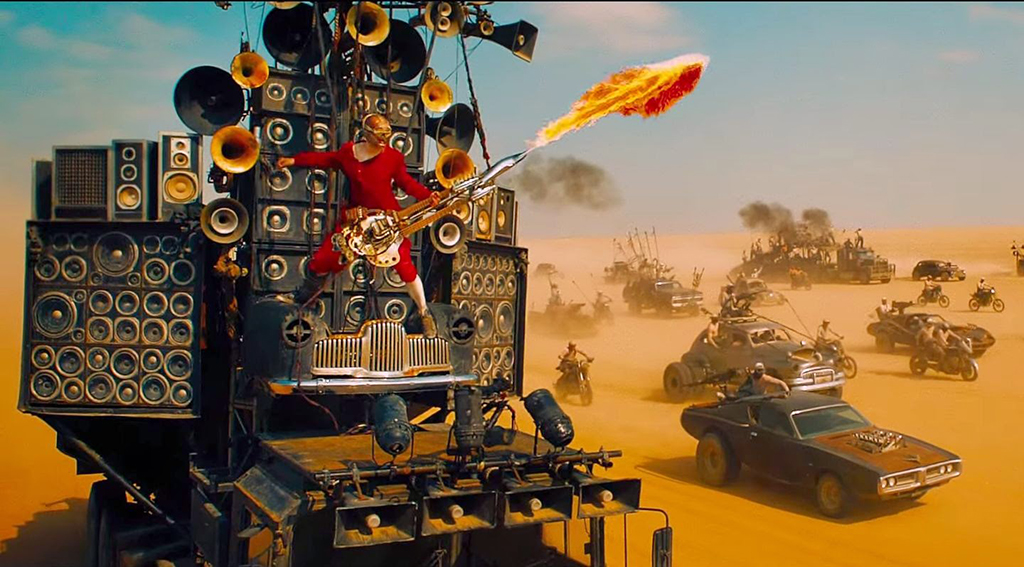
First thing, though: How in the everloving FUCK did no one die on this fucking set? As the entire internet knows, this thing is 90% practical effects: Real stunts, real crazy vehicles, real crashes, real sand, real fire. And it fucking shows. I haven’t been this tense in a movie since…well, ever. The danger is palpable, the violence is brutally real. I wasn’t only worried about the characters, I was worried about the fucking ACTORS. Spiked vehicles were plowing into each other at sixty miles an hour, everything was shooting gigantic plumes of flame, there were dudes running around with chainsaws on top of fucking moving trucks, there were other dudes on poles hopping from car to car and plucking people out of sunroofs, THERE WAS A DUDE PLAYING A FLAMETHROWING GUITAR FOR FUCK’S SAKE, it was complete, utter, batshit insanity. In fact, the stunt work here is the best I’ve ever seen, in any film, ever, no contest. Totally jaw-dropping, and I’m still wondering how the fuck they could have possibly filmed it, other than fucking magic.

WHEEEEEEEEEEEEEEEE!!!!!!!

WHEEEEEEEEEEEEEEEE!!!!!!!

I also gotta say, I love the fact that director George Miller, who of course helmed the original Mad Max films, is seventy years old, and is clearly out of fucks to give. He brought on cinematographer John Seale—also in his seventies and retired—especially for this project. These two oldsters came blazing into an action-movie landscape riddled with CGI snorefests and empty spectacle, punched every single other recent action movie in the dick, and then dropped the mic, walking away in slow motion while the entire planet exploded in a mushroom cloud behind them. Try to top it and you will fail harder than failure has ever failed. This is how it’s done, youngsters.

Peace out, motherfuckers.

Peace out, motherfuckers.

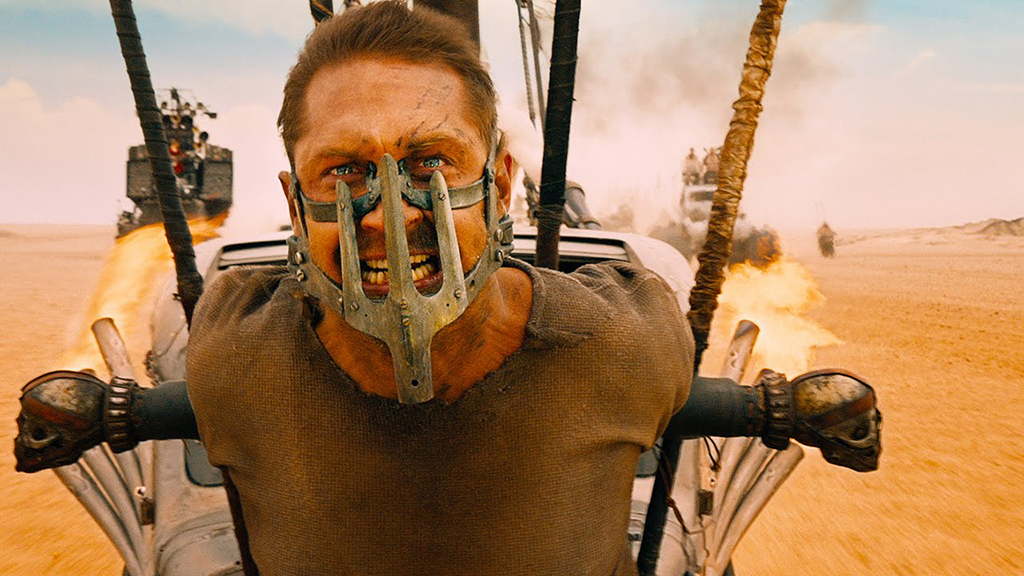
I think the best things about the movie only become clearer the more times you see it, which is why we’ve already seen it several times; it gets deeper and more profound each time, and you catch a lot of detail that you missed. The movie is inarguably spectacular: Its visuals operatic, over-the-top, and gorgeous, its framing perfect, its world fully realized. The set pieces are gloriously ridiculous, but have an unimpeachable logic behind them. Not a single fucking moment is wasted; the whole thing is a lean, mean, cock-socking machine, a total adrenaline rush from start to finish. The first time you see it, the thing is simply overwhelming: It holds you down in the dirt and pummels you in the face repeatedly with a giant iron fist of awesomeness. It’s so rich and overstimulating that it’s hard to take it all in on the initial viewing. In fact, the very first time we saw it, we were legitimately exhausted afterward, as though we’d just run a fucking marathon. Of the very few criticisms I’ve seen of the movie, the main one seems to be that the movie is visually amazing but light on plot and character development. This is 100% fucking incorrect. There is a fuck of a lot going on in Fury Road, but almost none of it is explicit. The best thing about it is that it trusts its audience to fill in the blanks. It doesn’t need explanation or exposition, because everything is right there in front of you, if you pay attention. Tom Hardy and Charlize Theron cram more character development into a brief glance or a single word than most action stars do with pages of dialogue. They hardly say anything, but their actions and body language tell you all you need to know. You CARE about them. You WANT them to succeed. The visual spectacle is great, but it’s great precisely because it means something; the action has weight because you give a shit about what happens to these people, which is something I don’t see in action movies at all anymore. I have a feeling that this movie is going to become the go-to in film schools to illustrate the principle of “show, don’t tell.” Almost everything about the film’s world is implied rather than explained, and that is a beautiful thing.

Beautiful, I tell you.

Beautiful, I tell you.

Another much sillier complaint comes from the sad-manbaby corners of MRA-dom: Namely, that they feel the movie is so epically badass because it’s a “trick” to get men to see a “feminist propaganda” piece. This is brain-numbingly stupid on many levels, but let’s unpack that complaint for a minute. Firstly, is this a “feminist” film? Sure, in the sense that its women characters are portrayed as complex human beings who are every bit as capable and flawed as the men (and I particularly liked that the female characters didn’t simply act like “action star men with boobs,” they actually still had traditionally feminine qualities while also being totally badass). And sure, the plot of the film does revolve around the intensely kick-ass Imperator Furiosa and her quest to free Immortan Joe’s “wives” from their oppression. And sure, Max is something of a sideline character who simply stumbles into the women’s story and eventually helps them achieve their goals, rekindling a little of his lost humanity along the way. Additionally, there is nothing so cliché as a romantic subplot, or a sense that the women are just there as decoration or to act as catalysts for the men’s actions. Max and Furiosa are unspoken equals, and help and respect each other in equal measure. This is never stated explicitly, but it’s definitely there. When there’s only one bullet left in the gun and Max needs to take a difficult shot and has already missed two times, he has absolutely no qualms about wordlessly handing the gun over to Furiosa and letting her steady the barrel on his shoulder. She doesn’t ask him for the gun, but he just gives it to her. He has seen her take a very similar shot before, and nail it. It doesn’t matter to him that she happens to have ovaries; he just knows she’s a better shot, and they can’t afford to take chances. The fact that the women of Fury Road are just treated like real humans without drawing attention to the fact is actually really refreshing, and it’s depressingly significant that some idiots are making an issue of it when it absolutely should not even be a noticeable thing. (The GoH, incidentally, did NOT notice a particularly “feminist” angle, and was genuinely surprised when I later told him about the MRA backlash.)

Furiosa feeds on your man-tears.

Furiosa feeds on your man-tears.

A further reason that the whole “feminist propaganda” angle is retarded as hell is that, HELLO, there are great, sympathetic male characters too, like Max himself, and like the lovable Nux, who has the film’s most compelling character arc as he journeys from an indoctrinated War Boy to the self-sacrificing hero who ensures the gang’s success. The whole point of the film, as a matter of fact, is that men and women have to work together, practically and on equal footing, to solve the world’s problems, because they have differing strengths and weaknesses that complement each other. That’s not a feminist message; it’s a humanist one. After all, it’s not just that the women are oppressed in the Mad Max universe, but that EVERYONE is. Yes, the wives have been used as walking wombs, but the War Boys have been used too, raised from birth in a religious cult that glorifies death in battle, making them nothing more than disposable cannon fodder for the ruling elite. Even Max is used at first as just a resource for the war machine, a living “bloodbag” for Nux. In fact, on repeat viewings, it becomes very clear that Fury Road is a straight-up allegory: Immortan Joe, with his apocalyptic rhetoric and cult of personality, represents organized religion; the Bullet Farmer, with his barrister-wig-looking bullet headpiece and his shrieking about “the scales of justice” after he is blinded by Furiosa, represents a corrupt legal system; and The People Eater, with his grotesque obesity and obsessive bean-counting, represents an out-of-control corporate greed. These three institutions, represented by the Citadel, the Bullet Farm, and Gastown, collude to oppress the masses, maintaining an iron grip on resources and promulgating an artificial scarcity to keep the rabble under their thumbs. If anything, Fury Road is a good old-fashioned “little guy fights the system” flick, and just because many of the “little guys” happen to be women doesn’t make the story any less universal or relatable. Unless you’re a douche, I suppose.

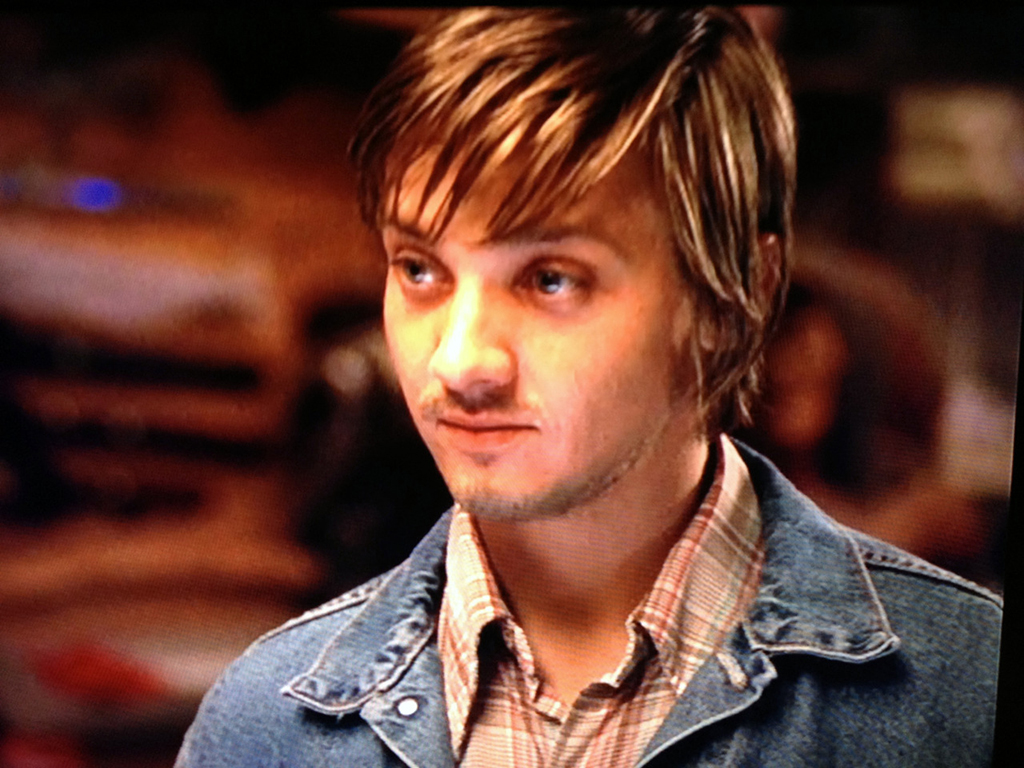
Like this guy.

Like this guy.

Anyway, it seems that I’ve exhausted my adjectives talking about how fucking epic this film is and I’ve still fallen short, but I must say that I’m happily astounded that the critical response has been nearly as gushing as that of the fans. I really believe that this film is a milestone, not just in the action genre, but in film as a whole. It is a work of staggering genius, an instant classic, an iconic slab of art for the ages. I salute you, George Miller and everyone else involved in this outstanding production, and I will personally accompany you to the gates of Valhalla! *sprays silver paint in mouth*

WITNESS ME!!!

maxresdefault

The Goddess’s Top Ten Horror Movies Based on True Stories

Time for more list-based goodness from The Goddess, and I promise I’m not really gonna make this an ongoing thing; these are just easier for me to do when I’m pressed for time, you dig? I thought you could. When things calm down around here I swear I’ll get back to my more in-depth content.

Similar to my last post, where I picked my favorite horror films adapted from novels, this time around I’m picking my ten favorite horror films based on true events. Now, here’s where it gets a tad sticky, so I had to make a few loose rules for myself. What constitutes “true,” after all? There are a shit-ton of movies based on supposed “real-life” haunted house cases, alien abductions, poltergeist infestations, and demon possession, for example; any self-respecting list would include The Amityville Horror, A Haunting In Connecticut, Fire in the Sky, The Mothman Prophecies, The Exorcism of Emily Rose, and many, many others. I’m disqualifying those because I don’t think most of them are “true” in the sense that they really happened; in other words, I don’t believe in ghosts or demons, so for me, these movies are not based on reality at all. I’m also avoiding films that were based on novels that were in turn based on true stories (for instance, 2007’s The Girl Next Door, which was based on Jack Ketchum’s fictionalized novel of a true event, doesn’t qualify, and I wrote about it last time anyway). Rule of thumb, the movie can be based on a book, as long as the book is non-fiction. I’m also discounting films that so drastically veered away from the stories that inspired them that they are no longer recognizable as the original event, and ones that were sorta loosely based on a particular person, but didn’t have much else to do with a true account of said person (the villains in both Psycho and The Texas Chainsaw Massacre, for example, were inspired by serial killer Ed Gein, but both took so many liberties with the guy’s real biography that it no longer counts as anything but fiction; plus Psycho was based on Robert Bloch’s novel, so). I realize that by their very nature, movies are fictional entities, so there’s a lot of gray area here, and I’m sure I might break a few of my own rules with the movies I picked, but those are my standards and I’ll try to stick to them. I also realize that a few of these aren’t strictly horror films per se, so don’t bust my balls. They’re horror friendly, bitches. So here we go.

Dahmer

10. Dahmer (2002)

I wasn’t expecting much from this one, to be honest, since it came out right around the same time as a bunch of other direct-to-video serial killer flicks that weren’t much shakes, but I have to admit it really surprised me. Jeremy Renner is great in his complex, nuanced portrayal of rapist, murderer and cannibal Jeffrey Dahmer; he’s pitiful and vomit-inducing by turns.

FromHell

9. From Hell (2001)

Kind of a cheat, since it’s loosely adapted from Alan Moore and Eddie Campbell’s graphic novel, but it’s also based on real theories surrounding the Jack the Ripper case, and I really liked it, so I’m gonna give it a pass. The thing looks great, drenched in gothic atmosphere, and Johnny Depp is his usual rad self as real-life Ripper investigator Frederick Abberline.

Ravenous

8. Ravenous (1999)

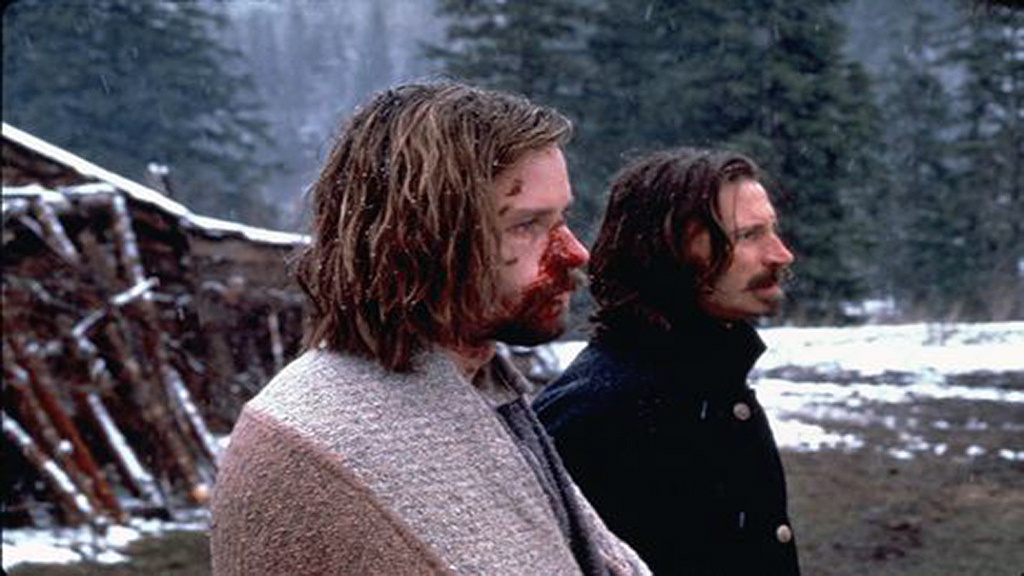
This blackly comic horror film, a sadly underrated one, takes aspects of the Donner Party and the case of cannibalistic gold prospector Alfred Packer and mashes them together into a grimly hilarious tale of man-eat-man during the Mexican-American War of the 1840s. Directed by Antonia Bird and featuring great performances from Guy Pearce and Robert Carlyle, this one’s not for all tastes (sorry), but it has a large cult following for a reason, and I thought it was terrific.

SerpentAndTheRainbow

7. The Serpent and the Rainbow (1988)

This one obviously takes some liberties with the source material to ramp up the horror factor, but it’s rooted enough in non-fiction to qualify for the list. Based on anthropologist Wade Davis’s 1985 book of the same name, in which he described the practices of Haitian Vodou and specifically the case of real-life “zombie” Clairvius Narcisse, the film veers into the supernatural, but retains the scientific trappings of the real events.

InColdBlood

6. In Cold Blood (1967)

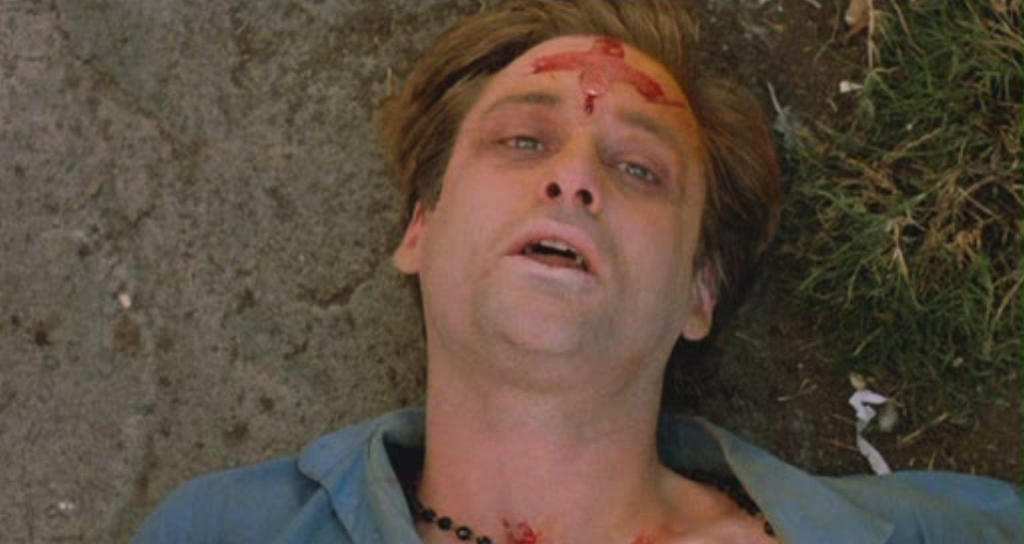
Nominated for four Oscars and starring the suspected real-life wife-killer Robert Blake, this one stays pretty faithful to Truman Capote’s classic non-fiction work about the 1959 murders of the Clutter family in Kansas. It’s another film that uses a stark, documentary-style feel to make the horrific crime as chilling as possible, and Blake and Scott Wilson (who portray the killers) are eerily believable.

ShadowOfTheVampire

5. Shadow of the Vampire (2000)

A sort-of realistic retelling of the making of the 1921 silent classic Nosferatu, this stylish film (directed by E. Elias Merhige, also responsible for the disturbing 1991 silent film Begotten, which I covered here) uses many techniques from the silent film era to great effectiveness. John Malkovich is fantastic as driven director F.W. Murnau, who will stop at nothing to get his vision on celluloid, and Willem Dafoe turns in a skin-crawling performance as Max Schreck, who may just be a REALLY hardcore method actor or may be an actual vampire. Totally meta and wonderful.

Henry

4. Henry: Portrait of a Serial Killer (1986)

Probably one of the most uncomfortable films I’ve ever watched, simply because the crimes are so unflinchingly presented. Michael Rooker is skeezy perfection as real-life drifter and serial killer Henry Lee Lucas, and the scenes of him unemotionally watching videos of his killings with scumbag partner in crime Otis (based on Henry’s real-life sidekick Ottis Toole and played by Tom Towles) are intensely disturbing. One of the ickiest films ever made, but also one of the best.

Zodiac

3. Zodiac (2007)

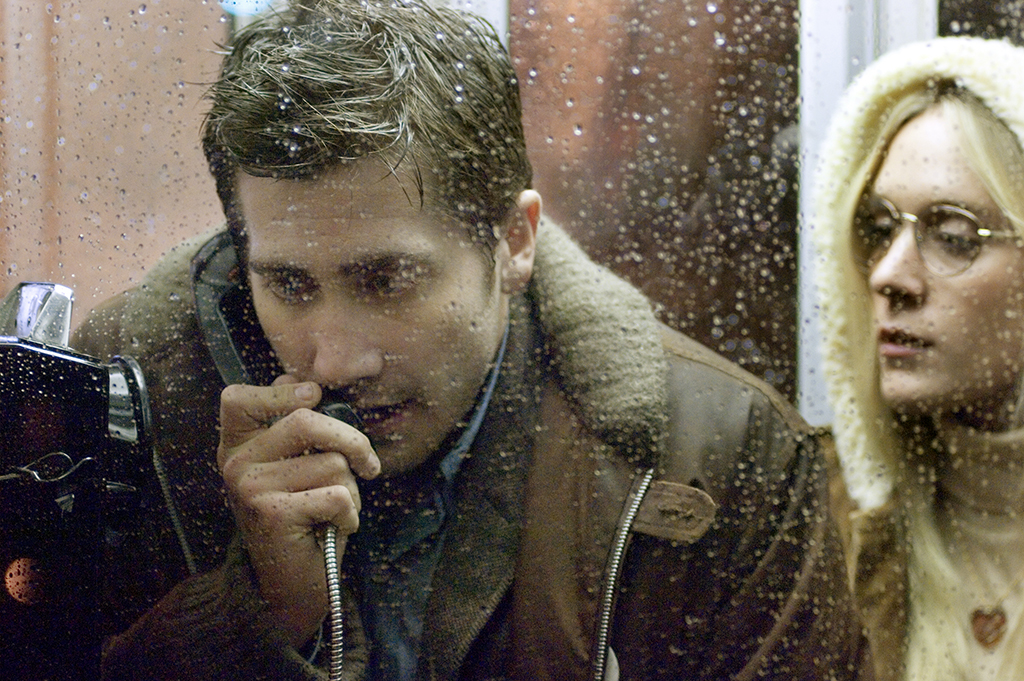
David Fincher’s chilling thriller is based on the famous series of random murders that took place in the San Francisco area in the 60s and 70s. He chose to focus on the police investigation of the case rather than the killer (which I guess he had to, since Zodiac was never caught, heh heh), but that only serves to make the film even creepier, since the identity and motivations of the murderer remain unknown. The scenes of the actual killings are matter-of-fact and completely horrifying, striking from out of the blue and giving the viewer the visceral feeling that no one is safe, ever. Brrrrr.

DeadRingers

2. Dead Ringers (1988)

I’ve written about this film before, as it’s my favorite of all of Cronenberg’s body-horror epics. As disturbing as this movie is, it’s made even more so by the fact that the creepy Mantle twins were based on real dudes, specifically twin gynecologists Stewart and Cyril Marcus, who practiced together in their New York City clinic and were both found dead in the apartment they shared, presumably from barbiturate withdrawal.

Monster

1. Monster (2003)

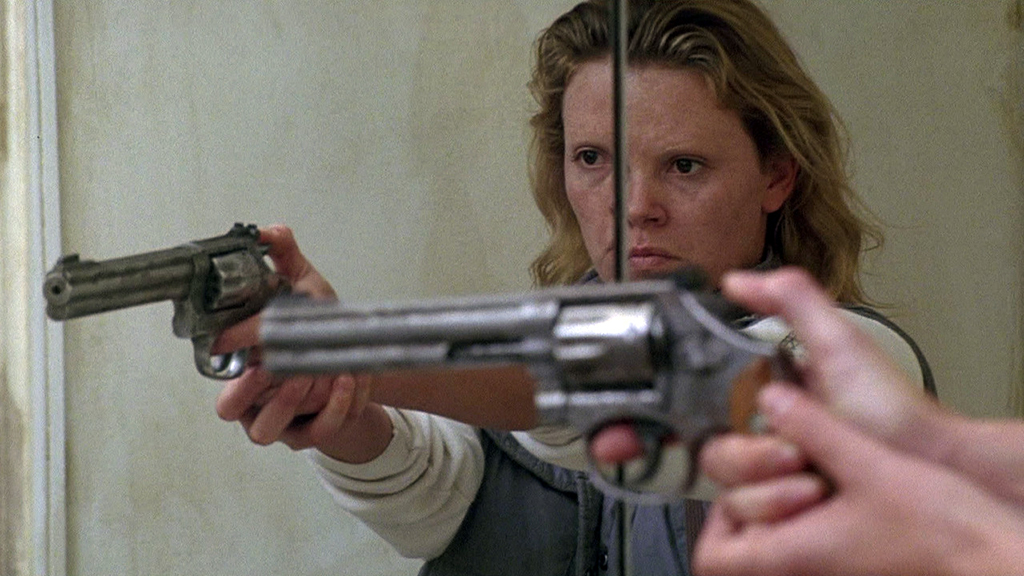
A brutal, gritty take on the crimes and trial of female serial killer Aileen Wuornos, this one is a twisted masterpiece, elevated to classic status by Charlize Theron’s unbelievable turn as Aileen. I saw this in the theater, and had to keep reminding myself that Aileen Wuornos was actually dead and not appearing in this movie; Theron embodied the character in a way I don’t think I’ve ever seen in another film (except maybe for Martin Landau portraying Bela Lugosi in Tim Burton’s Ed Wood). A complex film that dares you to sympathize with its protagonist even as you revile her. Astonishing.

And ten more, just for the hell of it:

The Hills Have Eyes (1977)
Based on a real family of cannibals in 15th-century Scotland, headed by Alexander “Sawney” Bean.

The Elephant Man (1980)
David Lynch’s fictionalized biography of deformed Englishman Joseph Carey Merrick.

Rope (1948)
Based on a 1929 play that was in turn based on the famous 1924 Leopold and Loeb murders.

The Lodger (1944)
Somewhat fictionalized retelling of the Jack the Ripper case, based on a novel by Marie Belloc Lowndes.

Jaws (1975)
Adapted from Peter Benchley’s novel, but inspired by a real 1964 story about fisherman Frank Mundus catching a monster great white shark off the coast of Long Island.

Helter Skelter (1976)
Based on Vincent Bugliosi’s 1974 account of the Charles Manson murders.

The Black Dahlia (2006)
Brian de Palma’s histrionic film was based on the real-life, grisly murder of actress Elizabeth Short in 1947.

Hollywoodland (2006)
More a detective thriller than a horror film, this is a speculative adaptation of the mysteries surrounding the death of Superman actor George Reeves in 1959.

Ed Wood (1994)
Definitely not a horror film, but one of my favorites, this loving film sort-of-accurately eulogizes famed terrible horror and sci-fi film director Edward D. Wood, Jr.

Heavenly Creatures (1994)
Also not a horror film, but a great account of the real 1954 Parker-Holme murder case in New Zealand.

The Goddess’s Favorite Creepy Movie Scenes, or Down in the Mines with Mina

One of the main underlying themes of a lot of these blog posts is an examination of why particular moments in horror film, literature or music made a lasting impression on me while others did not. Why, for example, was I terrified by the bubbling cauldron sound at the beginning of “The Monster Mash”? Or the schlocky scene in My Bloody Valentine where the homicidal miner pops out of the closet with the pickaxe? Or the part in Fright Night where Amy reveals her horribly wide terror-mouth? I still have no idea, but it’s been fun reliving all this stuff from my wayward youth and trying to find some kind of perspective on it, or contemplating the threads that might tie all these disparate things together.

The next scene I want to discuss is another one of those that, for whatever reason, has stuck with me for 35 years, even though I don’t remember much about the rest of the film. The scene itself was only a couple of minutes long, but I can still vividly remember the heart-stopping shudder that traveled through my body the first time I saw it, and further recall how I studiously covered my eyes during the scene on subsequent re-watches of the movie.

Before I get to the main feature, allow me another short commercial break. I still have a Patreon campaign going to fund my writing work, and there are lots of neat rewards just for pledging a few bucks a month, so check it out, won’t you? Thank you. And now back to our regularly scheduled programming.

Seems to me I live my undeath like a candle in the wind.

Seems to me I live my undeath like a candle in the wind.

John Badham’s version of the classic Dracula (1979), starring Frank Langella as the titular Count, came out around the same time as a few other vampire films, notably Werner Herzog’s elegant remake of Nosferatu. Badham’s adaptation wasn’t horribly reviewed, but apparently audiences were experiencing some vampire fatigue, and it only did so-so business at the box office. I was only seven when it was released in theaters, so I didn’t catch it until it ran on television a year or two later; in fact, I’m fairly sure it was the first of the major Dracula film adaptations I ever saw, even before the more-famous Bela Lugosi and Hammer versions.

Like the 1931 Bela Lugosi film, Badham’s Dracula was based on the stage play rather than the novel, and followed a lot of the tropes of the Universal version. For example, Dracula is portrayed as a seductive, romantic figure rather than a ratlike monster as in the book, and the entire first part of the novel (where Harker is kept prisoner in Dracula’s Transylvanian castle) is scuttled, allowing the movie to start with the Count’s arrival on English shores. Something the Badham film does that I thought was odd, though, is that it reverses the characters of Lucy and Mina; Mina is the first one attacked and vampified by Dracula, for example, while Lucy is Harker’s fiancée, and is attacked later but ultimately saved when the vampire is staked. The film also portrays Mina as the daughter of Van Helsing and Lucy as the daughter of Dr. Seward. These changes don’t ruin the story or anything, but they also don’t really add to it, so I’m not sure why they were made. Perhaps because some characters were eliminated for brevity (like poor old Quincey Morris, who hardly ever gets a part in these adaptations), the screenwriter thought it would increase the drama and emotional coherence of the characters to make them all related somehow, but I’m just speculating about that. Still doesn’t explain why Lucy and Mina were reversed, but whatever.

Pictured: Identity crisis.

Pictured: Identity crisis.

As I said, I don’t remember a great deal about the film as a whole; I remember enjoying it, and being quite taken with Langella’s graceful performance as the Count, but even though I saw the movie several times when I was about nine years old, very little of it made a lasting impression. Except for that one, very brief scene.

If my quick Google search is any indication, I’m not the only one that has had this scene burned into my memory for more than three decades. I’m not entirely sure why the scene is so memorable; it could be simply because in the context of the film, it is so shockingly unexpected. This version of Dracula, after all, was marketed more as a supernatural romance than a horror film, and played rather like a staid English parlor drama (with fangs). There was little to no gore that I remember, and nothing that was outright frightening. But then this happens:

The lovely Mina (Jan Francis) has been exsanguinated by the foxy Count one night while her friend Lucy (Kate Nelligan) is out tramping it up with Jonathan (Trevor Eve). It makes me feel weird to even type that, you guys. It’s like they were cheating or something, what with the character reversal and all. Though now that I think about it, how great would a Mina/Lucy catfight scene have been? Anyway. The next morning, Mina is pale and gasping for breath, and dies as a horrified (and guilty) Lucy looks on. Dr. Seward (Donald Pleasance) has no idea what could have killed Mina, and summons Dad Van Helsing (Laurence Olivier) to help solve the mystery.

It’s clearly lupus.

It’s clearly lupus.

No slouch, Van Helsing immediately jumps to the most obvious conclusion, that eine nosferatu is running loose in the vicinity. As an aside, though, this is Van Helsing we’re talking about. He probably blames a vampire every time one of his socks disappears from the washing machine. Sure, he was correct in this case, but even a stopped clock, yadda yadda.

I’m not saying it was vampires. But it was vampires.

I’m not saying it was vampires. But it was vampires.

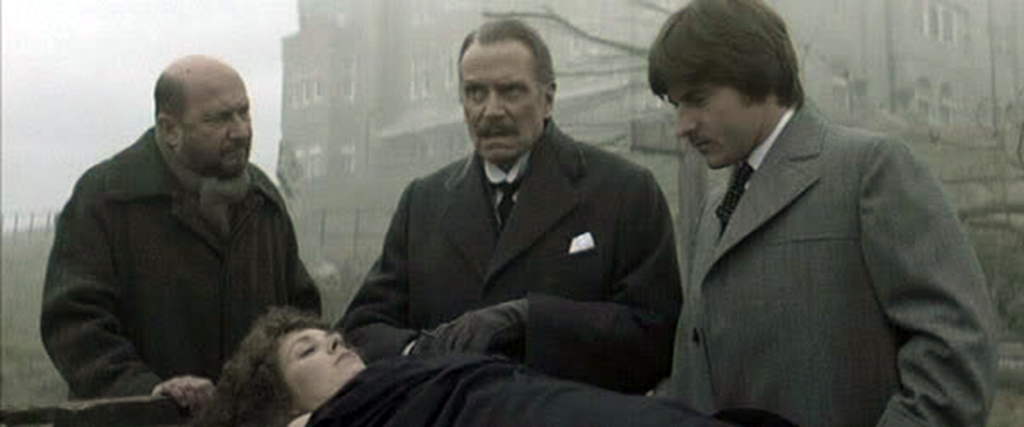
Anyhoo, Seward and Van Helsing visit Mina’s new grave in the cemetery, and find that her coffin is not only empty, but contains a ragged hole where she presumably dug herself out. The hole leads underground into some old mining tunnels, and they crawl down there to investigate, pretty sure of what they’re going to find. As they peer into the darkness, visions of the beautiful Mina probably uppermost in their minds…

Like so.

Like so.

…they begin to hear a shuffling sound coming toward them. They raise their lamps or candles (I can’t exactly remember which, and can’t find the scene on YouTube to check), and there, emerging from the darkness, is this horror, reaching for them and begging for a kiss:

At least she has a good personality. Well, aside from the bloodsucking.

At least she has a good personality. Well, aside from the bloodsucking.

This shit scared me SO BAD, you guys. And in this sense maybe it was a sound storytelling idea to make Mina Van Helsing’s daughter, because the tragedy of the scene is very apparent here, and underscores the horror with great effectiveness. The figure of the undead Mina is terrifying but also heartbreakingly pitiful, and the viewer really feels it when Van Helsing has to put down the monster his daughter has become. The rest of the film isn’t nearly as powerful, but that one scene is a stunner.

Keep watching this space for more of my horror-related wanderings, and news on my upcoming poltergeist book! Until then, Goddess out.

The Goddess’s Favorite Creepy Movie Scenes, or Ankhs for the Memories

I have to admit that, as a rule, I’m kinda over vampires these days. Like all self-respecting darklings, of course, I was all about Anne Rice back in the day, and my first (terrible, unpublished) novel was actually a painfully angsty vampire love story along those same lines. If only I had known that years later, someone would write Twilight and make all the money in the world, I might not have been so quick to shame-toss my manuscript in the garbage, but on such lack of foresight doth the vagaries of fate turn, or something.

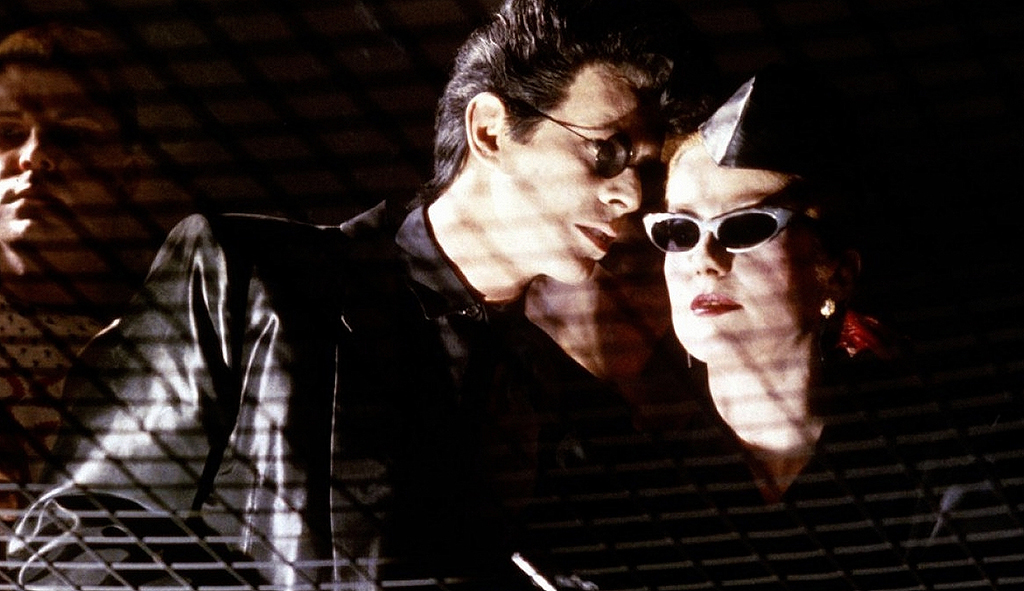
On the other hand, though, as an unrepentant goth chick for nigh on three decades, I’d be lying if I said I couldn’t be seduced by a genuinely great vampire film, especially if it was stylish as fuck, starred three of the best-looking people on the planet at the time, and boasted an opening scene featuring one of my favorite bands performing the grandaddy of all goth-rock anthems. By now you should have guessed that I’m talking about this gothic wet dream right here:

And who will we be having for dinner this evening?

And who will we be having for dinner this evening?

Tony Scott’s The Hunger (loosely based on an okay novel by Whitley “I Was Anal Probed by Extraterrestrials” Strieber) has been dogged by criticisms of style over substance pretty much since its release in 1983, but in my opinion, time has been very kind to it, and I would happily defend it as one of the very best vampire films of the 80s. Not only was it gorgeous to look at and chock full of fantastic acting performances, but it also took the tired vampire schtick and did something fairly original and arty with it (though of course much of the concept of interpreting vampire tropes through the lens of modern genetic science was present in Strieber’s book).

The Hunger is the story of beautiful, centuries-old vampire Miriam Blaylock (Catherine Deneuve) and her understandable but ultimately cruelly selfish quest to find a companion who will be with her forever. Her latest consort, John (David Bowie) has been with her for two hundred years, but John soon learns that Miriam’s promises of eternal youth were a lie when he begins to rapidly age, due to an apparent incompatibility between human and vampire blood that takes centuries to manifest.

Oh, did I neglect to mention that you'd spend eternity as a shambling living corpse? My bad, honey bunch.

Oh, did I neglect to mention that you’d spend eternity as a shambling living corpse? My bad, honey bunch.

John and Miriam enlist the services of cutting-edge gerontologist Dr. Sarah Roberts (Susan Sarandon) in an attempt to reverse the aging process, but all to no avail. After the feeble John kills the couple’s young music student, hoping that her blood will revitalize him, Miriam tenderly carries his still-living but disintegrating carcass into the attic. There she places him in a coffin along with her other former lovers, all of whom are enduring the same living death. It is this aspect of Miriam’s character that makes her monstrous: she is so desperate for companionship that she will strategically neglect to mention that the vampire gift she is bestowing comes with eternal life, yes, but not eternal youth. She will also keep her lovers alive and with her forever, even though they are suffering terribly.

Grief-stricken and lonely after John’s confinement, Miriam then sets her sights on Sarah and begins to groom her as her next companion. The pair exchange blood during a languid, gauzy, and super-hot sex scene, but Sarah discovers soon enough what Miriam’s gift entails. At first she refuses to accept her new blood-drinking nature, preferring to starve herself of the sustaining red stuff, but eventually her willpower fails her and she ends up killing her boyfriend Tom and feeding on him. Miriam thinks that Sarah is now on board with the whole vampire thing, but Sarah’s steely resolve is such that she attempts to cut her own throat with Miriam’s purpose-made ankh pendant rather than spend the next few hundred years at the vampire’s side. The distraught Miriam attempts to save her, but evidently Sarah’s attempted self-sacrifice has rallied the troops, so to speak; all of Miriam’s rotting former lovers rise from their coffins, kill Miriam, and fall to dust upon the floor, finally finding the sweet release of death that they had been denied for so long.

Exactly what about this whole scenario doesn't appeal to you???

Exactly what about this whole scenario doesn’t appeal to you???

There is then an odd coda to the film that doesn’t really make any sense in terms of the story, as we see briefly that Sarah has survived her suicide attempt and is now living as a vampire with a male and female consort of her own. Susan Sarandon has reported that she was not happy with this tacked-on ending, as it negated the whole arc of her character and the point of her rebellion, but there was little she could do about it, since the producers apparently wished to leave the film open-ended in case they wanted to make a sequel down the line (sigh). The scene is only a few seconds long and doesn’t spoil the film, but it is kind of a WTF moment.

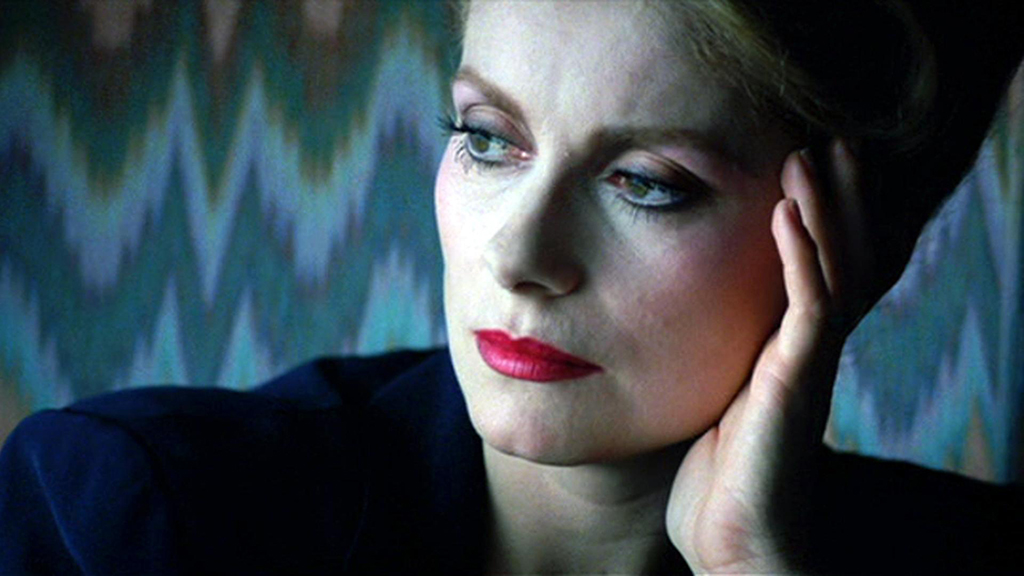
All that aside, though, let me take a moment to rhapsodize about all the great things this film does. Casting the impossibly beautiful and elegant Deneuve as a vampire was a stroke of genius, as her quiet gravitas and cold yet seductive grace lend a sense of timelessness to her portrayal that makes it very easy to believe, not only that she has been alive for millennia, but also that she could easily embody the conflict of genuine loving feeling existing alongside such fiendish cruelty. Susan Sarandon’s character is a perfect counterpoint, a thoroughly modern woman whose pragmatism and independence is the polar opposite of Miriam’s needy heartlessness.

OMG, stop being so pretty.

OMG, stop being so pretty.

Bowie is likewise great as the doomed companion, putting in a restrained and perfectly balanced performance in which the struggle between his deep love for Miriam and his anger at her betrayal of him are readily apparent.

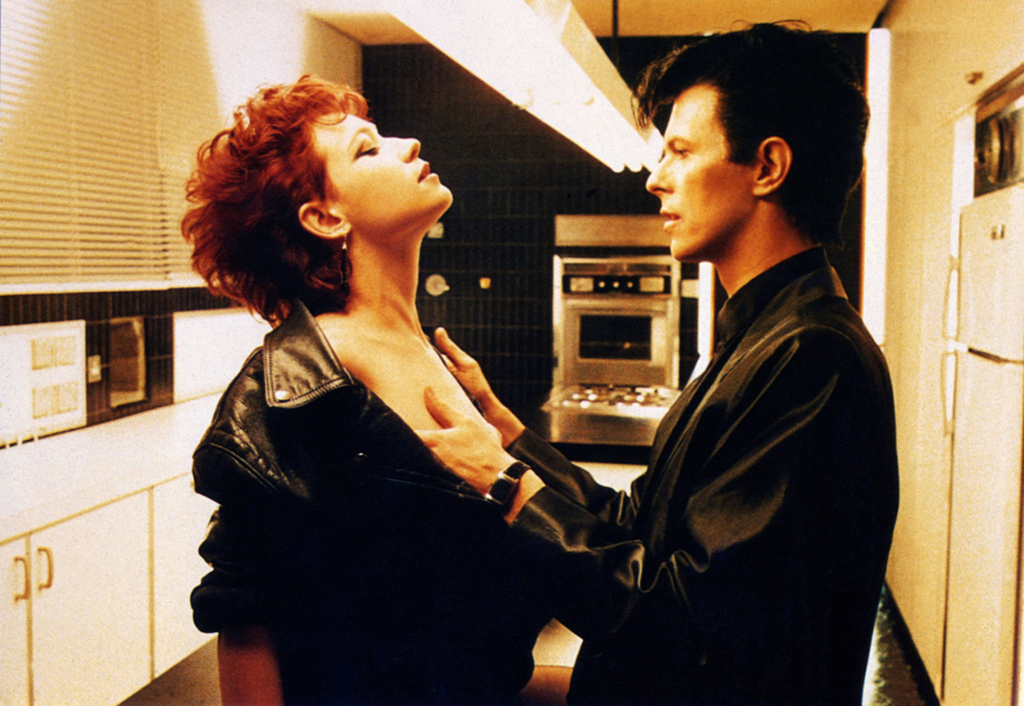
At least Ann Magnuson got to be felt up by David Bowie before her tragic exsanguination.

At least Ann Magnuson got to be felt up by David Bowie before her tragic exsanguination.

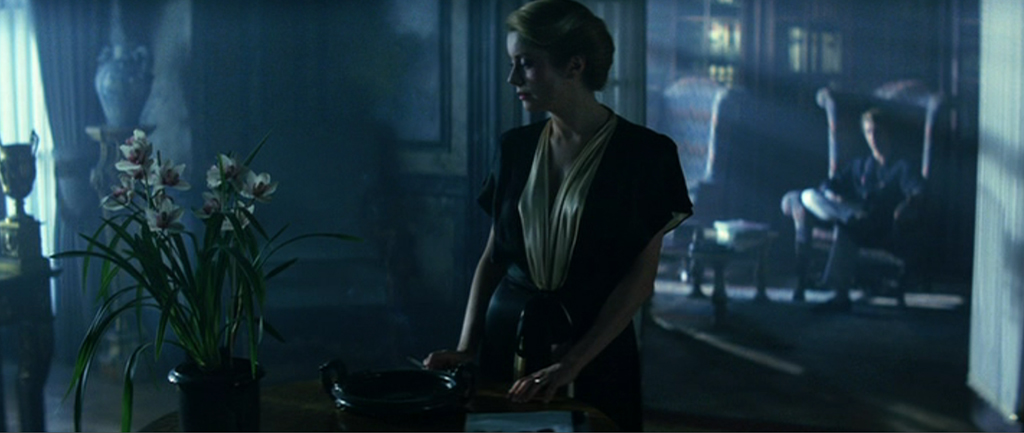
The set design is also gorgeous, soft-focused and romantic, with billowing white curtains, shafts of dim light illuminating flocks of doves, and the spectacularly old-world interiors of the Blaylocks’ tastefully appointed New York townhouse brilliantly contrasted against the sterile environment of Sarah’s medical clinic. I’ve heard many people complain that The Hunger looked more like a music video than a movie, and I understand that assessment, but I feel as though the entire look of the film is a crucial part of its enduring charm. Its aesthetic flair was certainly one of the things that first drew me to it in the 1980s, and to be frank I think it looks even better now that we’ve had more than thirty years’ perspective on it.

Holy shit, I would live in this house so hard.

Holy shit, I would live in this house so hard.

The fact that the film also has such a dynamite opening, with the vampiric Peter Murphy in a cage intoning “Bela Lugosi’s Dead” with his band Bauhaus, is simply the pitch-black icing on the darkly glamorous cake that is this movie.

Undead to the third power.

Undead to the third power.

Unlike many other vampire films of the period, The Hunger is more concerned with artistic visuals and exploring the relationships of the characters than it is with outright horror or gore. That’s not to say that there aren’t some intensely bloody scenes, and the final shots of Miriam’s ancient, skeletal companions rising up against her are fairly horrific, but fans of more in-your-face horror may find the film far too cerebral for their tastes, and that’s as it should be. Different strokes, and all that.

WHATCHOO TALKIN’ ABOUT GODDESS? (SORRY, HAD TO.)

WHATCHOO TALKIN’ ABOUT GODDESS? (SORRY, HAD TO.)

Until next time, Goddess out.
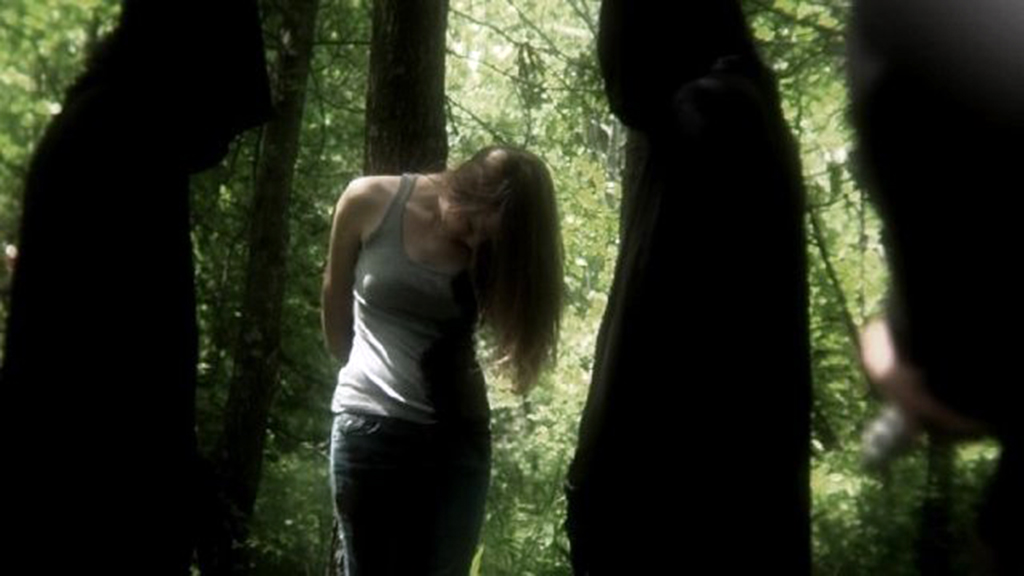
The Goddess Revisits Season Two of “Masters of Horror”

Just as a quick reminder, I’ve put up a Patreon campaign to raise some much-needed funds for my writing endeavors, so take a look if you missed my previous post, and give something if you can, would you? Thank you.

Now, since I went into the specifics of “Masters of Horror” in my previous post about season one, I’m just going to jump right in and begin discussing season two, the rewatch of which I just completed. The quality of the second season of Mick Garris’s generally excellent series was a lot more consistent than the first, in the sense that there were no particularly terrible episodes, but there weren’t really any jaw-dropping, “Imprint”-quality ones either, though many of them were quite good, and all were at least decently watchable.

The season two revisit has been a little more fun for me and has provided a slightly different perspective on the show, since the God of Hellfire became interested in this fucked-up series I was obsessively watching and decided he wanted to watch some of it too. So I’ll be providing a little of his insight on the episodes, when he provided it. And now, onward.

MastersOfHorror2

THE DAMN GOOD

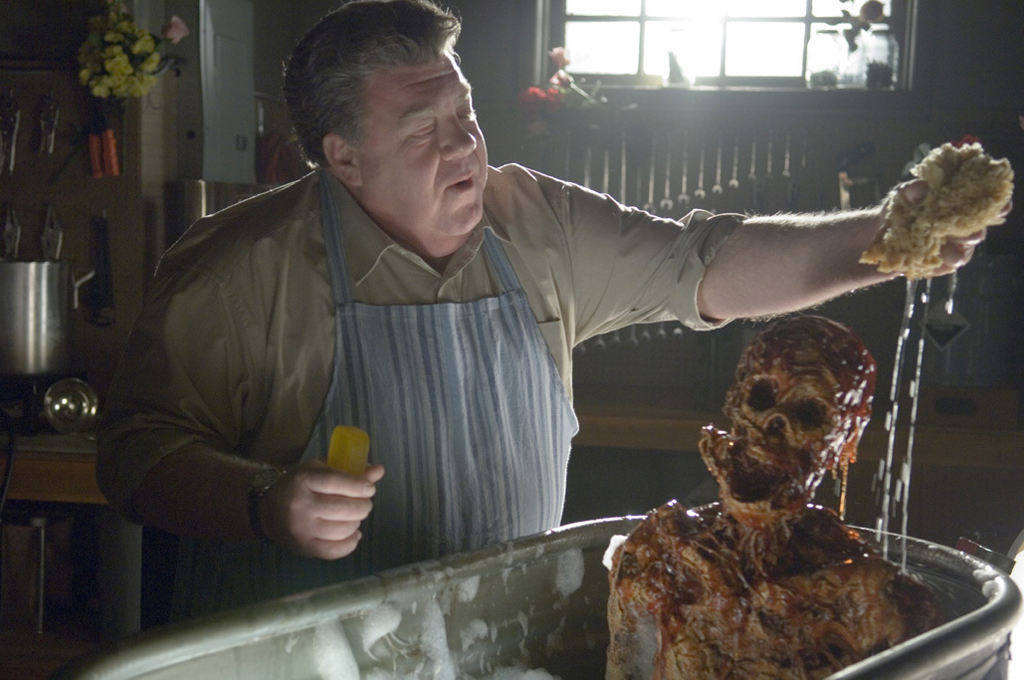
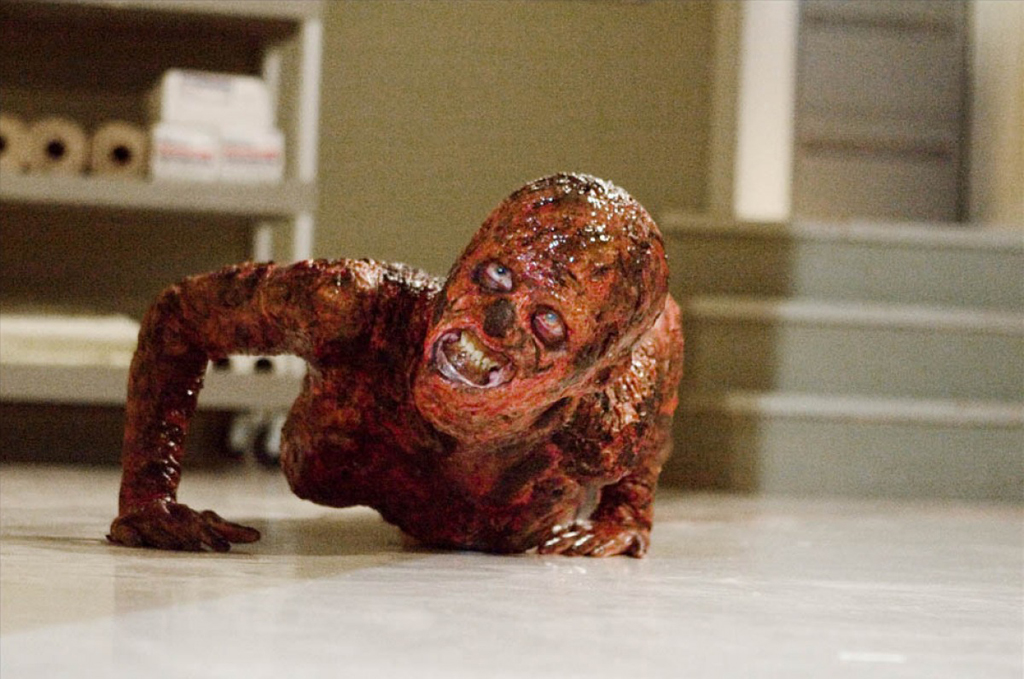
There were two episodes that, for me, stood out as being the best examples of what season two had to offer. The first was “Family,” directed by John Landis and featuring the lovable George Wendt (of “Cheers” fame) playing brilliantly against type as a suburban serial killer and corpse collector. I’m not entirely sure if the concept for this story was at least partly inspired by Miriam Allen deFord’s 1961 short story “A Death in the Family,” which it strongly reminded me of and which was made into an episode of “Night Gallery” back in 1971. John Landis’s “Family” ends up going off in a different direction entirely, though, and has a great twist ending. George Wendt imbues his schlubby, lonely bachelor psychopath with such pathos that it’s hard not to feel bad for him, even while he’s killing little girls and old ladies to deflesh and add to his happy skeletal family. Twisted, tragicomic, and great.

Norm realizes the folly of storing the hydrochloric acid on the shelf right next to the lavender bath oil.

Norm realizes the folly of storing the hydrochloric acid on the shelf right next to the lavender bath oil.

The second standout of season two, the Rob Schmidt-directed “Right To Die,” recalled the furor over the Terri Schiavo case and starred the terrific Martin Donovan, who I’ve been a fan of since his numerous appearances in Hal Hartley’s films in the eighties and nineties. Donovan plays a dentist who has been cheating on his wife with his buxom assistant; shortly after the wife finds out, she and her wayward husband are involved in a terrible car accident in which all of the wife’s skin is burned off. Initially engaging in a legal battle with his mother-in-law for the right to turn off his wife’s life support, Dr. Adulterer soon changes his tune when it comes to light that his wife is now able to open up an enormous can of supernatural scorned-woman whoop-ass whenever she flatlines. Since I’m always down to see a cheater (and worse, as it turns out) get his just desserts, this episode was a satisfying, gory, and somewhat surprising ride.

In an attempt to be edgy, Smokey Bones new barbecue menu took things just a bit too far.

In an attempt to be edgy, Smokey Bones new barbecue menu took things just a bit too far.

THE PRETTY DAMN GOOD

Several of the other episodes, while not quite to the caliber of the aforementioned, were still reliably entertaining. “Sounds Like,” directed by Brad Anderson from a short story by Mike O’Driscoll, was in the words of the GoH “like a really, really good ‘Twilight Zone’ episode,” and recounted the sad tale of a suburban middle-manager type guy who loses his son to a rare heart condition and subsequently develops hypersensitive hearing that eventually drives him insane. Very low-key in the gross-out department, but a nice slow burn of suspense and escalating tension.

“Pro-Life,” John Carpenter’s taut tale of a determined, fifteen-year-old pregnant girl and a demonic battle in a besieged abortion clinic, was also pretty fantastic, with Ron Perlman giving a chilling performance as the girl’s fundie nutbag father. Intense, violent, and genuinely frightening, even if the whole “devil-baby” angle is a touch cheesy.

Dario Argento’s “Pelts” was the Italian maestro’s second contribution to the series, adapted from a short story by F. Paul Wilson. The somewhat ridiculous premise sees a fur trader (played by Meat Loaf!) getting his hands on some beautiful raccoon pelts that magically make everyone who works with them do unbelievably gory things to themselves that mirror what was done to the dead animals. Squicky, over the top (it IS Argento, after all), and lots of fun.

He would do anything for love, including giving you the shirt off his back, or the skin off his torso, or something.

He would do anything for love, including giving you the shirt off his back, or the skin off his torso, or something.

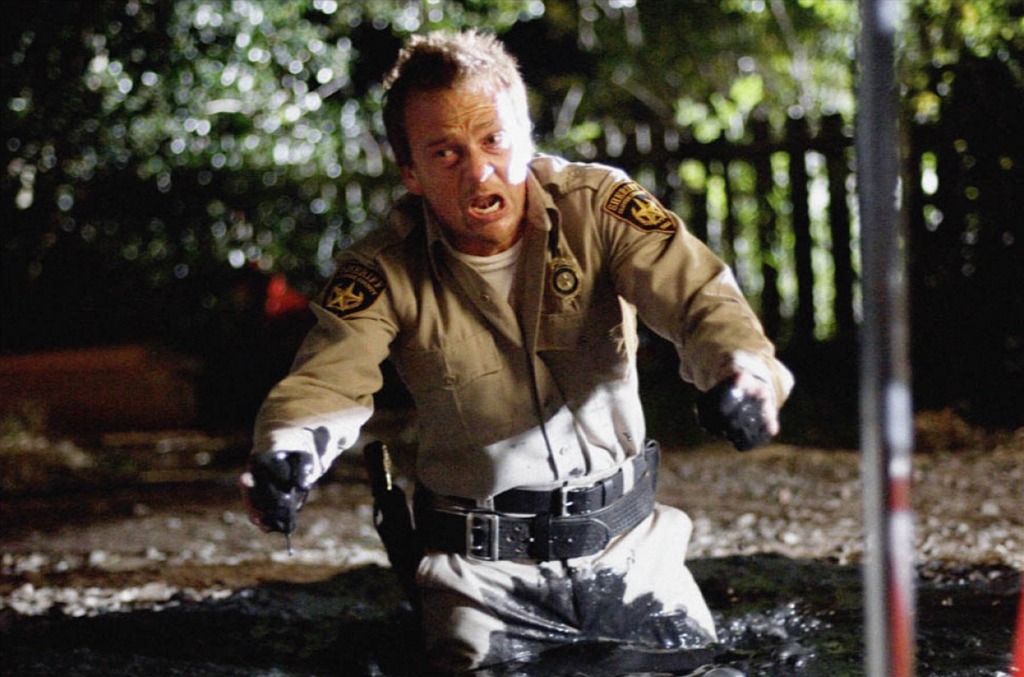
The Joe Dante-directed “Screwfly Solution,” while not nearly as stupidly overblown as his first-season “Homecoming,” still tackled hot-button sociopolitical issues (feminism and male aggression, in this case), but in a far less obnoxious way than his first foray in the series. I thought it was still a bit too glib and a tad on the overly obvious side for my taste, but overall I quite enjoyed it, and the GoH chose it as his favorite episode of season two, so in deference to him I decided to place it in the “pretty damn good” category. The GoH is a big fan of apocalyptic-type scenarios in horror that are just barely plausible, so this tale of an unknown biological agent that ramps up male hostility to the point where the men are killing off all the women on earth, was right up his alley and scared him more than any of the other episodes. Also, SPOILER ALERT, it was aliens all along, and aliens are pretty much the GoH’s favorite thing in the whole wide galaxy, you guys; you don’t even know. I forgot to add that this episode featured both Jason “90210” Priestley AND Elliott “M.A.S.H.” Gould as high-echelon environmental scientists, which is probably something you can’t say about any other movie in history. So there’s that.

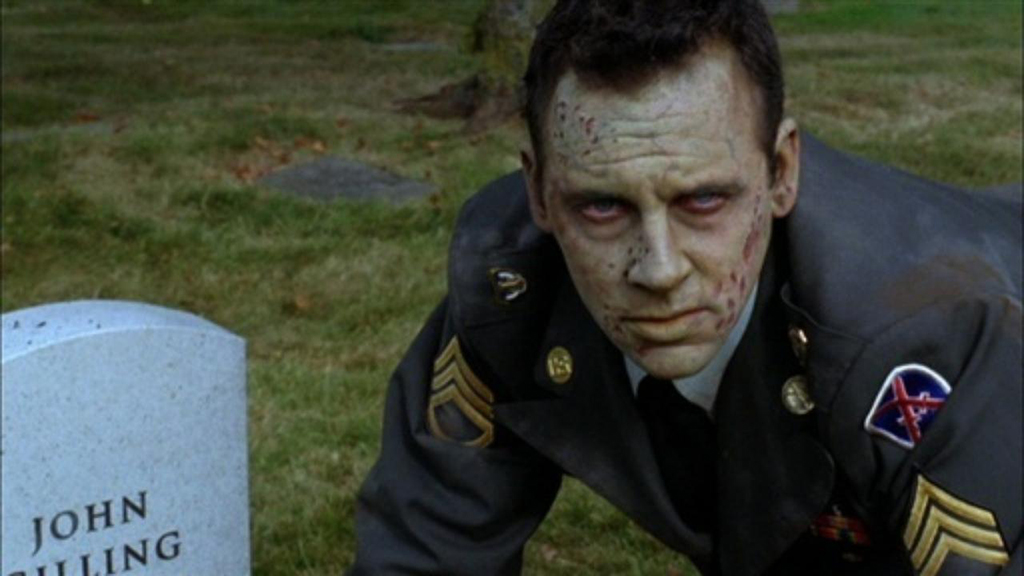
Also decent was “We All Scream for Ice Cream,” directed by Tom Holland from a short story by John Farris (with a teleplay by the great David J. Schow). Bearing shades of Stephen King’s It, this straightforward tale of supernatural revenge sees a mentally-slow but well-liked (and clown-clad) ice cream man “accidentally” killed by some miscreant children. Years later, a sinister ice cream van prowls the small town’s streets at night, seeking to revisit the sins of the fathers upon the sons, as it were. Well-executed and fairly creepy.

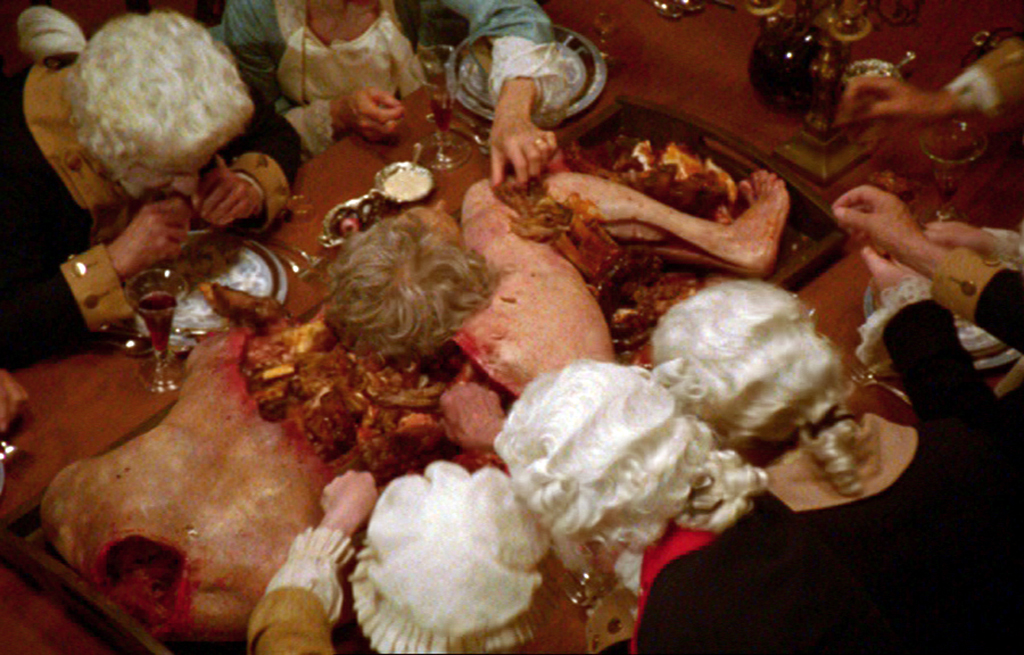
Rounding out the “pretty damn good” category, Stuart Gordon’s adaptation of “The Black Cat” featured Jeffrey Combs as a tormented Edgar Allan Poe living out (or is he?) a couple of his more famous short stories. I thought the ending was something of a cop-out, but I’ll forgive it (this time) because the performances and gore were solid (BAD KITTY!) and the episode as a whole was pretty great, with some brilliant comic touches. Likewise with “The Washingtonians,” directed by Peter Medak from a short story by Bentley Little. The premise was so utterly bizarre, and the execution so overdone and absurd, that it circled all the way around to being awesome again. Intensely gory, and one of the funniest—and easily the wackiest—episodes of the series.

American History Blechs.

American History Blechs.

Also quite good was the final episode, Norio Tsuruta’s “Dream Cruise.” Glacially paced, and pretty standard J-horror all around (complete with long-haired female wraith), but with a story that held a few surprises, lovely cinematography, and a nice creep factor. A worthy end to the series.

THE JUST OKAY AND THE DISAPPOINTING

A few of the episodes, while not bad per se, were just not as good as I was expecting, given the talent involved. As much as I adore the stories of Ambrose Bierce, for example, the Tobe Hooper-directed adaptation of “The Damned Thing” (with a teleplay by Richard Christian Matheson, no less) was not particularly engaging or memorable, making me question the decision to make it the inaugural episode of the second season.

masters-of-horror-serie-tv-s-2-the-damned-thing-04-g

You cursed brat! Look what you’ve done! I’m melting! Melting!

Also a disappointment, and for similar reasons, was “Valerie on the Stairs,” directed by series creator Mick Garris from a terrific short story by Clive Barker. I’m a huge fan of Barker’s stories and novels, but his fantastical creations are somewhat hit or miss when adapted to screen, and this one seemed more miss than hit. Tony “Candy Man” Todd played a fetching demon, and Christopher Lloyd was his pleasingly manic self, but the episode seemed flimsy, slightly repetitive, and a tad silly, with an anticlimactic ending let down by cheesy special effects.

The Mick Garris-directed “The V Word” (and I hate to say it, but Garris was kind of 0 for 3 on his own episodes of the series he created, in my opinion) was not a total waste of time, but not an experience I’d care to revisit, either. The V could have stood for literally anything else—vagina, perhaps, or velveteen, or vivisection, or even Vivian Vance, for fuck’s sake—and I would have enjoyed it more, but since the V stood for “vampire” (oh…those), I was less than enthused, especially when whiny teenage boys were added into the mix. Watchable, but overall, meh.

v_word

Soooooooooooo high.

And thus completes my revisited rundown of “Masters of Horror!” Agree? Disagree? Care to start a virtual fistfight over which were the best episodes? Let me know. Until then, as ever, Goddess out.

The Goddess Revisits Season One of “Masters of Horror”

We’re now in 2015, believe it or not, and jokes about when we can expect to be receiving our hoverboards aside, hopefully it will be a better one than the last. I realize I’ve been neglecting this blog a little, but as with most of you, I was busy over the holidays with just general holiday stuff as well as some of the more personal issues I briefly mentioned in a previous post, and I just never got around to updating this thing as often as I should have. But I’m resolving to do better, and to that end, I’ve decided to do something slightly different with my Favorite Horror Scenes series by discussing the 2005 television show created by Mick Garris, “Masters of Horror” (all episodes of which are available on Hulu for free, if you somehow missed them). This year marks the tenth anniversary of the show’s debut, so it seemed an opportune time for another run-through.

masters_of_horror_wallpaper_1024x768_2

I distinctly remember there being a lot of buzz about this series in the horror community when it was first announced. I mean, these were going to be hour-long, uncensored, hardcore horror films based on stories by H.P. Lovecraft, Richard Matheson, Clive Barker, Joe R. Lansdale! Directed by legends like John Carpenter, Tobe Hooper, Stuart Gordon, Dario Argento! AND IT WAS ALL GONNA BE ON TV, YOU GUYS. Pay TV, sure, but TV nonetheless. There had really never been anything quite like it on television before, and I for one eagerly settled in to watch the moment it was available online.

At the time I enjoyed most of them quite a bit, though I found that ten years later very few of them had made a lasting impression. I had forgotten even some of the better episodes, so it was instructive to watch them all again, and gratifying that many of them were far better than I had remembered.

Just a pale wingless angel taking his eyeless Japanese man out for walkies, no biggie.

Just a pale wingless angel taking his eyeless Japanese man out for walkies, no biggie.

THE GOOD:

Case in point: Episode eight, the John Carpenter-directed “Cigarette Burns.” I hadn’t remembered anything about this episode at all, but on the rewatch it instantly moved into my top three of season one. A great deal of my enthusiasm may be due to the presence of Norman Reedus, who of course in subsequent years went on to megastardom for his role on “The Walking Dead,” but everything in this episode hit the right notes for me this time around. Udo Kier was his wonderful scene-chewing self as a reclusive squintillionaire who hires a man to procure the single remaining print of a mysterious film called La Fin Absolue du Monde, the first and only screening of which ended in madness and murder. There is genuine suspense, an eerie, menacing tone permeating the whole enterprise, and gore galore, including a memorable moment in which Udo Kier’s character threads his own intestines through the projector after his long-awaited viewing of the cursed film. Top notch.

Also very good and worth a mention: The Stuart Gordon-directed “Dreams in the Witch-House,” which very effectively captured the spooky, otherworldly feel of the Lovecraft tale it was based upon. There was also John Landis’s “Deer Woman,” which I remembered disliking the first time around but appreciated much more this time. It’s far more black comedy than straight horror, with a rather absurdist premise based on a Native American legend, but there was plenty of blood, and Brian Benben’s snark-spitting protagonist was hilarious. Lastly, and surprisingly, was Dario Argento’s “Jenifer,” which starred Steven Weber (who also wrote the teleplay, based on a Bruce Jones story). I’ve always been a big Argento fan, but I think we can all agree that his more recent output has been somewhat less than stellar. This episode, though, is quite decent, even though it honestly could have been directed by anyone. It dragged a bit in parts, but the story—about a man being slowly bewitched by a deformed succubus—was suitably disquieting, and the gore was nicely excessive.

The tragic consequence of epic beer goggles.

The tragic consequence of epic beer goggles.

THE BAD:

Episodes I could have done without included, sadly, Mick Garris’s contribution to his own groundbreaking series. “Chocolate” had a flimsy story, lame execution, and just an overall feel of why-bother-ness. Boo. The only other episode I found unforgivable was Joe Dante’s “Homecoming.” Zombies as political satire can be done well, but this came across as so heavy-handed as to be utterly ridiculous, even though I happen to agree with the film’s political stance. Added to that is the fact that the subject matter, current at the time, now comes across as terribly dated and not very relatable. Thea Gill’s ballbusting Ann-Coulter-alike was amusing (and her fate at the end satisfying), but otherwise, damn, tone it down some. You can actually make a point without smashing us upside the head with a wrecking ball, y’know.

He returned from the dead to vote, but the miracle of his resurrection was nothing in the face of Diebold.

He returned from the dead to vote, but the miracle of his resurrection was nothing in the face of Diebold.

THE OKAY:

I enjoyed most of the others, though they didn’t stand out as much as they probably could have. The David J. Schow-written, Larry Cohen-directed “Pick Me Up” was pretty good, with a decent premise (competing serial killers), some genuinely tense scenes, and the always-welcome presence of Fairuza Balk. “Incident On and Off a Mountain Road,” directed by Don Coscarelli from a story by Joe R. Lansdale, was also very watchable and included a fantastic turn by Angus “Tall Man” Scrimm. Lucky McKee’s “Sick Girl” was creepy-crawly fun, with a pleasingly awkward performance by Angela Bettis as a lovelorn lesbian entomologist. The Clive Barker adaptation “Haeckel’s Tale,” directed by John McNaughton, was good, but could have been better given the source material. Same with “Dance of the Dead,” which, given the status of all those involved—story by Richard Matheson, teleplay by Richard Christian Matheson, direction by Tobe Hooper, the appearance of Robert Englund as a depraved club owner— should have been incredible, but instead was just serviceable and somewhat disjointed. “The Fair-Haired Child,” finally, was entertaining but ultimately not all that memorable.

You would tell me if I had something on my forehead, right?

You would tell me if I had something on my forehead, right?

THE AMAZING:

You didn’t actually think I was going to leave this one off, did you? Slated to air as the last episode of season one, Takashi Miike’s “Imprint” was already notorious well before its air date, because Showtime (who carried the series) refused to broadcast it, due to its highly disturbing subject matter and intensely graphic violence. It was released to DVD in the latter part of 2006, and is now available on Hulu as part of the regular series. It’s easy to see why Showtime balked (even though they should have known what to expect from Miike, frankly), but it’s also sort of a shame, because this is the best episode of the series by a mile.

Komomo realized, upon reflection, that bobbing for knitting needles was perhaps not the best idea she'd ever had.

Komomo realized, upon reflection, that bobbing for knitting needles was perhaps not the best idea she’d ever had.

Pretty much the entirety of the story takes place inside a Japanese brothel, where an American journalist (played by Billy Drago) has traveled in search of the great love of his life, a prostitute named Komomo who he had promised to rescue and take back to America. Instead, he finds another prostitute with a disfigured face who tells him the increasingly convoluted tale of what happened to the doomed Komomo. The flashback scenes of Komomo’s torture (for supposedly stealing the madam’s jade ring) are horrific, and even a seasoned horror hound like myself could barely get through them, wincing and turning my head away more than once (and yes, you may call me a weenie all you like, but aaaaaaggggggghhhhhhhhh). Additionally, the deformed girl’s recounting of her own wretched childhood, particularly the scenes of her mother dumping aborted fetuses out of a bucket into a stream, were intensely uncomfortable for me, since I had been through my own abortion only a few weeks prior and was still feeling a little strange about it. At the end of the episode, I felt as though I had been run over by a bus, in a good way, if that makes any sense. The best horror should, after all, shake you out of your complacency, and touch you in places where you’d rather not be touched. “Imprint” succeeded on that score in motherfucking spades. A genius piece of filmmaking, but one I probably won’t watch again for another ten years or so, if ever.

Hopefully you enjoyed this rundown! I’m on the third episode of my season two revisit, so keep watching this space for another fun summary to come. Until then, happy 2015, and Goddess out.